How We Build AI Integration for Little Village
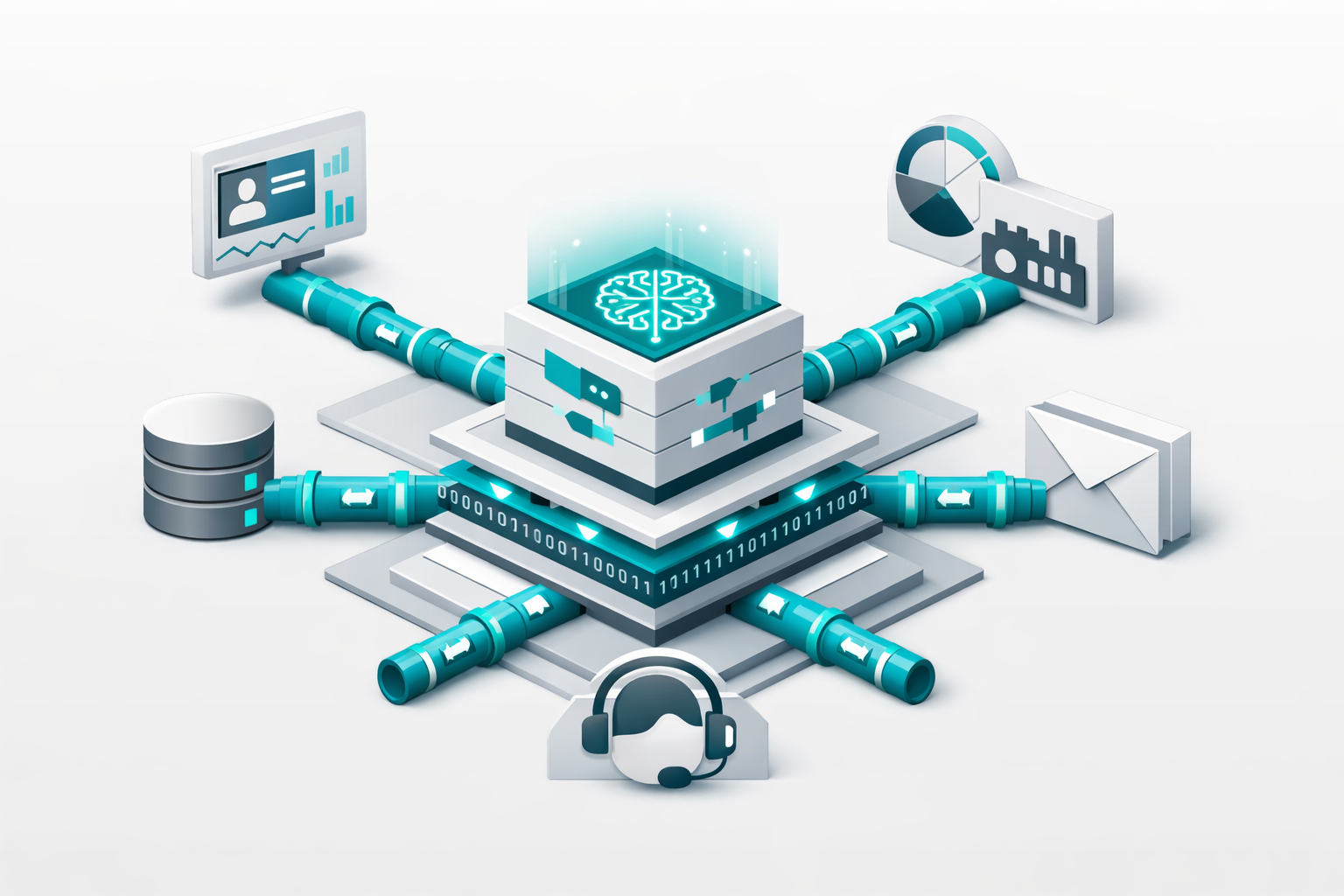
Integration work starts with a technology audit: we document every tool and platform the business uses, how it is used, what data it holds, and what the current manual workflows are between them. Most Little Village businesses have two to four manual handoffs between tools that could be automated, and one to two opportunities to add AI intelligence to existing data flows.
From the audit, we prioritize integration projects by impact: which connections will save the most time, reduce the most errors, or create the most business value. We design the integration architecture, identify the technical approach for each connection (API integration, data export automation, AI plugin, or middleware platform), and review the design with you before building anything.
Implementation is phased: we build and test the highest-priority integrations first, confirm they are working correctly, and then move to the next priority. Each integration is tested against real business data before it goes live. We do not launch integrations that have not been validated against actual use cases. For businesses where bilingual support matters, AI components of the integration are configured to handle Spanish and English inputs appropriately.
Industries We Serve in Little Village
Restaurants and taquerías on 26th Street and Cermak Road benefit from integrations that connect POS data to accounting tools, link delivery platform order data to kitchen display systems, and add AI forecasting to inventory management. A taqueria that integrates its delivery platforms into a single order management system eliminates the tablet-juggling that slows service during peak hours.
Quinceañera and event boutiques near the Little Village Arch manage complex customer journeys with multiple tools: CRM, scheduling, dress ordering, alteration tracking, and payment processing. AI integration connects these tools into a coherent workflow where customer data flows between systems automatically and staff receive alerts when action is needed at each stage of the customer relationship.
Panaderias and specialty food businesses near California Avenue benefit from integrations that connect sales data to production planning, supplier ordering to inventory levels, and customer loyalty programs to marketing automation. A panaderia that automatically sends a holiday bread reminder to customers who ordered last year converts seasonal buyers into annual traditions.
Auto repair shops along Pulaski Road and Kedzie Avenue use multiple tools for scheduling, parts ordering, customer communication, and billing. Integrations that connect these tools reduce the manual data entry that slows service throughput and improve the customer experience by enabling automated appointment reminders and service updates in Spanish and English.
Health and wellness providers near Our Lady of Tepeyac Parish benefit from integrations that connect scheduling tools to patient communication platforms, link clinical documentation to billing systems, and add AI capabilities to patient outreach workflows. Bilingual appointment reminders triggered automatically by the scheduling system reduce no-show rates for Spanish-speaking patient populations.
Retail and specialty shops on 26th Street using POS systems, e-commerce platforms, and customer communication tools benefit from integrations that synchronize inventory across channels, route customer inquiries to the appropriate communication tool, and connect purchase data to marketing automation. A retailer that sells both in-store and online needs inventory and customer data to be consistent across both channels without manual synchronization.
What to Expect Working With Us
1. Technology audit and integration mapping. We document your current tools, identify the manual handoffs between them, and map the highest-value integration opportunities. The audit produces a prioritized integration roadmap that you review before any development begins.
2. Architecture design and review. We design the technical approach for each integration, explain the design in plain language, and confirm the approach matches your business needs and technical constraints before building.
3. Phased implementation and testing. We build and test integrations in priority order, validating each against real business data before moving to the next. Testing includes Spanish-language inputs for businesses with bilingual operations.
4. Documentation and ongoing support. We deliver documentation for every integration, explaining how it works and what to do when something goes wrong. Ongoing support includes monitoring for integration failures and updates when a connected tool changes its interface.