How We Build AI Data Pipelines for Little Village
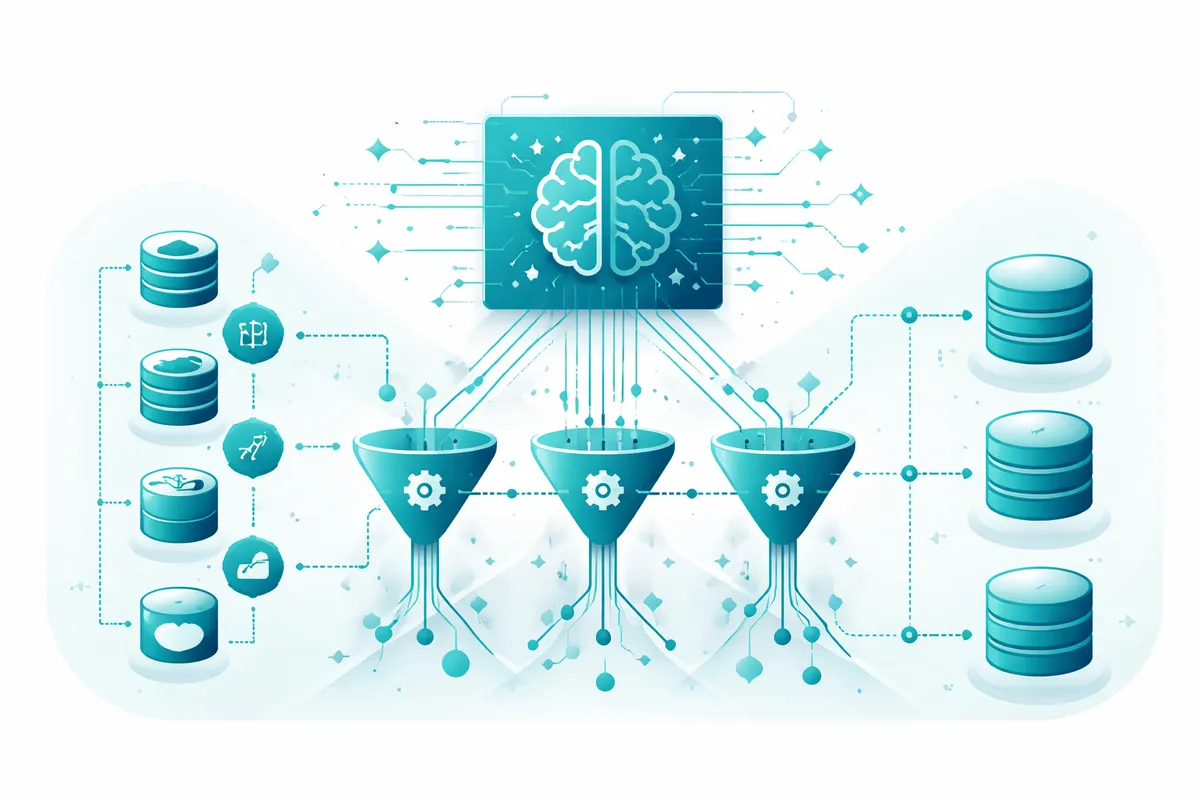
Our data pipeline work starts with a mapping session that identifies every tool and data source the business uses. POS systems, accounting software, delivery platforms, scheduling tools, spreadsheets, supplier portals: we map all of them and identify the data flows that currently require manual work or are simply not happening. Most Little Village businesses have three to five disconnected systems that should be sharing data automatically but are not.
From that map, we design the pipeline architecture: which data moves where, how frequently, in what format, and what transformations are needed to make it useful. For a 26th Street restaurant with three delivery platforms, the pipeline might consolidate order and revenue data from DoorDash, Uber Eats, and Grubhub into a single daily report that also incorporates dine-in POS data. For a retail boutique, it might connect inventory data to sales data to automatically flag low-stock items before they run out.
Implementation uses AI-powered integration tools that can connect systems without custom software development in most cases. We build the pipeline, test it against actual data to confirm accuracy, and then deliver it with documentation that explains how it works and what to do if something breaks. Ongoing monitoring catches failures before they become problems.
Industries We Serve in Little Village
Restaurants and taquerías on 26th Street and Cermak Road using multiple ordering platforms, POS systems, and supplier management tools benefit from pipelines that consolidate sales, cost, and labor data into unified daily and weekly reporting. Owners who previously spent hours reconciling reports receive automated summaries every morning. Discrepancies between expected and actual revenue are flagged automatically.
Panaderias and specialty food businesses near California Avenue managing perishable inventory, daily production schedules, and wholesale and retail channels need data flows that connect production planning to sales data. AI pipelines that automatically adjust tomorrow's production schedule based on today's sell-through rate reduce waste and improve margins on perishable categories.
Carnicerías and grocery businesses on 26th Street with complex inventory across hundreds of SKUs need pipelines that track cost of goods, monitor spoilage, and flag supplier pricing changes. Automated inventory-to-sales reconciliation identifies theft and shrinkage faster than manual counting.
Auto repair and automotive service businesses along Pulaski Road and Kedzie Avenue managing parts inventory, labor scheduling, and customer vehicle history benefit from pipelines that connect those data sources. A pipeline that flags when a commonly-used part is running low based on scheduled service appointments prevents the situation where a part needs to be ordered the same day it is needed.
Quinceañera retailers and event services on 26th Street near the Little Village Arch manage long purchase cycles with multiple touchpoints: inquiry, consultation, measurement, order placement, fitting, and pickup. Data pipelines that track each stage of the customer journey and alert staff to pending actions prevent bookings from falling through the cracks during busy seasons.
Community health practices near Our Lady of Tepeyac Parish handling patient scheduling, billing, and regulatory compliance documentation benefit from pipelines that automate the data movement between clinical systems and administrative tools. Automated reporting for grant compliance and public health requirements reduces the administrative burden on practice staff.
What to Expect Working With Us
1. Systems audit and pipeline mapping. We review every tool and data source in your business and document the data flows that should exist, that currently require manual work, or that are not happening at all. The map becomes the blueprint for pipeline design.
2. Pipeline design and review. We design the data flows, transformations, and output formats before building anything. You review the design and confirm it matches your actual reporting needs before development begins.
3. Build, test, and launch. We build the pipeline, test it against real data over at least one business cycle, and confirm that output matches expectations before live launch. We do not consider a pipeline complete until the output has been validated against your actual business results.
4. Documentation and ongoing monitoring. We deliver documentation that explains how the pipeline works and what to do when something goes wrong. Ongoing monitoring catches pipeline failures before they result in missing data.