How We Build AI Compliance and Governance for Little Village
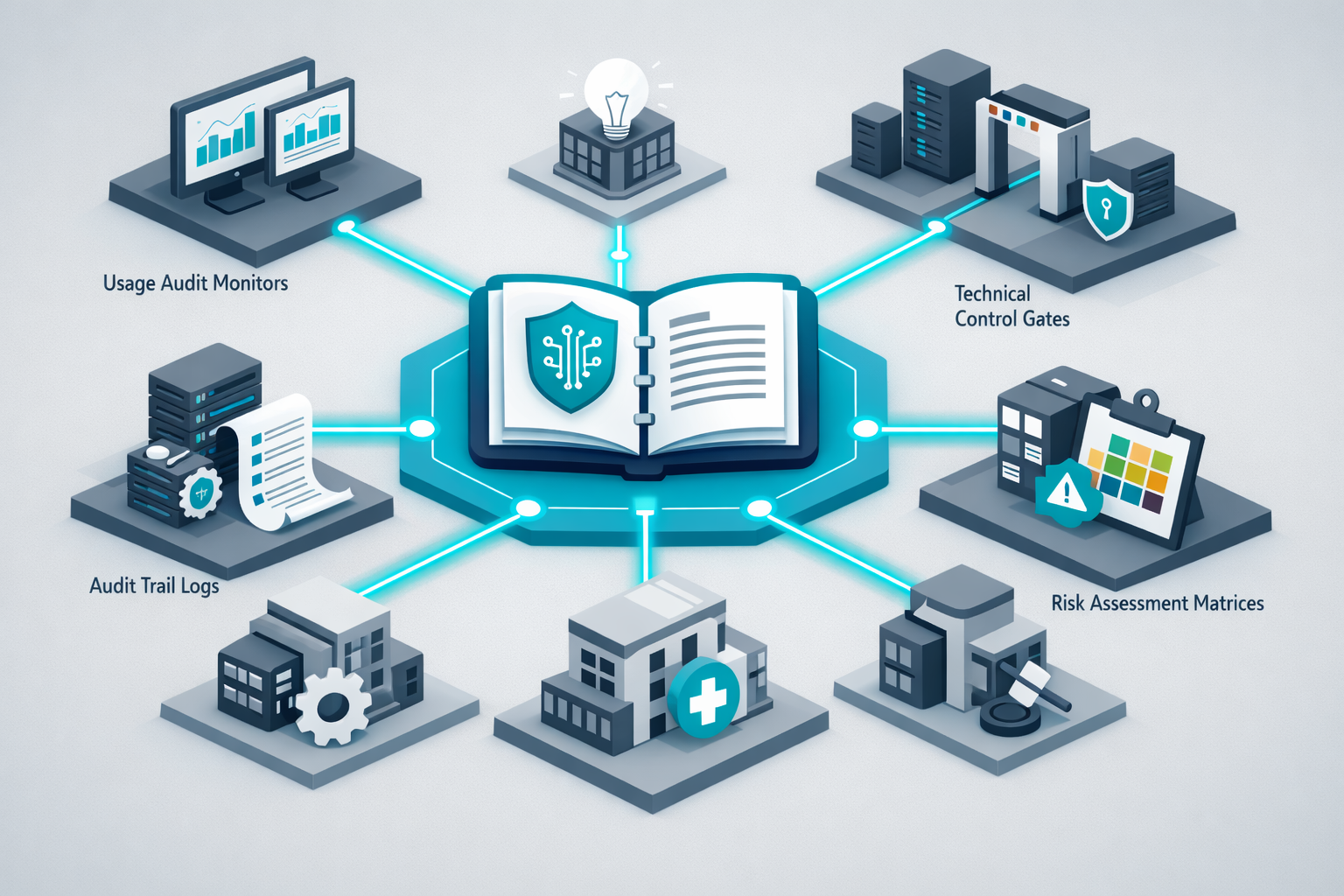
Our compliance and governance work for Little Village businesses starts with a use-case audit. We identify every AI tool in use or under consideration, from point-of-sale analytics to customer chatbots to scheduling automation, and map the compliance requirements that apply to each. For a grocery on 26th Street with a customer loyalty program, that means reviewing data collection practices against Illinois consumer privacy law. For a health services provider near Piotrowski Park, it means HIPAA alignment for any AI tool that touches patient data.
From the audit, we build a governance framework: a documented set of policies that specify how AI tools will be used, who is responsible for oversight, how errors will be identified and corrected, and how customers will be informed about AI in their interactions with the business. Frameworks are produced in Spanish and English so that all staff can engage with them regardless of primary language. For businesses with bilingual customer interactions, we include specific protocols for handling Spanish-language customer data and ensuring that AI tools do not create disparate treatment based on language.
Implementation support includes staff training, documentation for customer-facing disclosure where required by law, and a review process that keeps compliance current as regulations evolve. Illinois AI regulation is actively developing, and frameworks built today need mechanisms for staying current tomorrow.
Industries We Serve in Little Village
Restaurants and food businesses on 26th Street using customer data for loyalty programs, delivery management, and preference tracking need governance frameworks that comply with consumer privacy law while protecting the customer relationships they have built. We build compliance structures for restaurants that match their actual operations, not corporate templates that do not apply to a family taqueria.
Health and wellness providers near Cermak Road and California Avenue operating in Spanish-speaking communities face HIPAA requirements and additional state health data protections. AI tools that support scheduling, patient communication, or treatment documentation require careful governance to remain compliant. We build frameworks for community health practices that reflect both federal and Illinois requirements.
Quinceañera retailers and event services on 26th Street collect detailed customer information about families, events, and purchases. Governance frameworks for these businesses cover data retention, vendor relationships, and customer consent for any marketing automation that uses purchase data to target future communications.
Auto repair and automotive services along Pulaski Road and Kedzie Avenue using AI for appointment scheduling, customer history, and service tracking need data practices that protect customer financial and contact information. We build compliance frameworks that match the specific data environment of automotive service businesses.
Legal and financial services operating in Little Village and serving Spanish-speaking clients handle some of the most sensitive data in any small business context. AI tools in these environments require strict governance covering client confidentiality, data handling, and disclosure obligations under state professional conduct rules.
Retail and specialty shops along 26th Street and California Avenue using AI for inventory management, customer analytics, or marketing automation need baseline consumer data governance that satisfies Illinois requirements and protects customer trust in a community where reputation travels fast.
What to Expect Working With Us
1. Compliance audit and risk mapping. We review every AI tool in use or planned, identify the applicable regulatory requirements, and map the specific risks for your business context. For Little Village businesses, that includes both legal compliance and community trust considerations.
2. Governance framework development. We build a documented policy framework in Spanish and English that covers data collection, use, retention, staff responsibilities, and customer disclosure. The framework is designed for actual implementation by a small business team, not just documentation on a shelf.
3. Staff training and rollout. We train your team on the governance framework, with materials available in Spanish for businesses with Spanish-primary staff. Training covers both the compliance requirements and the practical day-to-day decisions that arise when AI tools are in use.
4. Ongoing review and regulatory monitoring. Illinois AI regulation is evolving. We monitor regulatory changes that affect your compliance posture and update frameworks accordingly, keeping your business current without requiring you to track regulatory developments on your own.