How We Build Workflow Automation for Lincoln Square
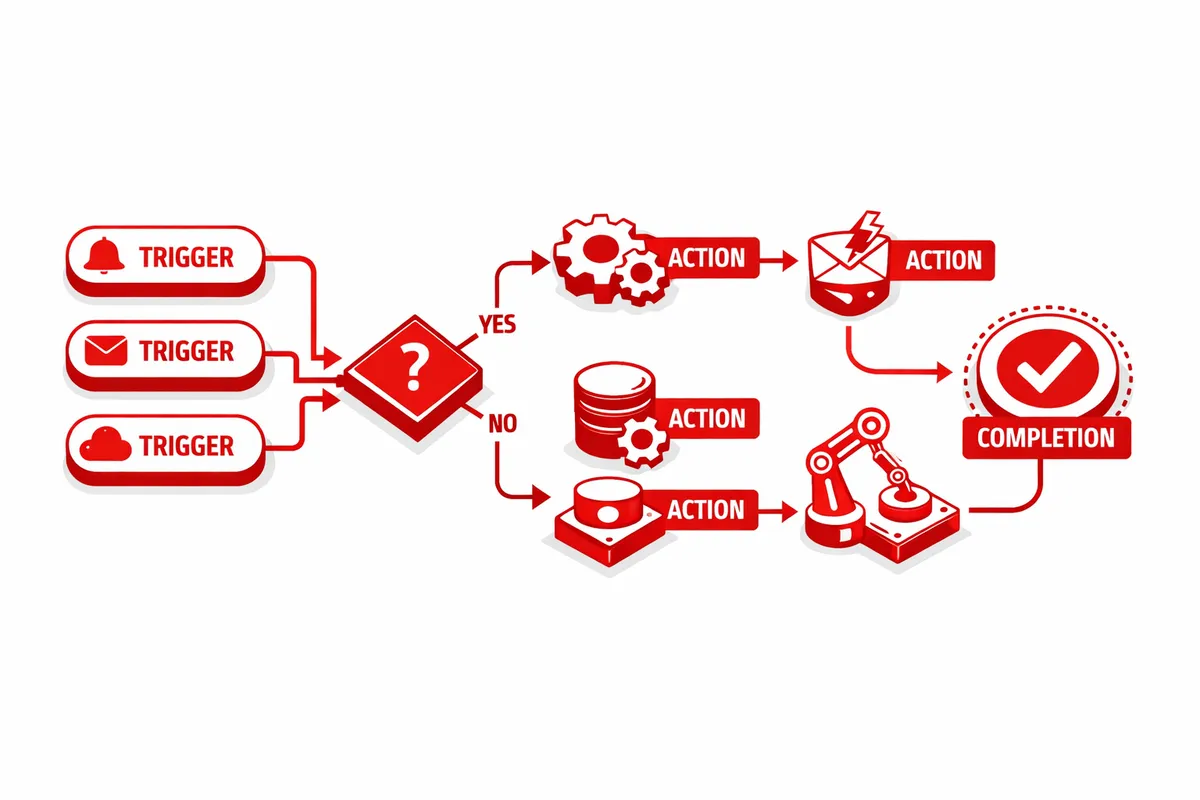
We begin by mapping how work actually flows through your business. Not the ideal version but the real one. We look at every repeating task that happens weekly or more frequently, every manual handoff between tools or between people, and every communication that is being sent by a human when it could be triggered automatically.
From that map we build an automation priority list ranked by time saved, error-reduction potential, and implementation complexity. We look at the tools you already use, whether that is a scheduling platform like Calendly or MindBody, a CRM like HubSpot or even a well-organized spreadsheet, a payment system like Square or Stripe, and an email platform like Mailchimp. Our goal is to automate using what you have rather than requiring a technology overhaul.
Design and build happens in focused two-week sprints. We design each automation workflow, document the logic, build it, test it with real and edge-case data, and document how it works before moving to the next. We do not launch half-finished systems. Each automation is complete, monitored, and documented before it goes live.
Training matters. Your staff need to understand what the automation does and does not handle, how to identify when something has gone wrong, and how to override or update the system when your business changes. We build internal documentation and run a hands-on training session for every workflow we deliver.
Industries We Serve in Lincoln Square
Music schools and performing arts instructors near the Old Town School of Folk Music have highly automatable operations. Enrollment inquiry responses, trial lesson confirmations, recurring lesson reminders, term billing cycles, recital notifications, and year-end re-enrollment sequences are all workflows that can run automatically without sacrificing the relationship quality that families value. We build music school automation suites that cover the full student lifecycle.
Independent restaurants and bakeries on Lincoln Avenue and Leavitt Street benefit from automated reservation confirmation and reminder systems, catering inquiry workflows, birthday and anniversary follow-ups with returning customers, and supplier order cycle reminders. For restaurants running private events, automation handles the confirmation, deposit reminder, and day-before communication sequences without manual intervention.
Fitness and wellness studios near Welles Park have membership lifecycle automations that are particularly high-value: trial class follow-ups, new member onboarding sequences, attendance-triggered check-ins for members who have not visited in two weeks, membership renewal reminders, and payment failure recovery sequences. These workflows directly affect retention, which is the most important revenue driver for studios.
Home goods and specialty retailers on Lincoln Avenue and Damen Avenue benefit from inventory reorder alerts, vendor communication sequences, customer follow-up messages for high-value purchases, and seasonal promotion deployment automations. For retailers managing online alongside in-store sales, order confirmation and shipping notification workflows are critical.
Bookstores and specialty shops in Lincoln Square benefit from new release notification sequences for customers with established genre preferences, event registration and reminder workflows, and follow-up communications after in-store events like author readings or book clubs.
Service businesses and home professionals serving Lincoln Square families benefit from the automation of the full service inquiry-to-booking workflow: inquiry response, consultation scheduling, pre-appointment reminders, post-service follow-up for reviews, and recurring service reminder sequences. For home service professionals building a Lincoln Square client base, these automations create the consistent communication cadence that generates referrals.
What to Expect Working With Us
1. Process Mapping Audit We document your current operational workflows, identify automation opportunities, estimate time savings per week, and present a prioritized implementation plan. You approve the plan before any build work begins.
2. Build and Testing We build each automation in a two-week sprint cycle, test it with both ideal-path and edge-case scenarios, and document the logic and maintenance procedures. Nothing goes live until it passes testing.
3. Training and Handoff We walk through every automation with your team, explain how to monitor and maintain it, and provide written reference documentation. You understand your own systems.
4. Ongoing Support and Expansion For clients on support plans, we monitor automations for failures, update workflows when your business processes change, and continue adding new automations as you identify opportunities. Most Lincoln Square businesses expand their automation footprint significantly in year two.