How We Build Predictive Analytics for Lincoln Square
The foundation is historical data collection and cleaning. For most Lincoln Square businesses, the relevant historical data exists in point-of-sale systems, booking platforms, and email marketing tools but has never been systematically analyzed. We extract, clean, and structure this data to form the training foundation for predictive models. The quality of historical data determines the quality of predictions, so this foundational work is the most important step.
We identify the specific prediction targets that matter most for your Lincoln Square business. A restaurant's highest-value prediction targets are daily and weekly revenue, by day-part and category. A music school's highest-value targets are enrollment by program type and semester, and student retention probability by cohort. A wellness studio's highest-value targets are membership renewal probability by member segment and class attendance by format and timing. We build models for the specific predictions that change your highest-stakes decisions.
Model development follows the data foundation. We build statistical and machine learning models appropriate to your data volume and the complexity of the patterns being predicted. For a Lincoln Square bakery with two years of daily sales data, a time-series forecasting model is appropriate. For a music school with five years of enrollment records, a segmented regression model that accounts for program type, semester timing, and marketing channel is more appropriate. The right model for your business is the one that fits your data, not the most technically impressive option.
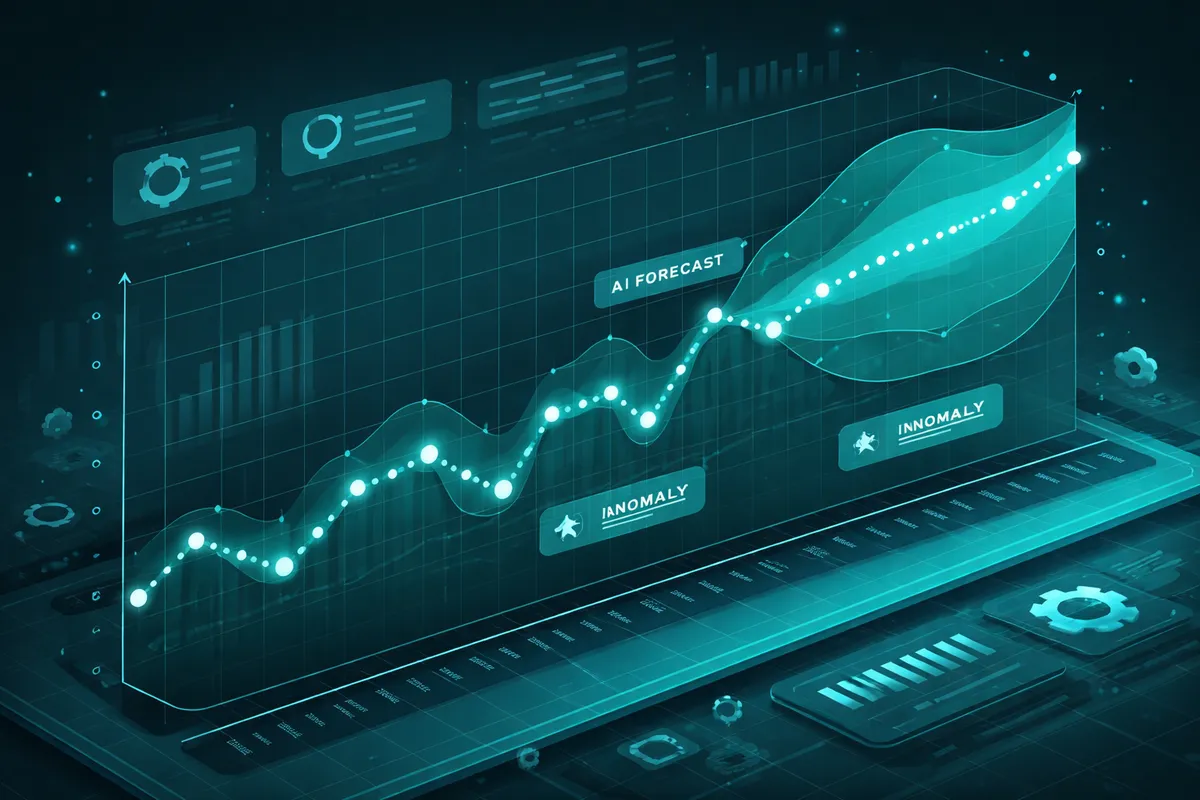
Model outputs are delivered through dashboards and reports designed for non-technical business owners. A restaurant owner on Lincoln Avenue should see a weekly revenue forecast displayed as a clear number with a confidence range, not a statistical model output. A music school administrator near Old Town School of Folk Music should see enrollment forecasts by program as a simple projection table, updated automatically as the enrollment period progresses. We design outputs for decision support, not for data science review.
Industries We Serve in Lincoln Square
Restaurants and food businesses along Lincoln Avenue and near Giddings Plaza use predictive analytics for daily and weekly demand forecasting, seasonal revenue modeling, and ingredient and staffing planning. A restaurant with accurate day-part revenue forecasts reduces both food waste from overproduction and revenue loss from underpreparation. Oktoberfest season planning based on predictive models rather than last year's memory produces more reliable outcomes year over year.
Music schools and performing arts programs near Old Town School of Folk Music use predictive analytics for enrollment season forecasting, program-level demand modeling, and student retention prediction. An enrollment forecast that projects fall semester enrollment by program type and level, produced in June, gives school leadership time to adjust instructor hiring, space planning, and marketing emphasis before the enrollment window opens.
Wellness and fitness studios near Western Avenue and Montrose Avenue use predictive analytics for membership retention modeling, class attendance forecasting, and seasonal revenue planning. A wellness studio that identifies members with declining visit frequency two months before their renewal date can intervene with a targeted re-engagement campaign that saves memberships that would otherwise cancel. Reactive retention is expensive. Predictive retention is efficient.
Specialty retailers and boutiques on Damen Avenue, Leavitt Street, and Lincoln Avenue use predictive analytics for inventory planning, seasonal demand modeling, and the identification of product categories with growing versus declining customer interest. A gift shop near Giddings Plaza that builds its fall inventory order on a predictive model that accounts for the Lincoln Square neighborhood's gift-giving patterns around Maifest and the holiday season carries less overstock than one ordering by instinct.
Professional services firms on Lawrence Avenue and throughout the Lincoln Square commercial area use predictive analytics for revenue forecasting, client retention prediction, and demand modeling for specific service types. A small law firm or accounting practice with accurate annual revenue forecasting makes better staffing and overhead decisions than one managing month-to-month.
Nonprofits and community organizations near Welles Park use predictive analytics for donor retention modeling, fundraising campaign outcome forecasting, and program enrollment prediction. A Lincoln Square nonprofit with accurate donor retention models allocates its limited development staff time to the donor segments most at risk of lapse rather than treating all lapsed donors identically.
What to Expect Working With Us
1. Data audit and model scoping. We assess your existing historical data, identify the prediction targets with the highest business value for your Lincoln Square business, and scope the predictive models appropriate to your data quality and volume. This phase takes two to three weeks and produces a clear specification before any model development begins.
2. Data preparation and model development. We clean and structure your historical data, build the predictive models, and validate their accuracy against held-out historical data before deploying them to production. Build time varies by complexity: a single-model demand forecast for a restaurant takes four to six weeks; a multi-model system for a music school enrollment operation takes eight to twelve weeks.
3. Dashboard and report configuration. We configure the reporting interfaces that deliver model outputs in the decision-support formats your Lincoln Square business team will actually use. Outputs are designed for daily or weekly review by non-technical business owners, not for data science analysis.
4. Ongoing model monitoring and refinement. Predictive models require monitoring and periodic retraining as business conditions change. We schedule quarterly model reviews to assess forecast accuracy, identify drift from the original training data, and update models as your Lincoln Square business accumulates more historical data.