How We Build Multi-Agent Systems for Lincoln Square
The design process begins with a complete workflow mapping exercise. We document every operational workflow your Lincoln Square business runs: the exact sequence of steps, the decision points, the data inputs and outputs, the human touchpoints, and the current handoff failures that create friction and lost work. This mapping is the foundation for the multi-agent architecture. An agent cannot be designed until the workflow it coordinates is fully understood.
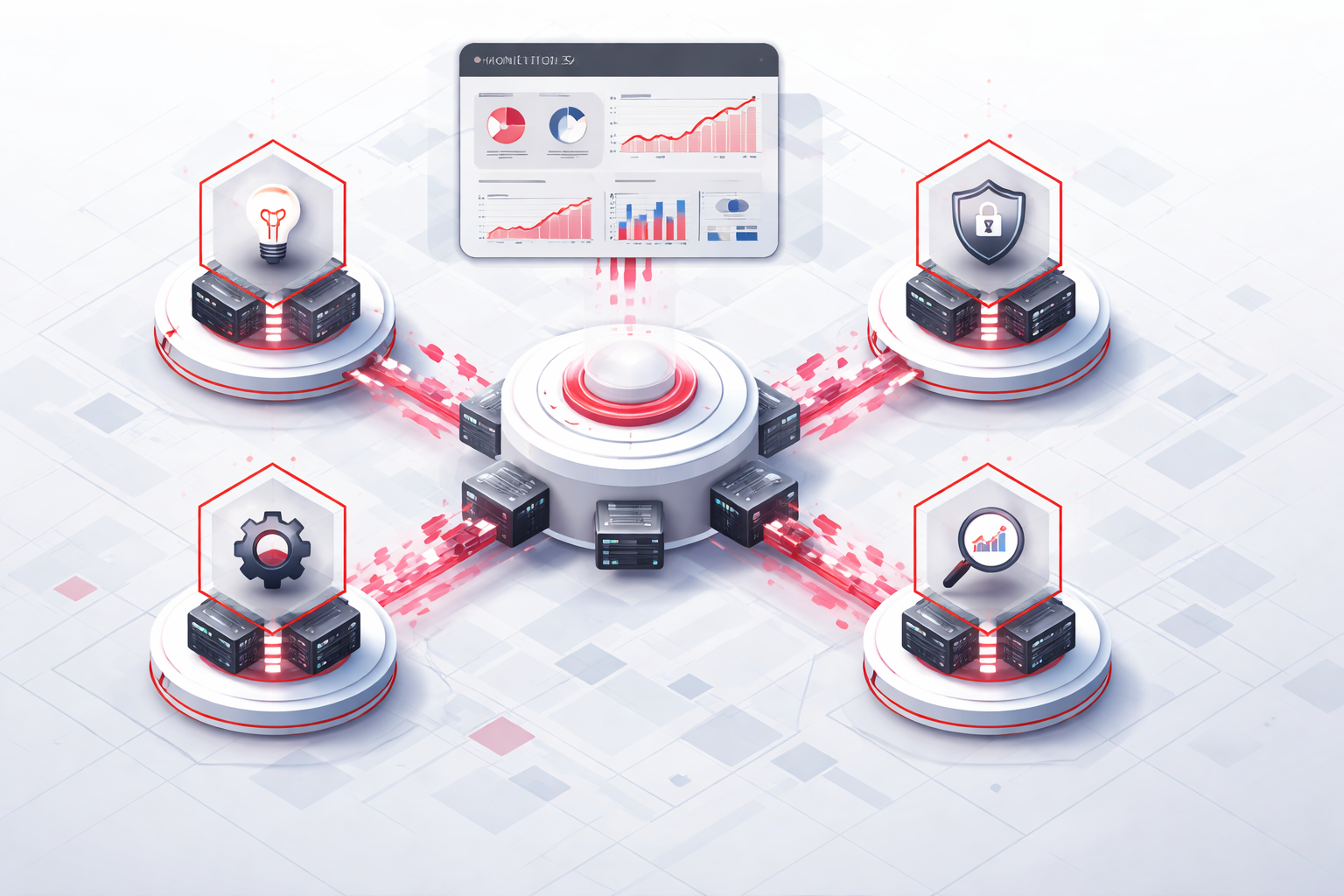
From the workflow map, we design the agent architecture: which agents handle which tasks, what data each agent receives and produces, how the orchestrator routes tasks and manages dependencies, and where human approval or judgment remains in the workflow. For a music school, the agent architecture might include an inquiry intake agent, a scheduling and matching agent, a parent communication agent, a billing setup agent, and an orchestrator that coordinates all four. For a restaurant event operation, it might include an event intake agent, a proposal generation agent, a contract processing agent, a kitchen briefing agent, and a follow-up agent.
We build using tools and infrastructure appropriate to the scale and technical environment of your Lincoln Square business. Multi-agent systems for a seven-person music school look different from multi-agent systems for a twenty-seat restaurant group. We right-size the architecture to your actual operational complexity and budget, without over-engineering for complexity you do not need.
Testing is extensive before any agent touches a live customer interaction. We run the full system through simulated workflow scenarios, identify failure points and edge cases, and ensure that escalation to human staff is smooth and fast when an agent encounters a situation outside its design parameters.
Industries We Serve in Lincoln Square
Music schools and performing arts organizations near Old Town School of Folk Music are among the Lincoln Square businesses most naturally suited to multi-agent orchestration. Enrollment season operations, with simultaneous management of hundreds of inquiry-to-enrollment journeys, are exactly the kind of parallel complex workflow that multi-agent systems handle well. An orchestrated system handles inquiry intake, trial lesson scheduling, instructor matching, enrollment confirmation, parent onboarding, and billing setup in parallel across all active prospects, without the coordinator needing to manage each case individually.
Restaurants and catering operations along Lincoln Avenue and near Giddings Plaza use multi-agent systems to coordinate private event workflows from initial inquiry through post-event follow-up. The private event pipeline involves multiple departments, long time horizons, and complex communication coordination that is expensive to manage manually. A well-designed agent system handles the coordination automatically, reducing event coordinator time by forty to sixty percent on logistics and administration.
Wellness studios and fitness businesses near Western Avenue and Montrose Avenue with multiple instructors, class types, and client segments use multi-agent systems to coordinate member communication, class scheduling optimization, instructor briefing, and retention workflows simultaneously. A Pilates studio with twelve instructors, five class formats, and three membership tiers runs a more complex operation than a single automation tool can coordinate effectively.
Professional services firms on Lawrence Avenue serving corporate and family clients use multi-agent systems for client intake orchestration, document collection and processing workflows, deadline management communication, and internal work routing. A law firm handling multiple matter types simultaneously benefits from orchestrated agents that manage client communication and internal task routing without partner time on coordination.
Independent retailers with e-commerce and physical presence along Damen Avenue and Lincoln Avenue use multi-agent systems to coordinate inventory management, customer communication, order fulfillment, and return processing across both channels. The coordination between physical store inventory and online listing accuracy is a pain point that multi-agent orchestration addresses effectively.
Event venues and community spaces near Giddings Plaza use multi-agent systems for booking management, vendor coordination, client communication, and day-of logistics across simultaneous events. A venue that hosts multiple events per week across different client types benefits from automated coordination that ensures each event's requirements are tracked and communicated without manual management of each booking independently.
What to Expect Working With Us
1. Workflow mapping and agent architecture design. We document your Lincoln Square business's operational workflows, identify coordination failures and friction points, and design the multi-agent architecture that addresses them. This phase takes three to five weeks and produces a blueprint that guides everything downstream.
2. Agent build and integration. We build each agent in the system, configure the orchestrator logic, and integrate with your existing scheduling, billing, communication, and data systems. Build time for a full multi-agent system typically runs six to twelve weeks depending on workflow complexity.
3. Simulation testing and refinement. We run extensive simulated workflow testing before any agent handles a live customer interaction. We identify edge cases, failure modes, and escalation scenarios, and configure appropriate handling for each. The system only goes live when it has demonstrated reliable performance across the full range of your Lincoln Square business's operational scenarios.
4. Monitored launch and optimization. We monitor the live system through the first sixty days of operation, adjust agent behavior based on real workflow data, and optimize coordination logic as patterns emerge. Quarterly reviews assess whether the agent architecture needs to evolve as your business grows.