How We Build APIs for Lincoln Square
We start with a technical requirements discovery. We document the specific systems that need to connect, the data that needs to move between them, the frequency and timing of those data transfers, and the error handling requirements when something goes wrong in the integration. This phase produces the API specification that governs everything built afterward.
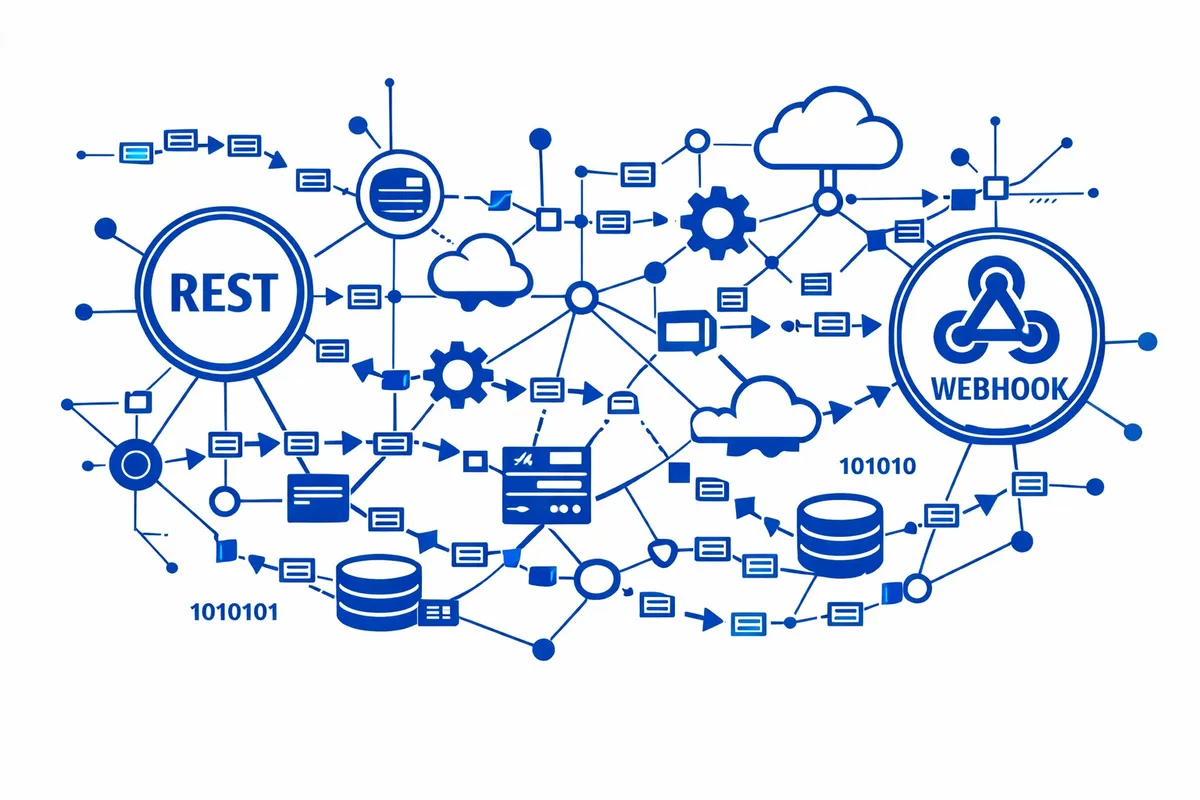
We design the API architecture appropriate for the use case. A simple webhook that fires on a single event is different from a full RESTful API with multiple endpoints, authentication, rate limiting, and versioning. We build what the actual requirement needs rather than over-engineering or under-building.
We develop the API in the technology stack appropriate for your environment. For most Lincoln Square small business integrations, this means Node.js or Python with standard REST patterns, hosted on infrastructure that provides appropriate reliability and security for the data being transmitted. We implement authentication, logging, and error alerting from the start rather than adding these as afterthoughts.
We test the integration against real data flows, including the edge cases and error conditions that occur in actual business operations. A restaurant's order API needs to handle duplicate orders, partial cancellations, and payment timing edge cases. A music school's enrollment API needs to handle mid-semester joins, family multi-student accounts, and payment plan variations. We test for these before deployment.
We document the API completely: endpoint specifications, authentication requirements, example requests and responses, error codes, and rate limits. This documentation is necessary for any future maintenance or extension of the integration.
Industries We Serve in Lincoln Square
Independent restaurants and food businesses on Lincoln Avenue and Lawrence Avenue need APIs that connect online ordering platforms to POS systems, link POS data to accounting tools, and feed customer order history to email marketing platforms. Custom API development eliminates the manual export and import cycles that currently occupy staff time between these systems.
Music schools and arts education businesses near the Old Town School of Folk Music use APIs to connect enrollment management platforms to accounting systems, sync student scheduling data with instructor calendars, and feed enrollment status changes to parent communication systems. The operational data flows in a music school involve multiple stakeholders and systems that need to stay current.
Fitness and wellness studios on Western Avenue use APIs to connect class booking platforms to CRM tools, sync membership status changes to email marketing, and link attendance data to the retention analysis tools that identify members at risk of cancellation. Real-time data accuracy across these systems is what makes the retention programs work.
Specialty retail and e-commerce businesses along Lincoln Avenue and Damen Avenue use APIs to connect e-commerce platforms to inventory management systems, sync product data between physical and online channels, and feed customer purchase data to loyalty and email marketing platforms. Multi-channel retail requires data accuracy across every channel simultaneously.
Professional service businesses operating in Lincoln Square use APIs to connect project management tools to billing systems, sync client onboarding data from intake forms to CRM, and automate the document generation workflows that currently require manual data entry at each step.
Event businesses and cultural venues near Welles Park and Giddings Plaza use APIs to connect ticketing platforms to email marketing tools, sync event registration data to CRM, and feed attendance data to the reporting systems that track event performance over time.
What to Expect Working With Us
1. Technical requirements discovery. We document the specific systems, data flows, and business requirements that define what the API needs to do. We identify the authentication and security requirements for each system involved, map the data structures that need to be transformed between systems, and define the error handling and monitoring requirements.
2. API design and specification. We produce a technical specification for the API: endpoint structure, request and response formats, authentication mechanism, rate limiting approach, and error response structure. We review this specification with you before writing a line of code, ensuring that what we build matches what your business actually needs.
3. Development, testing, and deployment. We develop the API to the agreed specification, test against real data flows including edge cases, and deploy to production infrastructure with appropriate monitoring and alerting. We document the deployment configuration so that any future maintenance can be performed without requiring full re-discovery.
4. Documentation and handoff. We deliver complete API documentation, including endpoint specifications, authentication setup instructions, example code for common use cases, and a monitoring dashboard that shows API health and error rates. We provide ninety days of post-deployment support to address any issues that emerge in production operation.