How We Build ADA Compliance for Lincoln Square
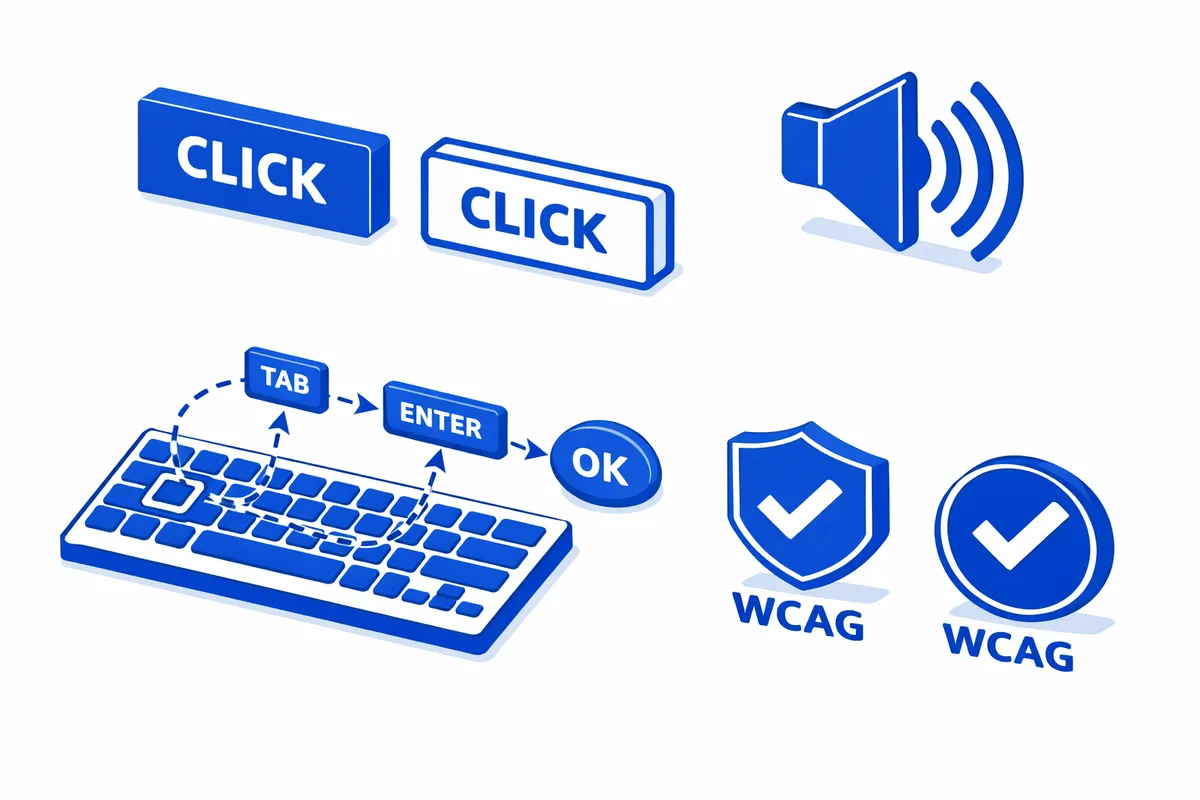
We conduct a comprehensive compliance audit that combines automated scanning, manual testing with screen readers including NVDA and VoiceOver, keyboard-only navigation testing, and color contrast analysis across every page type on your site. Automated tools catch a portion of accessibility failures; the failures that generate legal complaints are often the ones automated tools miss, which is why manual testing is essential.
We deliver a structured report that categorizes every failure by severity: critical barriers that block screen reader users entirely, significant failures that create major difficulty, and lower-priority issues that represent best practice improvements. The report includes the exact location of each failure, the WCAG criterion it violates, and the specific code change required to fix it.
We then implement the remediations. We work in your actual platform, whether that is WordPress, Squarespace, Webflow, Shopify, or a custom build. We do not use accessibility overlay tools, which provide a superficial appearance of compliance without actually fixing the underlying code failures and which have been rejected by accessibility advocates and courts as insufficient remediation.
After remediation, we run a validation audit to confirm that every identified failure has been resolved and that no new issues were introduced during the remediation process. We provide a compliance documentation package that includes the original audit, the remediation work performed, and the post-remediation validation results. This documentation is valuable if you ever receive an ADA demand letter, as it demonstrates good-faith compliance efforts.
We also establish ongoing monitoring that alerts you when content changes or site updates introduce new accessibility failures, so that compliance does not degrade over time.
Industries We Serve in Lincoln Square
Independent restaurants and cafes on Lincoln Avenue need compliant menu pages, reservation systems, and online ordering flows. A customer who uses a screen reader should be able to read your menu, understand your hours and location, and make a reservation without barriers. Restaurant websites are among the most commonly targeted in ADA enforcement actions because they are heavily visited and frequently contain inaccessible elements.
Music schools and arts education businesses near the Old Town School of Folk Music need accessible course registration forms, class schedule pages, and event listings. Parents of students who use assistive technology should be able to research programs, register for lessons, and purchase tickets to recitals without encountering barriers that require a phone call.
Fitness and wellness studios on Western Avenue and throughout the neighborhood need compliant class scheduling interfaces, membership signup forms, and instructional content pages. Clients who manage chronic conditions or disabilities often seek out fitness and wellness services specifically; an inaccessible booking system creates a barrier for the population most likely to need those services.
Boutique retail shops along Lincoln Avenue need accessible product pages, compliant checkout flows, and navigation structures that work correctly with keyboard and screen reader. A visually impaired customer who wants to shop at an independent Lincoln Square retailer rather than a large online platform should be able to complete a purchase without technical barriers.
Bookstores and cultural venues near Welles Park serve community members across a wide range of ages and abilities. Event pages, newsletter signup forms, and content-heavy pages all require accessible structure to serve the full community these businesses exist to support.
Service and professional businesses operating on Damen Avenue and into adjacent Ravenswood serve clients who may rely on assistive technology for digital access. Professional service websites, including those for attorneys, accountants, and healthcare-adjacent practitioners, face the same ADA exposure as retail and food businesses.
What to Expect Working With Us
1. Comprehensive compliance audit. We conduct a full audit of your digital properties using automated scanning, manual screen reader testing, and keyboard navigation review. We deliver a structured report within two weeks that categorizes every failure by severity and provides specific remediation guidance for each issue.
2. Prioritized remediation execution. We fix the failures, starting with critical barriers and working through significant issues. We do the work in your actual codebase or CMS, not through overlay tools. We document every change made during remediation.
3. Validation audit and compliance documentation. After remediation, we run a second full audit to confirm that all identified issues have been resolved and that no new issues were introduced. We deliver a compliance package that includes the original audit, remediation record, and post-remediation validation. This package is your documentation of good-faith compliance.
4. Ongoing monitoring setup. We establish automated monitoring that checks your site for new accessibility failures on a regular schedule. When your team adds new content or your developer makes site updates, the monitoring system alerts you to any regressions so they can be addressed before they accumulate into a compliance problem.