How We Build Email Marketing for Lincoln Park
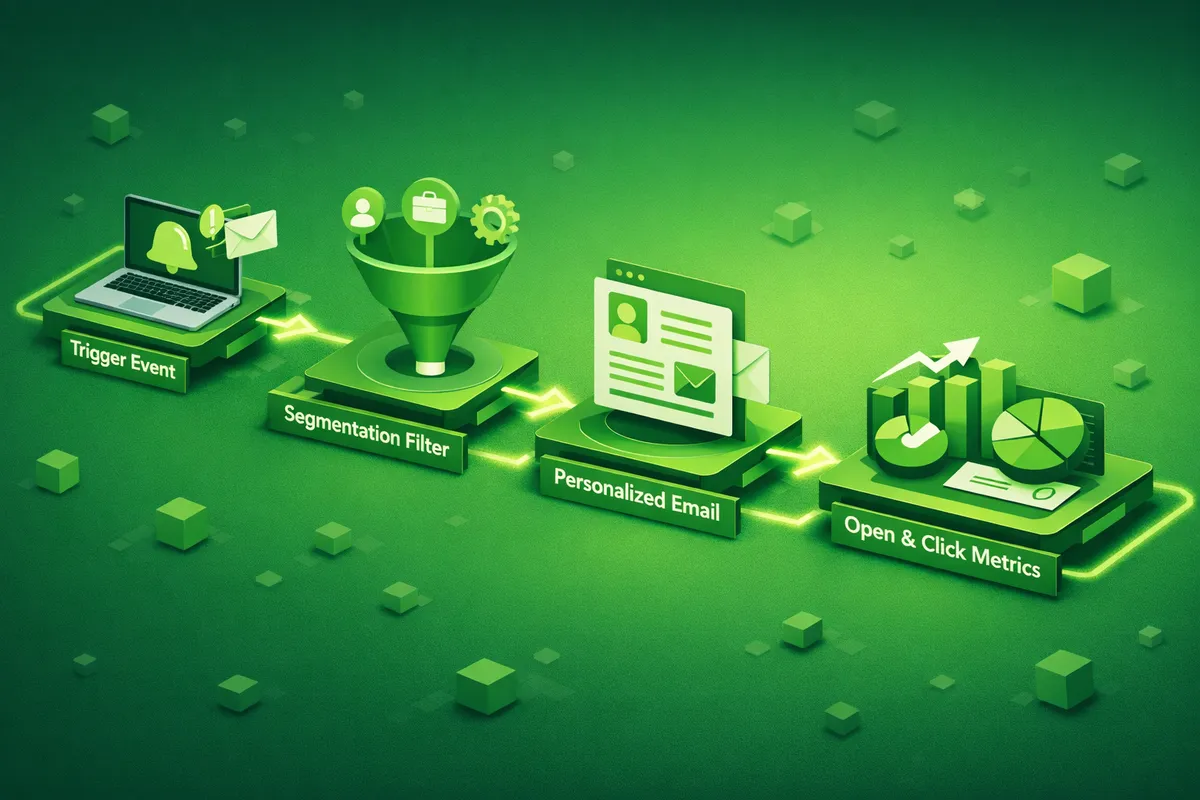
We start with list segmentation. Most Lincoln Park businesses collect email addresses but do not tag them with the information needed to send relevant content. A children's boutique should tag subscribers by their oldest child's approximate age at sign-up. A fitness studio should tag by membership type and enrollment date. A restaurant should tag by dining frequency and reservation history. These tags cost nothing to implement at the point of capture and unlock the personalization that doubles open rates.
Automation sequences follow customer behavior rather than calendar dates alone. A new subscriber to a fitness studio on Halsted Street should receive a seven-email welcome sequence introducing the instructors, explaining the class formats, addressing common hesitations, and making a specific offer at the end. A first-time buyer from an Armitage Avenue boutique should receive a follow-up sequence that confirms their purchase, introduces them to complementary product categories, and invites them to return. These sequences run in the background, delivering relevant content at the right moment, without requiring the business owner to write and send anything manually.
Seasonal campaigns align with Lincoln Park's real calendar. Spring in Lincoln Park opens outdoor season around the zoo, the lakefront trail, and the parks. Summer accelerates neighborhood dining, North Avenue Beach visits, and Lincoln Park Zoo programming. Back-to-school in late August is the family corridor's biggest commercial moment. The holiday season from mid-November through December drives gift shopping on Armitage Avenue at a level that rivals any other Chicago retail corridor. We build a year-round campaign calendar that anticipates these moments and has content planned and ready before each one arrives.
Deliverability is maintained through consistent list hygiene. Lincoln Park businesses with high subscriber churn from the DePaul student population need quarterly list cleaning to remove non-openers and hard bounces. Engagement-based sending, where low-engagement subscribers receive a re-engagement campaign before being removed, protects sender reputation and ensures high-intent subscribers receive every email reliably.
Industries We Serve in Lincoln Park
Boutique retailers on Armitage Avenue. The Armitage corridor's browsing culture means a significant portion of store visitors are in consideration mode, not purchase mode. Email marketing captures these visitors and keeps the boutique in their minds during the days and weeks between visits. A wishlist feature at checkout, where browsers can email themselves product details, turns casual window-shoppers into email subscribers with documented purchase intent. Automated sequences that follow up on wishlisted items when they go on sale or when new arrivals match the subscriber's category history convert consideration into purchase.
Restaurants and dining along Clark Street and Halsted Street. Lincoln Park's residential density means regulars live within walking distance and dine out multiple times per week. A loyalty email program that recognizes visit frequency, celebrates anniversaries, and offers early access to seasonal menu changes treats regulars like the high-value customers they are. Along Clark Street near DePaul, student-specific email campaigns during the academic year drive group dining and late-night business that offsets slower midweek periods.
Fitness studios and wellness practitioners on Halsted. Challenge-based email campaigns produce the strongest conversion results for Lincoln Park's fitness businesses. A New Year challenge, a spring fitness reset, a back-to-school routine rebuild, and a holiday prep challenge create four high-engagement campaign arcs annually. Each runs as a multi-week email sequence with progress content, community building, and a conversion sequence at the end offering membership or package commitments. Between challenges, instructor spotlights, member achievement highlights, and class schedule updates maintain connection and reduce cancellation rates in the months where motivation typically drops.
Family-oriented businesses near Oz Park and DePaul. Lincoln Park's family population creates a lifecycle email opportunity that extends well beyond a single purchase. A children's activity center, a pediatric practice, a family restaurant, or a toy store on Clark Street that captures email at the child's birth can automate content that evolves with the family for years. Baby-focused content in year one, toddler programming in years two and three, school-age activities and services from ages five through ten.
Medical and dental practices near Fullerton Parkway. Healthcare practices in Lincoln Park compete for a professional residential patient base that expects organized, responsive communication. Appointment reminder sequences, post-visit follow-up surveys, and seasonal wellness education campaigns build the communication cadence that distinguishes a modern practice from one that only contacts patients when they are overdue for a cleaning. Practices that email consistently maintain higher appointment adherence rates and generate more referrals from satisfied patients who feel genuinely cared for between visits.
Private schools and enrichment programs. Lincoln Park's family density supports a large concentration of preschools, Montessori programs, music schools, and after-school enrichment businesses. Email marketing for these programs centers on enrollment calendar timing. Open house invitations, application deadline reminders, new family welcome sequences, and current family retention campaigns each have distinct purposes and distinct timing requirements.
What to Expect Working With Us
1. List audit and segmentation architecture. We analyze your current subscriber list, identify existing segmentation data, and design a tagging system that enables personalization without requiring a platform migration. You learn which segments exist within your list and what the revenue opportunity is in treating them differently.
2. Automation sequence build-out. Welcome sequences, post-purchase follow-ups, loyalty campaigns, and lifecycle automations are built and activated. These sequences run without ongoing management and produce consistent returns from your existing list.
3. Seasonal campaign calendar. A 12-month campaign plan tied to Lincoln Park's commercial calendar: back-to-school in late August, fall programming launch, holiday shopping on Armitage Avenue, and the spring activation that opens outdoor season across the neighborhood.
4. Monthly management and reporting. Campaigns are written, scheduled, and deployed. Performance reporting covers open rates, click rates, revenue attribution where trackable, and list health metrics. We identify which segments are underperforming and adjust content and frequency to improve results month over month.