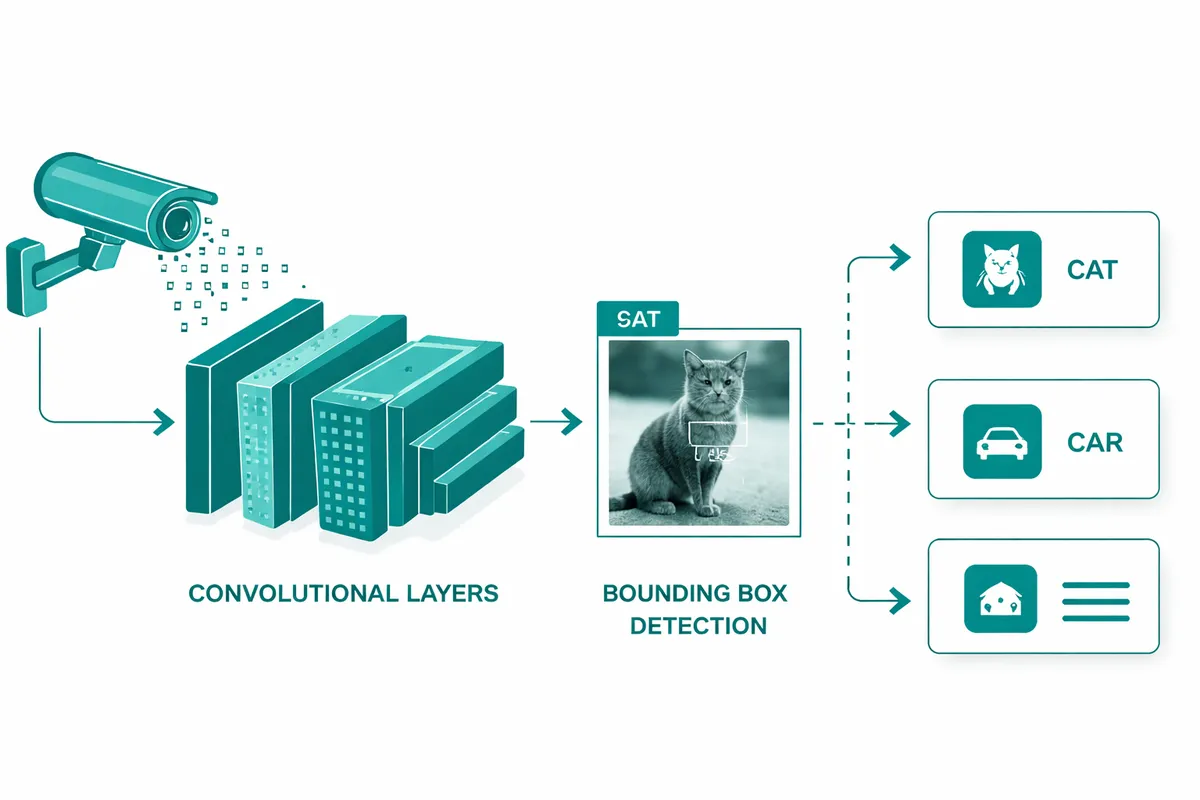
How We Build Computer Vision in Lincoln Park
We work with your existing camera infrastructure whenever possible, adding AI processing layers rather than requiring new hardware. For Armitage Avenue and Clark Street retailers, we deploy foot traffic counters that distinguish walk-bys from walk-ins, heat maps that show where customers spend time in-store, and display conversion tracking that measures which window setups drive the most entries. For restaurants, we build table occupancy monitors that track turnover rates and kitchen camera systems that identify bottlenecks in prep and plating. For property management companies, we deploy package arrival verification, unauthorized access alerts, and parking lot monitoring across multiple buildings from a single management interface.
Industries We Serve in Lincoln Park
Boutique retail along Armitage Avenue uses computer vision to answer questions that POS data cannot. Which window display generated the most walk-ins? Where do customers pause longest in the store? Which product sections get browsed but not purchased? Visual analytics fill the gap between foot traffic and transactions, giving retailers the data to optimize layouts with confidence. One Armitage boutique used in-store heat map data to identify that customers were consistently bypassing a new arrivals section near the entrance and heading directly to the back wall. Repositioning the new arrivals display to the path customers actually walked increased new arrivals sales by 22 percent in the following month.
Restaurants and food service businesses throughout Lincoln Park use computer vision to optimize operations that happen too fast for manual observation. Table turnover tracking identifies which sections turn tables fastest and why. Kitchen cameras spot bottlenecks in the line before they cascade into slow service. Wait area monitoring helps hosts manage capacity in real time during the Friday night rush between 7 and 9 PM, preventing the entry area from becoming so congested that new arrivals leave before being seated.
Property management firms overseeing Lincoln Park's condos, apartments, and mixed-use buildings use computer vision for package delivery verification, lobby security monitoring, and parking lot management. Package theft drops dramatically when delivery verification is automated because the system logs every package arrival and alerts residents in real time. Firms managing multiple buildings report significant reductions in package-related complaints and the liability exposure that comes with disputed deliveries.
What to Expect Working With Us
1. Visual data strategy session: We identify which computer vision applications align with your highest-priority operational questions. For a retailer, that usually means starting with foot traffic and display analytics. For a restaurant, it is table turnover and kitchen monitoring. For a property manager, it is security and package management. We build a sequenced deployment plan that delivers immediate value first.
2. Camera infrastructure assessment: We audit your existing camera positions and coverage, identify gaps, and design a deployment that maximizes the use of what you already have. We recommend additional hardware only where existing coverage cannot support the analytics you need.
3. Model training and integration: We train AI models on your specific space, products, and operational patterns. A display effectiveness model for your Armitage boutique is trained on your actual store layout and inventory. A kitchen monitoring model for your restaurant is calibrated to your specific prep stations and plating workflow.
4. Insights review and action planning: We review your computer vision data with you monthly, translate the patterns into specific operational recommendations, and refine the models as your space and offerings change. The goal is decisions, not dashboards.