How We Build AI Marketing Automation in Lincoln Park
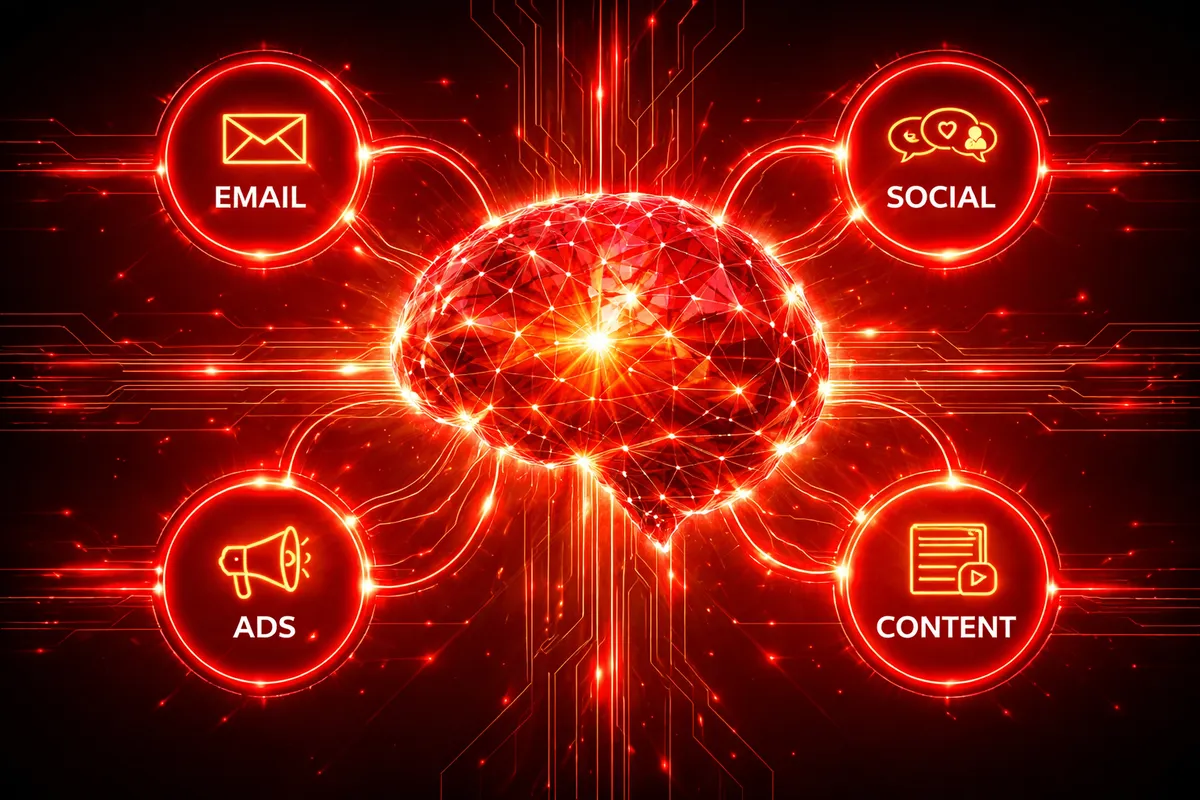
We connect your CRM, email platform, social accounts, and POS into a single automation engine. For Armitage Avenue retailers, we build triggered campaigns around browse behavior, purchase history, and seasonal inventory cycles. Abandoned cart emails go out within an hour. Post-purchase follow-ups request reviews at the right moment. For restaurants on Clark and Halsted, we automate reservation confirmations, post-visit review requests, birthday offers, and slow-night promotions triggered by real-time booking data. For fitness studios across the neighborhood, we create automated onboarding sequences for new members, class reminder flows, and win-back campaigns that activate the moment attendance starts dropping. Every deployment starts with your highest-ROI use cases and expands from there.
Industries We Serve in Lincoln Park
Boutique retail along Armitage Avenue runs on repeat customers and word-of-mouth among a tight-knit community of serious shoppers. AI marketing automation builds the relationship between visits through abandoned browse emails, back-in-stock notifications, VIP early access campaigns, and seasonal lookbooks sent to the right segments at the right time. AI optimizes subject lines and send times based on each recipient's engagement history. Retailers using automation typically see 20 to 40 percent higher email revenue than those running manual campaigns because the automation reaches customers at the exact moment they are most likely to buy.
Lincoln Park's competitive restaurant scene demands constant visibility. Automation handles post-visit review requests that boost your Google rating, birthday and anniversary offers that drive high-margin reservations, and slow-night promotions targeted at customers who live within walking distance of your location. Systems trigger from reservation and POS data, so every campaign is based on real behavior rather than guesswork about what each customer might want. Lincoln Park Zoo traffic creates seasonal windows that well-timed promotions can capture from visitors who are already in the neighborhood.
Fitness and wellness studios from the Clybourn Corridor to the Fullerton El use automation to reduce churn. The system identifies members whose attendance drops below their typical pattern and triggers re-engagement campaigns with class suggestions, schedule reminders, or limited-time incentives before the member decides to cancel. Studios using AI-driven retention automation typically reduce monthly churn by 15 to 25 percent, which compounds significantly over a full year and changes the economics of the studio fundamentally.
What to Expect Working With Us
1. Multi-audience segmentation architecture. We map your customer segments by purchase history, visit frequency, DePaul status, family vs. professional profile, and engagement channel. Lincoln Park businesses serve genuinely different audiences and need campaign tracks that reflect those differences. A student welcome sequence looks different from a family loyalty campaign.
2. Behavior-triggered campaign build. We build the automated triggers that Lincoln Park businesses need: abandoned cart recovery, post-visit review requests, member attendance monitoring, birthday offers, and VIP early access campaigns. Each trigger fires based on actual customer behavior, not on a manual schedule that requires someone to remember to hit send.
3. Academic and seasonal calendar integration. We build in the DePaul academic calendar, the Lincoln Park Zoo's seasonal traffic patterns, the holiday shopping window on Armitage, and the summer residential traffic surge. Campaigns are staged around these real seasonal drivers rather than generic retail calendars designed for a different kind of market.
4. AI optimization and monthly reporting. The system continuously tests subject lines, send times, and content variants. Monthly reporting shows which campaigns drive revenue and which need adjustment. Most Lincoln Park businesses see month-three performance significantly outperforming month-one as the AI refines its understanding of the local audience and what each segment responds to.