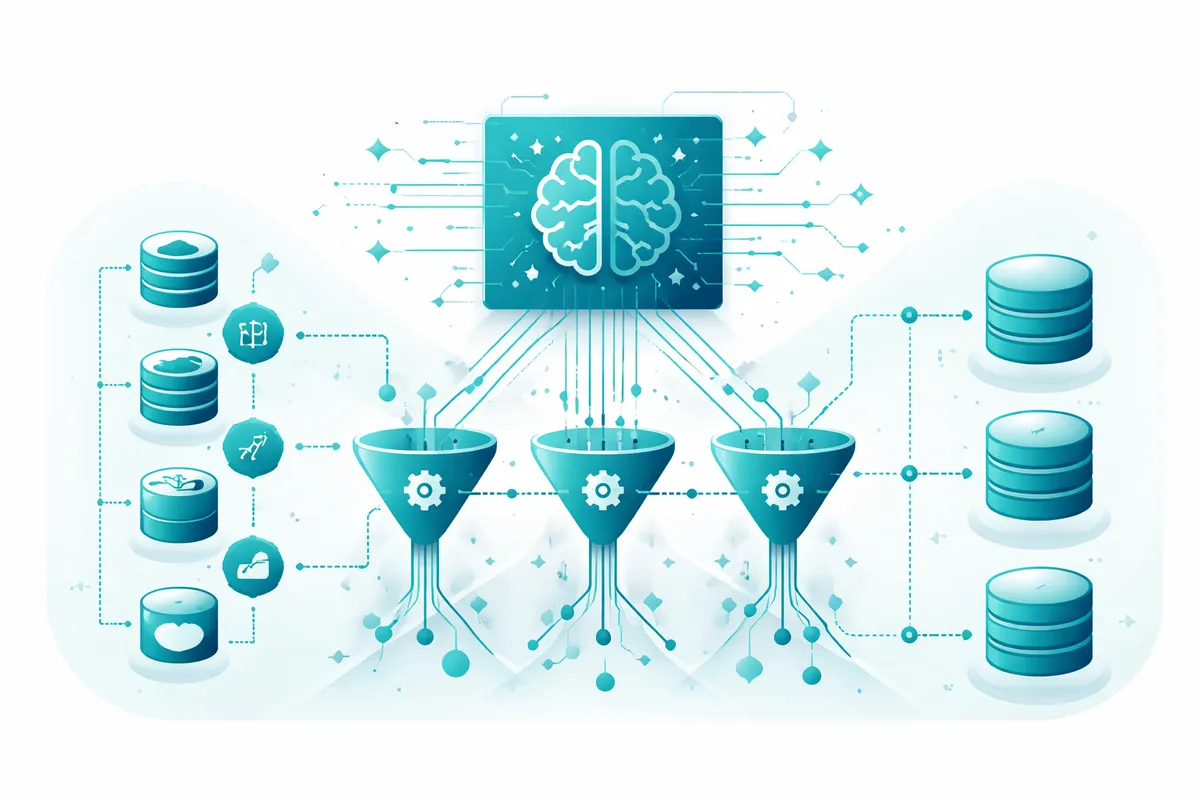
How We Build AI Data Pipelines in Lincoln Park
We start by auditing every tool your business touches, then map the data flows between them. For Armitage Avenue and Clark Street retailers, we connect Shopify or Square POS to email platforms, social analytics, and inventory management so you can trace a sale back to its marketing origin. For restaurants near Lincoln Park Zoo, we unify Toast or Resy data with review platforms, weather feeds, and local event calendars to reveal demand patterns. For startups and growing companies along the Clybourn Corridor, we build scalable data infrastructure from the ground up, designed to handle ten times your current volume without rearchitecting.
What to Expect Working With Us
1. Multi-platform data audit. We document every tool in your stack and every data flow between them. For Lincoln Park businesses running six or more platforms, this audit typically reveals data inconsistencies and redundancies that have been quietly affecting decisions.
2. Pipeline architecture design. We design data flows that connect your systems in the right order, handle data transformation consistently, and deliver unified outputs that serve your actual decision-making needs rather than generic reports.
3. Build and validation. We build each integration and validate outputs against your existing reports before going live. This validation phase frequently surfaces discrepancies between what different platforms claim about the same transactions.
4. Live monitoring and expansion. Pipelines run continuously with error monitoring. We add new platform connections as your business grows and adjust existing integrations when platforms update their systems.
Industries We Serve in Lincoln Park
Retail businesses along Armitage and Halsted struggle with inventory decisions because sales data lives in one system and marketing data lives in another, with no connection between them. AI data pipelines connect these streams so you can see which Instagram post drove traffic, which email campaign converted, and which products are trending before stock runs out. Retailers with connected pipelines make restocking decisions days faster and catch sell-through trends that manual reporting discovers only after the opportunity has passed.
Lincoln Park's restaurant and bar scene generates massive data across POS transactions, reservations, delivery platforms, and review sites. Pipelines merge all of it into a single operational view. You see which nights consistently underperform, which menu items are trending down, and how weather and local events affect walk-in traffic. Restaurants using unified data typically reduce food waste by 10-15% because purchasing decisions are based on actual demand signals, not gut feel and experience alone.
Professional services and startups near DePaul University need data pipelines that consolidate client data, automate reporting, and feed clean information into analytics dashboards. A growing consulting firm tracking clients across CRM, billing, and project management tools gets a single source of truth instead of three conflicting spreadsheets. Clean data pipelines save 5-10 hours per week of manual reporting and eliminate the reconciliation headaches that slow down growth decisions and create tension between the business owner and their bookkeeper.