Our UI/UX Design Work in Lakeview
- User research with Lakeview's fitness members, hospitality professionals, and North Side retail customers for founders building vertical software in these markets
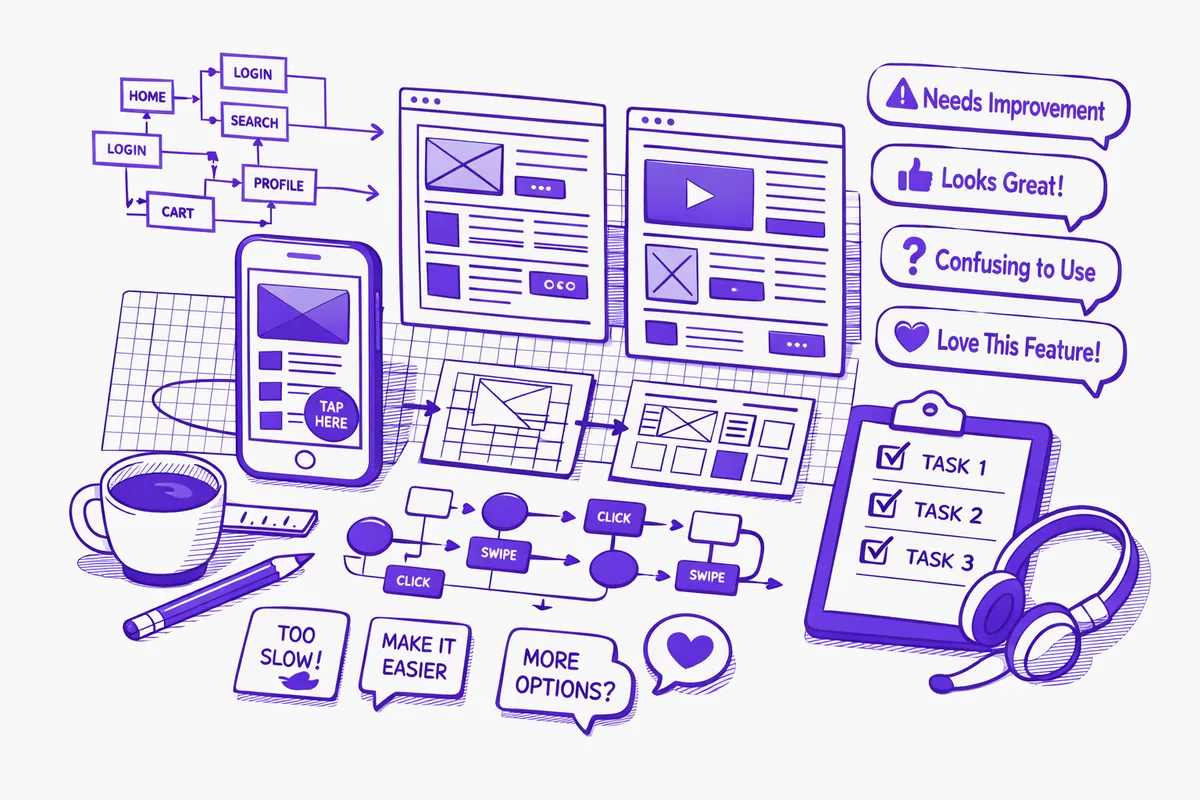
- User journey mapping for wellness platforms built by Lakeview studio operators, from discovery through booking, class attendance, and membership renewal
- Information architecture and navigation design for hospitality management tools built for the Wrigleyville game-day operational context
- Wireframing and low-fidelity prototyping for rapid concept validation with Lakeview business operators as test participants
- High-fidelity interface design and interactive Figma prototypes for fitness, retail, and property management SaaS products
- Mobile app design for products used by Lakeview's fitness and hospitality professionals on phones during active service
- Design systems and shared component libraries for Lakeview startup product teams building on multiple surfaces
- Accessibility design for community organizations in Boystown and Lakeview neighborhood institutions serving diverse populations
- Developer handoff documentation with annotated Figma components for the engineering teams building Lakeview founders' products
Industries We Serve in Lakeview
Fitness and Wellness Technology. Lakeview's extraordinary fitness density makes it both a reference market and a recruitment pool for usability testing of fitness and wellness software. We design class management platforms, member portals, instructor tools, and wellness applications for founders who understand this market deeply and need design execution that matches their domain expertise.
Hospitality and Food Service Technology. Wrigleyville's game-day economy and Lakeview's year-round hospitality corridor create a design context that general-purpose hospitality software consistently fails to address. We design POS interfaces, event management tools, and staff communication platforms for the operational reality of a Clark Street venue on a Friday night before a 7:05 PM first pitch.
Retail and Commerce Technology. The Southport corridor and Belmont boutique community, along with the broader Lakeview retail environment, generates data and user behavior that informs design for retail technology. Inventory interfaces, customer-facing browse and purchase flows, and loyalty program experiences designed for Lakeview's independent retail context.
Property Management Technology. Lakeview's substantial rental inventory and the property management companies and self-managing landlords who oversee it represent a focused buyer and user population for property management software. Tenant communication interfaces, maintenance request flows, and landlord reporting dashboards designed for the density of the Lakeview rental market.
Professional Services and Practice Management. The therapy practices, law offices, and consulting firms serving Lakeview's professional residential population need client-facing digital experiences that reflect the quality of the services behind them. Client portals, appointment flows, and communication interfaces designed for professional services users.
Community Organizations. Boystown nonprofits, Lakeview neighborhood organizations, and community institutions serving the North Side need digital tools that work for members across literacy levels and device access. Accessible, inclusive interface design for the community organizations doing real work in Lakeview.
What to Expect
Discovery and Research. We begin with your users. This means reviewing existing analytics, interviewing current or target users from Lakeview's business communities, mapping the current journey, and identifying where experience breaks down. For fitness and hospitality products, this often includes observational research in actual Lakeview studios and venues. The findings from this phase shape every subsequent design decision.
Information Architecture and Wireframing. Structure before surface. We design how content and features are organized before committing to visual design. Wireframes establish flow and layout quickly, enabling feedback and lightweight usability testing before the expensive high-fidelity work begins. Lakeview operators and their customers can review wireframes and surface issues early.
High-Fidelity Design and Prototyping. Pixel-precise interfaces built in Figma, including the interactive prototype that allows Lakeview stakeholders and test users to experience the product before development begins. Design system creation ensures every component is consistent, documented, and ready for developer use.
Testing and Iteration. We test prototypes with real users matching your target population. Lakeview's density in fitness, hospitality, and retail makes recruiting appropriate test participants faster than in most markets. Testing surfaces issues that product teams cannot find because they know the product too well. Findings are incorporated before handoff so development teams build what is known to work.