Your Cart (0)

Your cart is empty

Lakeview, Chicago

Multi Agent Systems in Lakeview

Multi Agent Systems for businesses in Lakeview, Chicago. We know the neighborhood, the customers, and what it takes to compete locally.

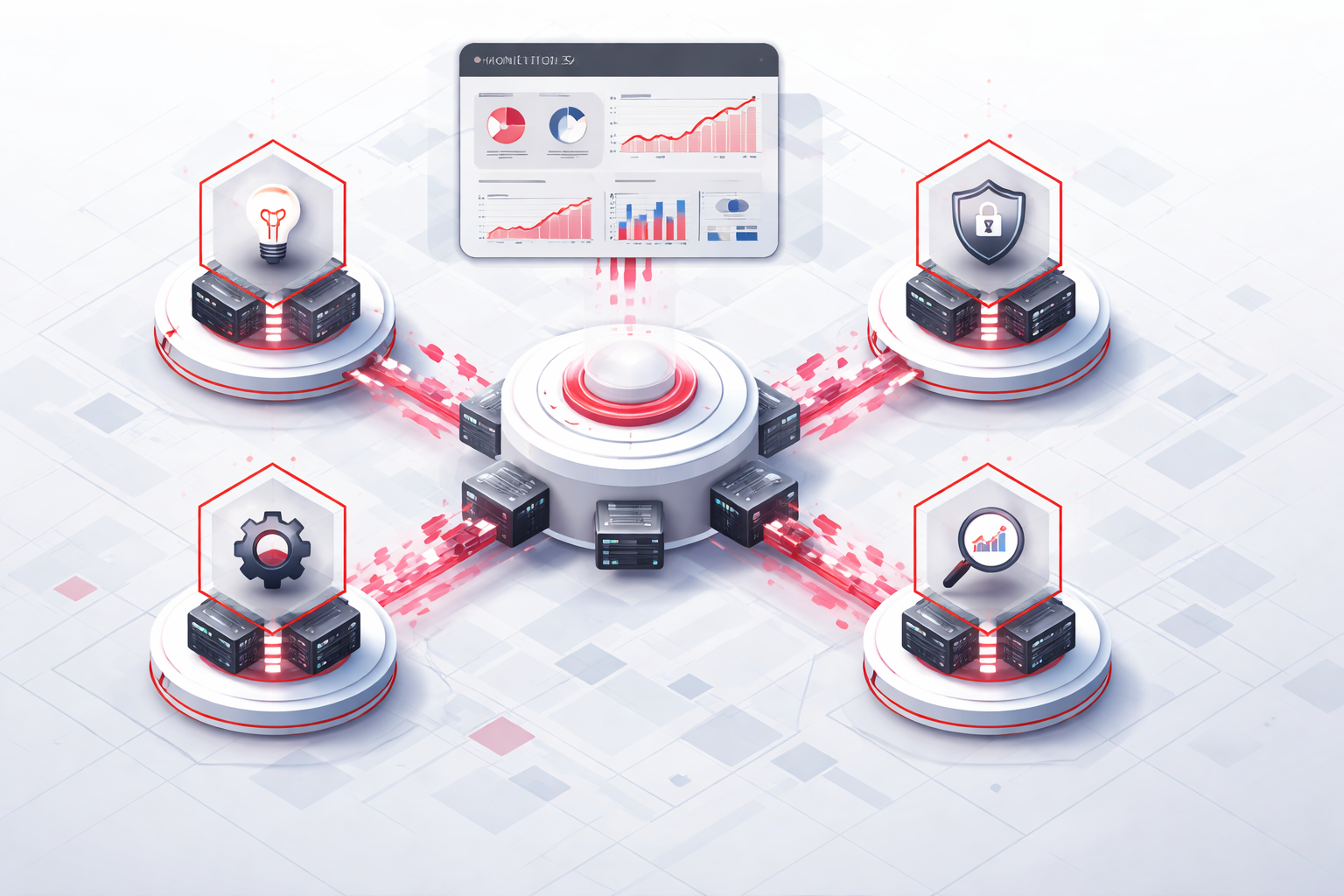
Multi Agent Systems in Lakeview service illustration

Our Multi-Agent System Work in Lakeview

  • Private event booking automation for Wrigleyville hospitality businesses with agents handling inquiry qualification, availability checking, proposal generation, and follow-up sequence management
  • Member acquisition automation for Lakeview fitness studios with agents handling trial inquiry response, booking confirmation, onboarding sequence delivery, and conversion follow-up
  • Client intake automation for professional service offices throughout Lakeview with agents handling initial qualification, document collection, appointment scheduling, and status communication
  • Retail personalization automation for Southport corridor boutiques with agents handling purchase history analysis, personalized product recommendations, and promotional sequence delivery
  • Community outreach automation for Boystown nonprofits and organizations with agents handling event promotion, volunteer coordination, and donor communication sequences
  • Seasonal campaign automation for Clark Street and Halsted hospitality businesses with Cubs schedule-aware campaign orchestration

Industries We Serve in Lakeview

Hospitality and Food Service: Multi-agent systems for Wrigleyville and Lakeview restaurants and bars automate the event inquiry, booking, and follow-up workflows that currently require manager time at every step. The agents also handle the promotional campaign sequencing that the Cubs home schedule makes both a recurring opportunity and a recurring operational load.

Fitness and Wellness Studios: Member acquisition and retention workflows for Lakeview's competitive fitness market benefit from multi-agent automation that handles every step from inquiry through onboarding without requiring studio staff to manually manage each interaction.

Professional Services: Law practices, therapy offices, and consulting firms throughout Lakeview manage client intake and case progression workflows where multi-agent automation handles the information gathering, scheduling, and status communication steps that currently create coordination overhead.

Retail Boutiques: Southport corridor boutiques with growing customer data benefit from multi-agent personalization systems that analyze purchase history, generate personalized recommendations, and deliver targeted promotional sequences automatically.

Community Organizations: The Center on Halsted and Boystown's nonprofit community use multi-agent systems for event promotion, volunteer coordination, and the donor communication sequences that sustain organizational operations without requiring staff capacity at every touchpoint.

What to Expect Working With Us

Workflow Mapping: We map your target process end to end, documenting every decision point, data dependency, and quality requirement. This becomes the blueprint for the agent architecture.

Agent Design: Each agent receives a defined role, specific tools, and explicit handoff protocols. We select the right orchestration framework for your infrastructure and requirements.

Build and Testing: We build and test each agent individually before integrating them into the full workflow system. End-to-end testing covers normal sequences and edge cases specific to Lakeview's operational environment.

Deployment and Expansion: We deploy incrementally, starting with supervised operation before expanding to full automation. Monthly reviews identify optimization opportunities and new workflow candidates.

Frequently Asked Questions

A private event booking workflow spans multiple steps that each require different data and produce different outputs. An intake agent receives the initial inquiry and extracts key details: group size, requested date, event type, and any Cubs game relevance. A research agent checks your venue's availability calendar, calculates minimum spend based on group size and date, and reviews any prior booking history for the requesting contact. A proposal agent generates a customized proposal document with the available dates, pricing, and suggested package configurations. A delivery agent sends the proposal with a personalized introduction and schedules follow-up reminders at 48 hours and 5 days if no response is received. The orchestration layer manages the handoffs, ensures each agent completes its task before the next begins, and flags any edge cases that require human review. The entire sequence runs from initial inquiry to delivered proposal in minutes rather than the hours or days it currently takes.

Yes. The advantage of multi-agent systems for independent Lakeview fitness studios is that they replicate the systematic, personalized follow-up capability that larger studios with dedicated marketing staff achieve through headcount. When a potential member submits a trial class inquiry, the system responds with a personalized message within minutes, books the trial at their preferred time, sends a pre-class preparation sequence, follows up post-class with a membership offer calibrated to the class they attended, and continues a nurture sequence for prospects who express interest but do not convert immediately. None of this requires staff time beyond the initial system setup. The studio competes on response speed and personalization consistency against studios with marketing coordinators managing these sequences manually.

Standard marketing automation executes predefined sequences: if someone signs up, send email 1 then email 2 then email 3. Multi-agent systems execute adaptive workflows: agents reason about the specific situation, consult available data, make decisions based on context, and produce outputs that are personalized to each individual case rather than drawn from a fixed sequence. For a Lakeview fitness studio, the difference is a membership offer that references the specific class the person attended, the instructor they worked with, and the scheduling window that fits the availability they showed during booking, versus a generic "join now" follow-up that went to everyone who attended a trial class.

A focused system automating one workflow, like a private event booking process or a fitness studio trial-to-membership sequence, takes 6 to 10 weeks from discovery through deployment. Systems automating multiple interconnected workflows take 14 to 20 weeks. Timeline depends on the number of agents, the complexity of the workflow logic, and the integration requirements with your existing systems.

No. We build monitoring dashboards that show system performance, workflow completion rates, and exception cases requiring human attention without requiring technical expertise to interpret. We deliver documentation that enables your team to understand what the system is doing and why, add new workflow triggers, and recognize when something needs our attention to fix. For Lakeview's independent businesses, the goal is a system that provides operational leverage without creating a new technical dependency.

Quality control is designed into the agent architecture from the start. Each agent has explicit output quality criteria and generates its work for review by the next agent before delivery. For high-stakes outputs like event proposals or complaint responses, we build human review checkpoints into the workflow rather than running fully autonomously. Over time, as the system demonstrates consistent output quality on a workflow, we expand automation and reduce human touchpoints. The system learns from the reviews and corrections that human oversight provides, improving quality over time. Learn more about our [multi-agent system development across Chicago](/chicago/multi-agent-systems) or explore other [digital services available in Lakeview](/chicago/lakeview).

Ready to get started in Lakeview?

Let's talk about multi agent systems for your Lakeview business.