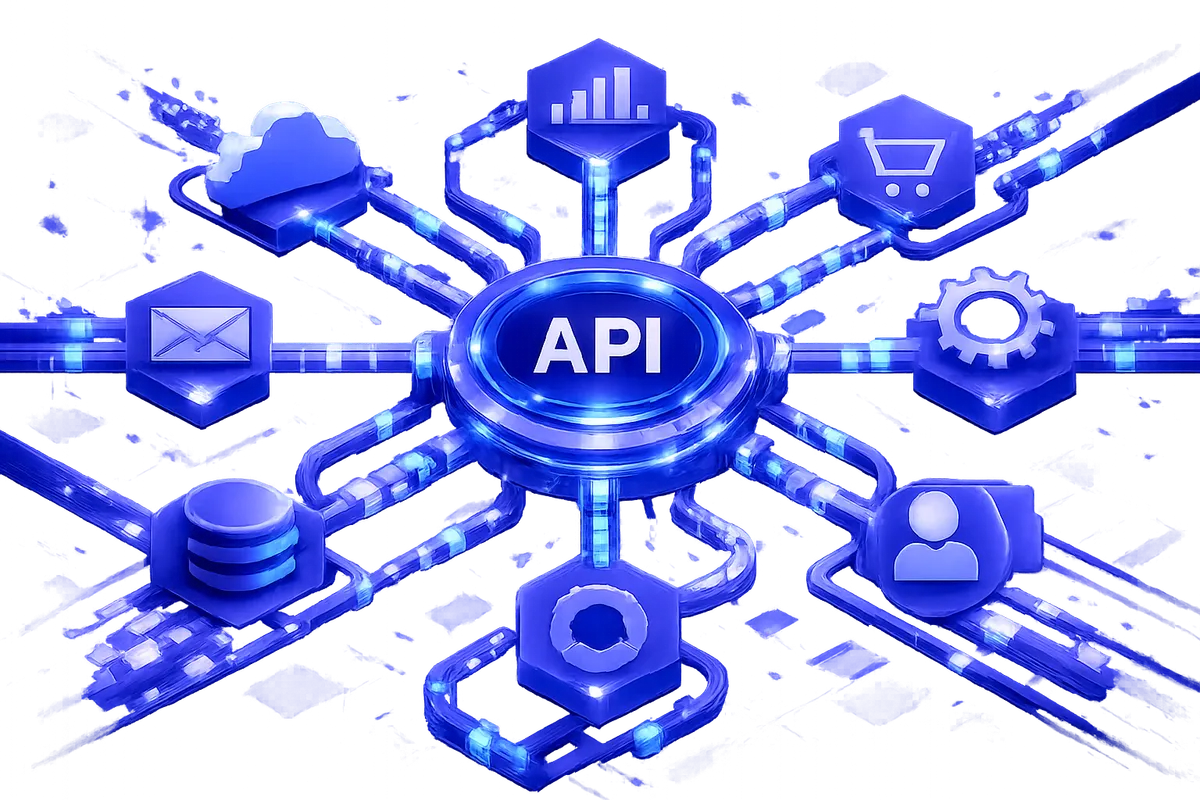
How We Build API Integration for Lakeview
Every engagement begins with an integration requirements analysis: mapping your complete technology environment, identifying every current manual process that connects systems, and documenting the data that should flow automatically between each pair of tools. This analysis produces a prioritized integration list ordered by the time savings and operational improvement each integration delivers.
Integration architecture design follows the analysis. For Lakeview businesses with straightforward integration needs, point-to-point API connectors are usually the right approach: direct connections between two systems that exchange specific data on defined triggers. For businesses with more complex technology stacks, middleware or event-driven integration patterns may be more appropriate.
We build integrations with error handling, retry logic, and monitoring built in. If a connected system is temporarily unavailable, data events queue for delivery when connectivity is restored. Integration health dashboards show your team which data flows are working and alert when attention is needed. After deployment, we provide documentation, troubleshooting guides, and a support period for the early weeks of operation.
Industries We Serve in Lakeview
Fitness studios and wellness businesses using Mindbody, MINDBODY, ClassPass, or other studio management platforms benefit from integrations that connect scheduling data to email marketing platforms, push new member records to CRM systems, sync retail sales to accounting platforms, and trigger automated communications from booking and attendance data.
Restaurants and hospitality businesses using Toast, Square, or other POS systems benefit from integrations connecting reservation platforms to POS for seamless table management, delivery platform reconciliation to daily revenue reporting, supplier ordering systems to inventory management, and email marketing platforms to guest contact data.
Boutiques and specialty retailers using Shopify or other e-commerce platforms alongside in-store POS benefit from integrations that synchronize inventory across channels automatically, push in-store purchase data to customer profiles in email marketing platforms, and connect accounting systems to both sales channels without manual reconciliation.
Healthcare and mental health practices using practice management software benefit from HIPAA-compliant integrations that connect scheduling systems to billing platforms, automate appointment reminder communications, and synchronize patient contact data within appropriately authorized boundaries.
Professional service providers with CRM systems benefit from integrations that push new website inquiry data into CRM records, connect email marketing activity to contact records, and synchronize scheduling platforms with client communication systems.
What to Expect Working With Us
1. Requirements analysis. We map your technology environment, document data ownership across systems, and identify every manual process that should be automated. The output is a prioritized integration requirements document.
2. Architecture design. We design the integration architecture, select appropriate patterns for each integration, and document the data flows and security architecture. You review and approve before implementation begins.
3. Build and test. We implement integrations with error handling, logging, and monitoring. We test with realistic data volumes and realistic edge cases before any integration goes live.
4. Monitoring and ongoing support. Every integration includes health monitoring with alerting. Ongoing maintenance retainers cover third-party API updates, performance optimization, and incremental additions as your needs evolve.