How We Build AI Sales Intelligence in Lakeview
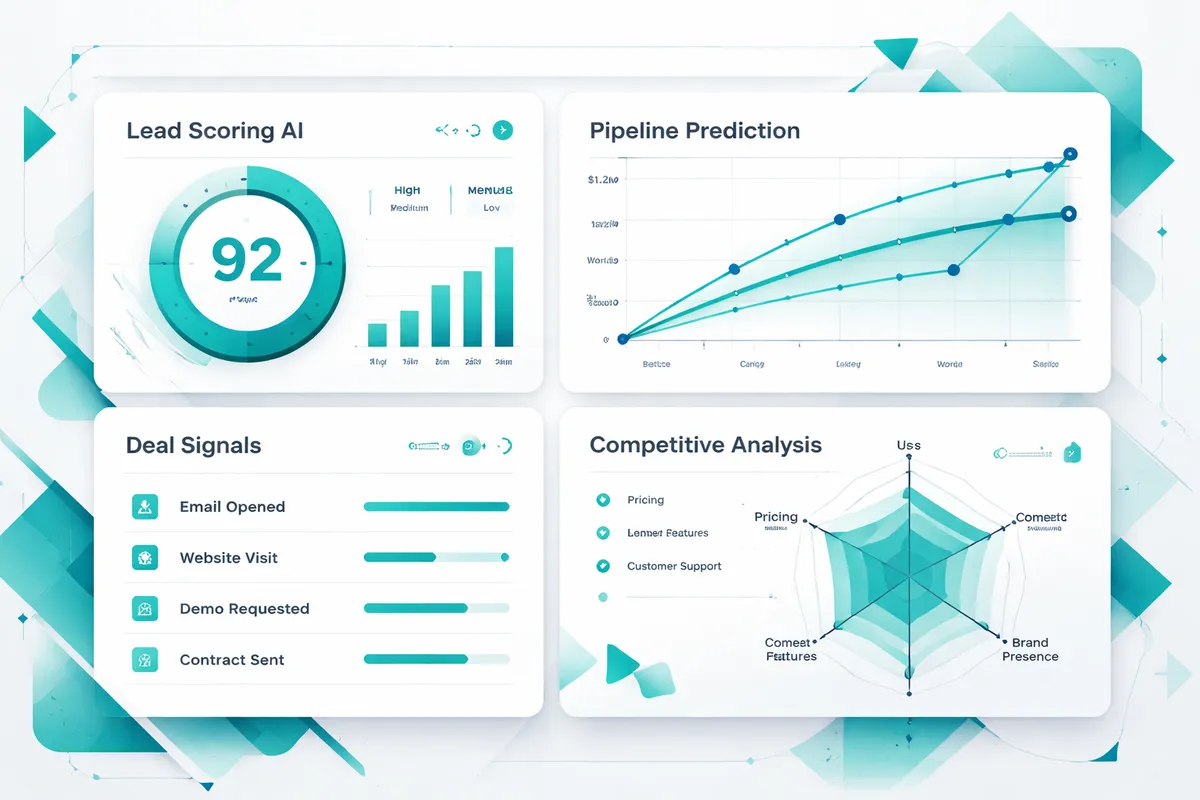
We connect your POS data, membership systems, reservation platforms, email engagement records, and loyalty program activity into a unified customer intelligence layer. The AI builds value scores for every customer based on transaction history, visit frequency, average spend, and engagement with promotions and communications. For bars and restaurants near Clark Street, the system identifies high-spend regulars who qualify for VIP treatment and have never received it. For fitness studios near Belmont and Diversey, the system flags members whose attendance frequency has declined below their established pattern, triggering retention outreach before the cancellation decision is made. For retail shops on the Southport Corridor, the system tracks purchase patterns across categories and predicts next-buy timing so outreach lands when it is most likely to produce a return visit.
We also build event calendar intelligence into the framework. Cubs home game schedules, Pride Month, neighborhood festivals, and seasonal transitions all create predictable demand patterns. The system learns which customer segments respond to event-adjacent promotions and which prefer routine outreach disconnected from event noise. This segmentation makes your marketing feel relevant rather than generic to every segment in your database simultaneously.
Industries We Serve in Lakeview
Bars and restaurants along Clark Street and Broadway use sales intelligence to distinguish between game-night visitors and true regulars, identify high-spend guests who qualify for personal outreach and VIP recognition, and optimize promotion timing around the Cubs schedule and neighborhood events. One Clark Street bar identified 45 customers who had spent more than $500 in a single quarter but had never received personalized outreach or loyalty recognition. A direct invitation to a pre-game VIP event converted 28 of those 45 into higher-frequency regulars within 60 days. The intelligence made the opportunity visible. The outreach made it real.
Fitness studios near Belmont Avenue and along the Broadway corridor track member engagement signals to predict cancellation and intervene early. The typical pattern for a member who cancels is a gradual decline in visit frequency over 6 to 8 weeks before the cancellation decision. AI sales intelligence detects that frequency decline at week two or three, when a personal check-in or a class incentive has a high probability of reversing the trajectory. Catching the signal early and acting on it produces meaningfully better retention outcomes than responding to a cancellation request with a save offer.
Retail shops and boutiques on the Southport Corridor use customer lifetime value analysis to identify their most profitable customer segments and build loyalty programs that match what those segments actually value. A boutique that knows its top 15 percent of customers by revenue can invite them to private shopping events, offer first access to new arrivals, and create a VIP experience that turns their best customers into genuine advocates. For a Southport boutique competing with fast fashion options that Lakeview residents can access anywhere, the relationship depth that AI-backed personalization enables is the durable competitive advantage.
Nightlife venues on Halsted Street in Boystown use event performance intelligence to price dynamically and allocate capacity more profitably. The system analyzes which event types, which performers, and which promotional channels historically produce the highest-value guest segments, then surfaces that intelligence ahead of future booking decisions. For venues where event mix is the primary revenue lever, this intelligence replaces gut feel with pattern-based decision making that improves over time.
What to Expect Working With Us
1. Data connection and customer profile building. We connect your POS, reservation system, membership platform, loyalty program, and email database into a single customer view. For Lakeview businesses with multiple revenue streams (dine-in plus private events, or memberships plus retail), combining these sources into a unified profile often reveals spending patterns and lifetime value concentrations that no single data source could show on its own.
2. Customer scoring and VIP identification. We build value scores for every customer and segment your base into tiers: VIPs, loyal regulars, at-risk customers, and lapsed customers. For Lakeview businesses, we also build event-response segmentation, identifying which customers are responsive to game-day and event promotions versus which prefer standard relationship outreach. The VIP identification step alone typically surfaces a list of customers who deserve immediate personal outreach and have never received it.
3. Alert configuration and retention playbooks. We configure automated alerts for the signals that matter most in your specific business: a fitness member whose weekly visits have dropped by half, a restaurant regular who has not made a reservation in six weeks, a boutique customer approaching the purchase interval that historically precedes a lapse. Each alert comes with a recommended action and message framework so your team can act immediately without having to decide what to say.
4. Ongoing performance monitoring and quarterly reviews. We set up dashboards that surface your most important customer and pipeline metrics on a weekly basis. We review retention rates, VIP lifetime value trends, and outreach conversion data at 30 and 90 days, refining scoring thresholds and alert triggers based on actual outcomes. For Lakeview businesses with strong seasonal patterns around the Cubs schedule and summer events, we adjust the intelligence framework to reflect how customer behavior shifts across the calendar year.