How We Build AI Integration for Lakeview
Every integration project begins with an audit of your current AI usage and an identification of every point where humans are manually bridging AI tools and business systems. We document the systems involved, the data that flows between them, the triggers that initiate each workflow, and the staff time consumed by each manual transfer. This audit produces the integration priority list: the connections that, once built, deliver the most time savings and the most consistent AI assistance.
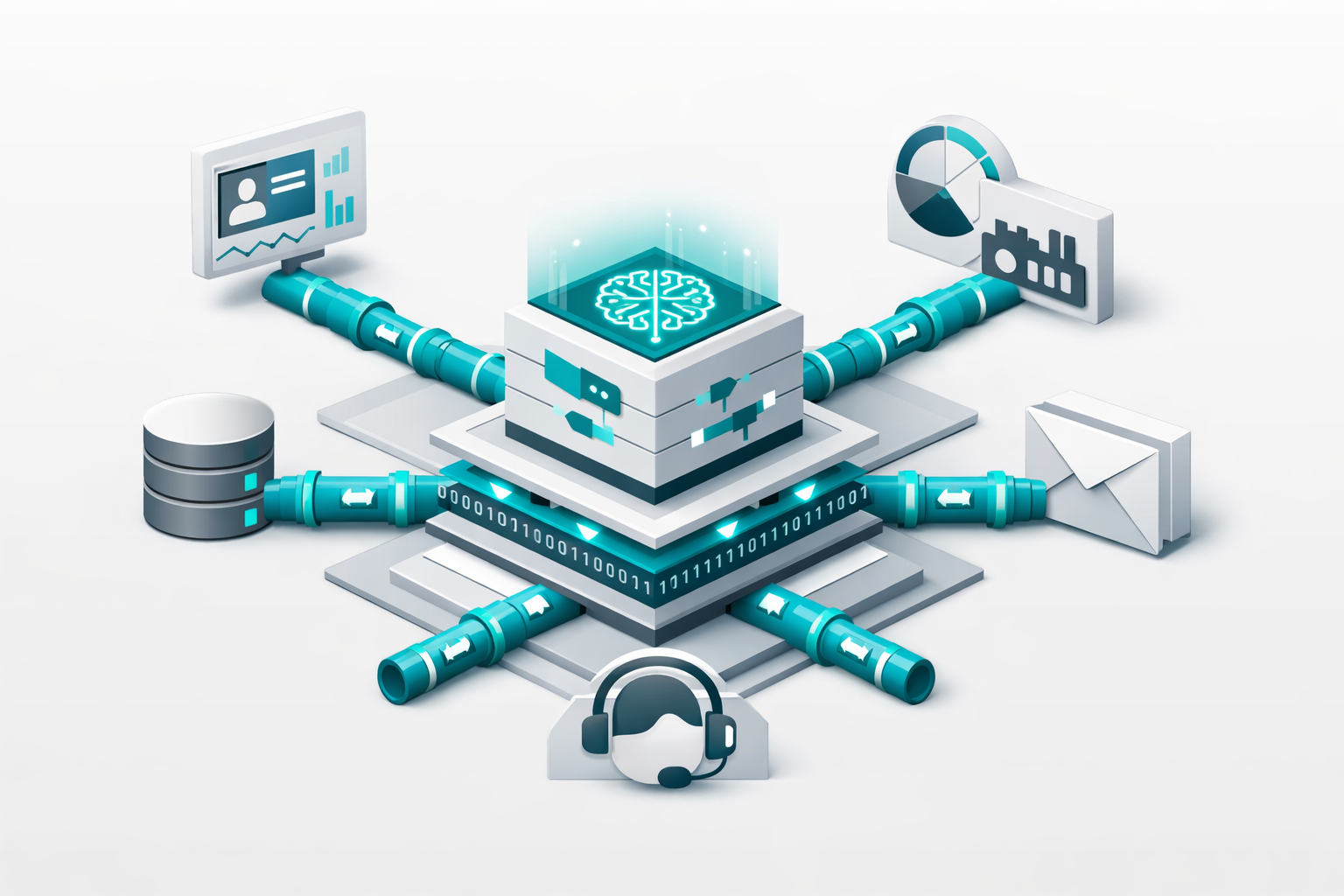
Architecture design follows the audit. We determine which systems connect, what data flows between them, what triggers the AI, and where the output lands. For Lakeview businesses, common integration architectures include: POS-to-marketing platform integrations that trigger personalized campaigns based on purchase history; scheduling platform integrations that trigger appointment reminders and follow-up communications; e-commerce integrations that generate product content automatically from product catalog data; and review platform integrations that queue AI-drafted responses for staff review.
Every integration is built with error handling, logging, and monitoring. If a connected system is temporarily unavailable, the integration queues the workflow rather than losing data. Your team can see what the integration has done and when, with full audit trails for businesses in regulated industries.
Industries We Serve in Lakeview
Fitness studios and wellness businesses using Mindbody, MINDBODY, or other studio management platforms benefit from AI integrations that automate member communication, generate class descriptions, create marketing content triggered by class enrollment patterns, and flag at-risk members for automated retention outreach without staff intervention.
Restaurants and bars using Toast, Square, or other POS systems benefit from AI integrations that generate marketing content based on menu data, draft responses to online reviews across Yelp and Google, create promotional emails triggered by Cubs game schedules, and analyze sales patterns to inform purchasing decisions.
Boutiques and specialty retailers using Shopify, WooCommerce, or other e-commerce platforms benefit from AI integrations that generate product descriptions from catalog data, create collection copy for seasonal marketing, automate personalized email recommendations based on purchase history, and draft social media content triggered by new inventory arrivals.
Healthcare and mental health practices using practice management software benefit from AI integrations that draft appointment reminder communications, generate intake form confirmation emails, and assist with documentation workflows within appropriate HIPAA boundaries and professional oversight requirements.
Professional service providers with CRM systems benefit from AI integrations that enrich new contact records with research, draft follow-up communications from meeting notes, and generate proposal language based on client discovery data.
What to Expect Working With Us
1. Integration audit. We audit your current AI usage and identify every point where humans are manually bridging AI tools and business systems. We document the time cost of each manual transfer and the quality inconsistency it creates.
2. Architecture design. We design the integration architecture: which systems connect, what data flows between them, what triggers the AI, and where the output lands. We confirm that integrations respect the data handling requirements of your specific industry before any development begins.
3. Build and test. Each integration is built with error handling, logging, and monitoring. We test with realistic data volumes and edge cases. Every integration is documented so your team can understand and maintain it.
4. Launch and monitoring. Integrations go live with monitoring that tracks data flow, error rates, and AI performance. We provide documentation, troubleshooting guidance, and a support period for questions that arise during the first weeks of operation.