How We Build AI Governance for Lakeview
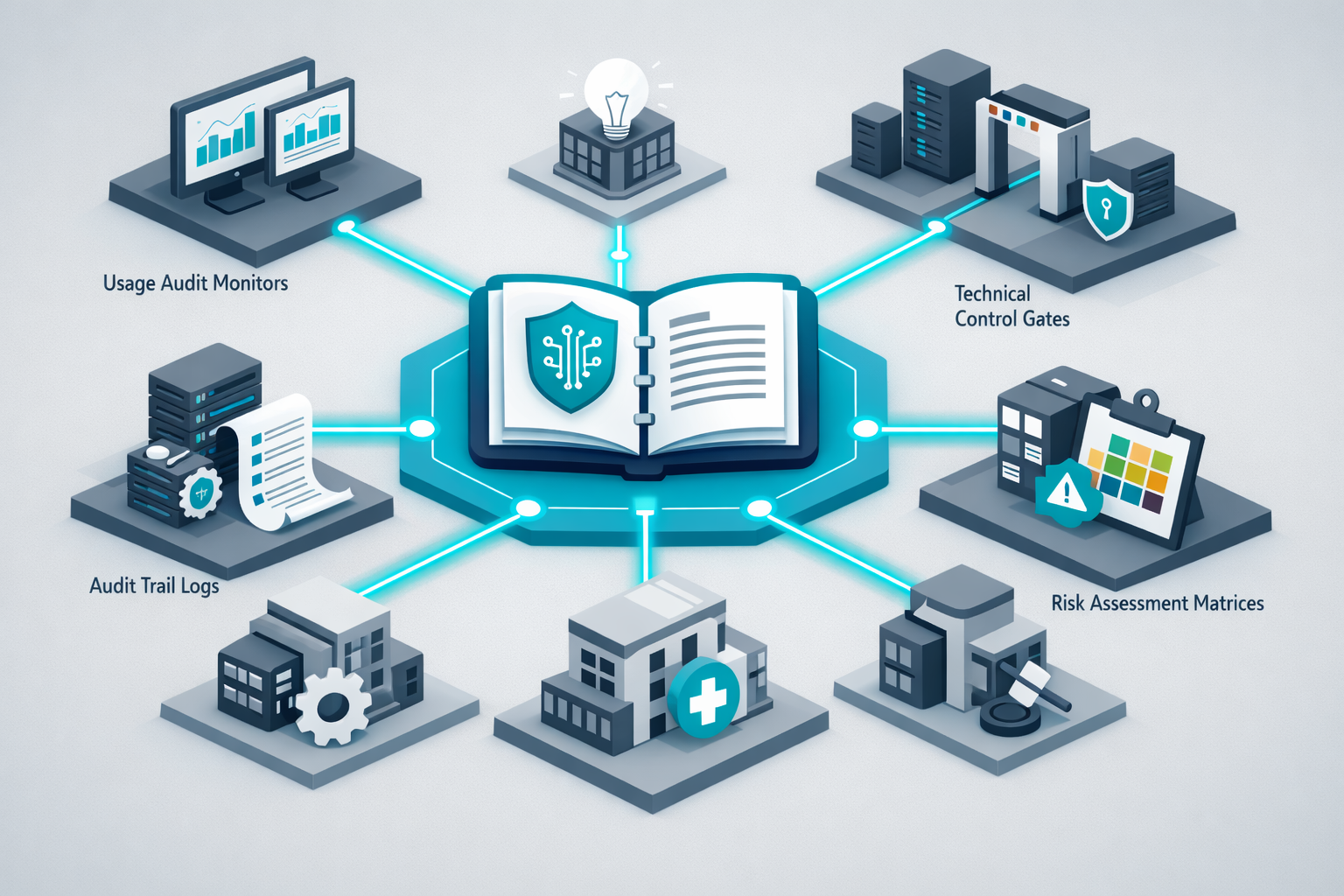
Every engagement begins with a comprehensive AI usage audit. We map every AI tool being used across your organization, by whom, with what data, and for what purposes. For most Lakeview businesses, this audit reveals a more complex AI landscape than leadership expected. Teams have adopted AI tools independently, sometimes using personal accounts with professional data, sometimes using tools with unclear data retention policies, sometimes using tools that your industry's regulators have specific guidance about.
From the audit, we build a risk assessment that maps each AI use case to the regulatory requirements, contractual obligations, and organizational risk tolerances that apply. This becomes the foundation for your AI governance framework: an acceptable use policy that defines which tools are approved and for what purposes, data classification rules that specify what information can and cannot be processed through AI tools, output review requirements that govern how AI-generated content is validated before use, and incident response procedures for addressing governance failures.
Policies without enforcement are suggestions. We implement technical controls that make governance real: data loss prevention rules that prevent sensitive client information from reaching unauthorized AI tools, approved tool lists, access controls, and logging that creates audit trails. For professional practices in Lakeview that face licensing board scrutiny, these audit trails are the documentation that demonstrates professional oversight of AI-assisted work.
Industries We Serve in Lakeview
Mental health and healthcare practices on Sheridan Road and throughout Lakeview need AI governance frameworks that protect patient information under HIPAA and state mental health privacy laws. The Center on Halsted and the mental health services affiliated with Lakeview's community organizations serve vulnerable populations whose privacy deserves rigorous protection when AI tools are involved in clinical work.
Financial advisors and wealth management practices in Lakeview East need AI governance that addresses SEC guidance on AI use in client recommendations, FINRA requirements for AI in broker-dealer contexts, and fiduciary obligations that extend to AI-assisted investment analysis. Client financial data entering AI tools without proper data handling agreements creates regulatory exposure.
Legal practices and independent attorneys serving Lakeview's resident and business population face professional responsibility obligations governing AI use in client matters. AI tools that process privileged information, AI-generated legal analysis presented as professional work product, and AI-assisted document review all require governance frameworks that address attorney-client privilege and professional competency standards.
Fitness studios and wellness businesses with member management systems and biometric capabilities, including check-in systems using facial recognition or fingerprint scanning, may face BIPA compliance obligations. AI tools used in marketing, member communications, or staffing decisions face additional Illinois regulatory considerations.
Boutiques and retail businesses using AI for customer personalization, email marketing, and inventory decisions need governance that addresses customer data privacy, marketing disclosure requirements, and proper data handling agreements with AI vendors.
What to Expect Working With Us
1. AI usage audit. We map every AI tool in use, by whom, with what data, and for what purposes. For most Lakeview businesses, this is the first time leadership sees the complete picture of AI adoption. The audit reveals both the opportunity and the risk.
2. Risk assessment and policy design. We build a risk assessment mapping each AI use case to applicable regulations and organizational risk tolerances. The governance framework includes acceptable use policy, data classification rules, output review requirements, vendor assessment criteria, and incident response procedures.
3. Technical controls. We implement data loss prevention rules, approved tool lists, access controls, and logging infrastructure that enforce governance technically, not just procedurally.
4. Training and governance structure. We train your team on the framework and help you establish the governance structure to maintain it as regulations and AI capabilities evolve. Your organization has the tools to manage AI governance independently going forward.