How We Build ADA Compliance for Lakeview
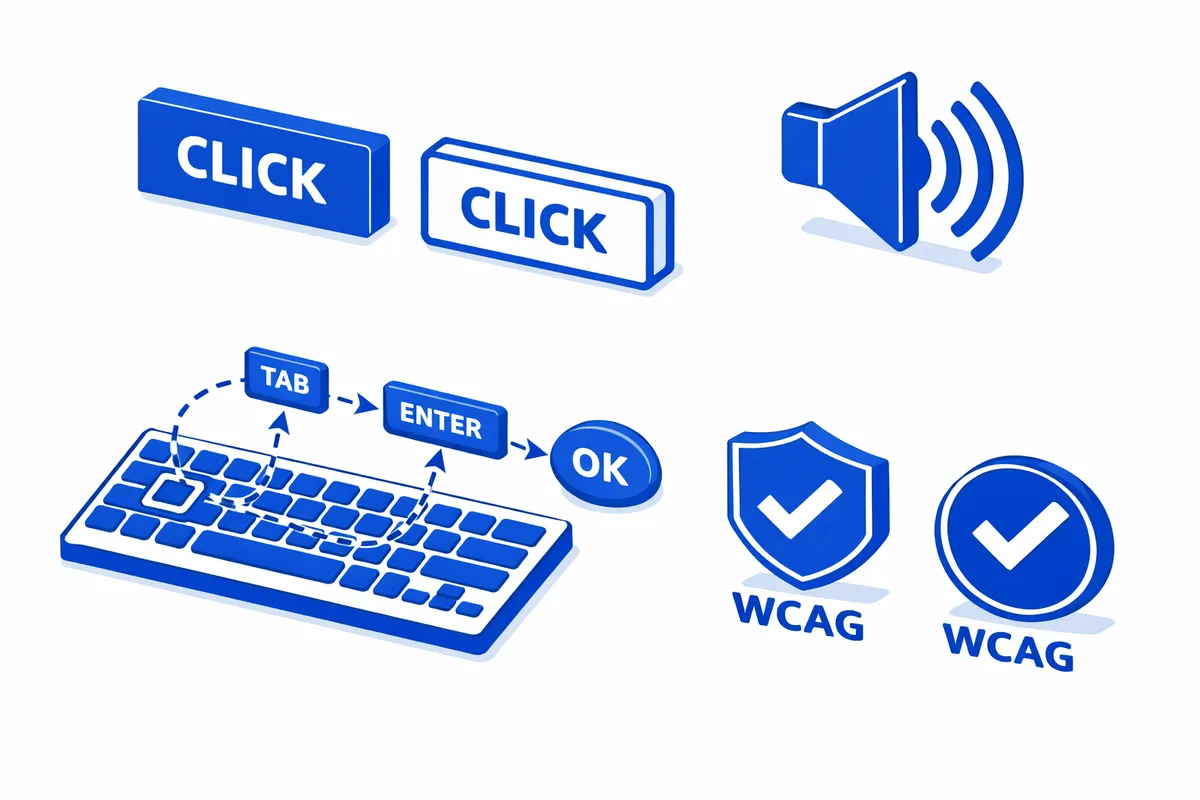
Our process starts with a full audit of your current website. Automated scanning with Axe, Lighthouse, and WAVE tools identifies the most common issues efficiently. Manual testing follows, which is where the real compliance work happens. Manual testing means navigating your full site using only a keyboard, testing every button, form, dropdown, and interactive element. It means testing with screen readers including NVDA and JAWS on Windows and VoiceOver on iOS and macOS, listening to how your content is read aloud and whether interactive elements are labeled and navigable correctly.
The audit report documents every issue with its exact location on the site, the specific WCAG 2.2 success criterion it violates, its severity (critical, major, or minor), and the specific code-level fix required. Critical issues that completely block screen reader users or keyboard navigation come first in the remediation priority order. The report serves both as a remediation roadmap and as evidence of good-faith compliance assessment if the site is ever challenged legally.
Remediation is done at the code level. We fix actual HTML, CSS, ARIA, and JavaScript, not overlay tools. Accessibility overlays have been repeatedly shown to fail screen reader users and have been rejected by courts as insufficient compliance evidence. Chicago plaintiffs' attorneys specifically target overlay-only remediation in their cases. Code-level remediation is the only approach that produces genuine accessibility and defensible legal compliance.
After remediation, we run a verification audit confirming all identified issues are resolved. For Lakeview businesses that want ongoing protection, we offer monthly automated monitoring to catch regressions as content and features are added, plus quarterly manual reviews for sites that change frequently.
Industries We Serve in Lakeview
Restaurants and nightlife venues in Wrigleyville and along Halsted need accessible online menus, reservation systems, and event pages. ADA litigation targeting restaurant websites has increased nationally, and Chicago's concentration of recognized dining and entertainment venues makes this a real exposure area. Accessible menus, reservation flows, and event listings protect against claims and serve every potential customer.
Fitness studios and wellness practices along Broadway, Belmont, and Southport need accessible class booking systems, member account portals, and marketing sites. Interactive booking components are among the most commonly inaccessible elements on wellness business websites, creating both legal exposure and genuine barriers for potential clients.
Boutiques and retail businesses on Southport Corridor and throughout Lakeview need accessible product browsing, cart, and checkout flows. E-commerce sites are among the most frequently targeted in ADA cases nationally because inaccessibility directly prevents a transaction. An accessible checkout protects revenue and protects against claims.
Healthcare and mental health practices serving Lakeview's population need accessible scheduling systems, patient portals, and health information resources. Federal Section 1557 requirements apply to healthcare organizations receiving federal financial assistance, which includes most medical practices that bill Medicare or Medicaid. Therapists and counselors serving clients with anxiety, depression, or trauma have particular reason to ensure their intake and scheduling processes do not create additional friction.
Community organizations and nonprofits in Lakeview serve populations with higher rates of disability and need digital tools that reflect genuine commitment to inclusion. Organizations associated with the Center on Halsted's community ecosystem have both ethical and legal reasons to maintain accessible digital presences.
What to Expect Working With Us
1. Audit and reporting. We review your site with automated tools first, then conduct thorough manual testing. You receive a complete audit report documenting every issue, its severity, its location, and its specific fix. The report is structured so your development team can work from it directly, or so we can.
2. Remediation. Code-level fixes in actual HTML, CSS, ARIA, and JavaScript. Every fix is tested before being marked complete. We do not use overlays. We document every change made.
3. Verification. After remediation, we run a full post-remediation audit confirming all issues are resolved. We deliver an updated accessibility statement for your website.
4. Ongoing compliance. Monthly automated monitoring catches regressions as new content is added. Quarterly manual reviews for sites that update frequently. Staff training materials so your content team does not introduce new issues as they continue building.