How We Build Multi-Agent Systems for Irving Park
We map the workflow that the business wants to automate, identifying every discrete step, the information each step requires, and how the output of each step feeds into the next. For a contractor's project estimation workflow, the steps include material cost research, comparable project analysis, draft proposal generation, and accuracy review. For a medical practice's patient follow-up workflow, the steps include appointment record retrieval, care plan documentation review, follow-up message drafting, and clinical accuracy review. Every step is defined precisely before any agent is built.
We build agents specialized for each identified step. A material cost research agent for the contractor knows which supplier databases and pricing sources to search, how to extract relevant pricing information from those sources, and how to format the findings for the drafting agent that will use them. A comparable project analysis agent knows how to identify similar historical projects, extract the relevant scope and pricing parameters, and summarize the patterns in a form that informs the new project estimate. Specialization is what makes individual agents effective. Each agent does one thing well rather than several things adequately.
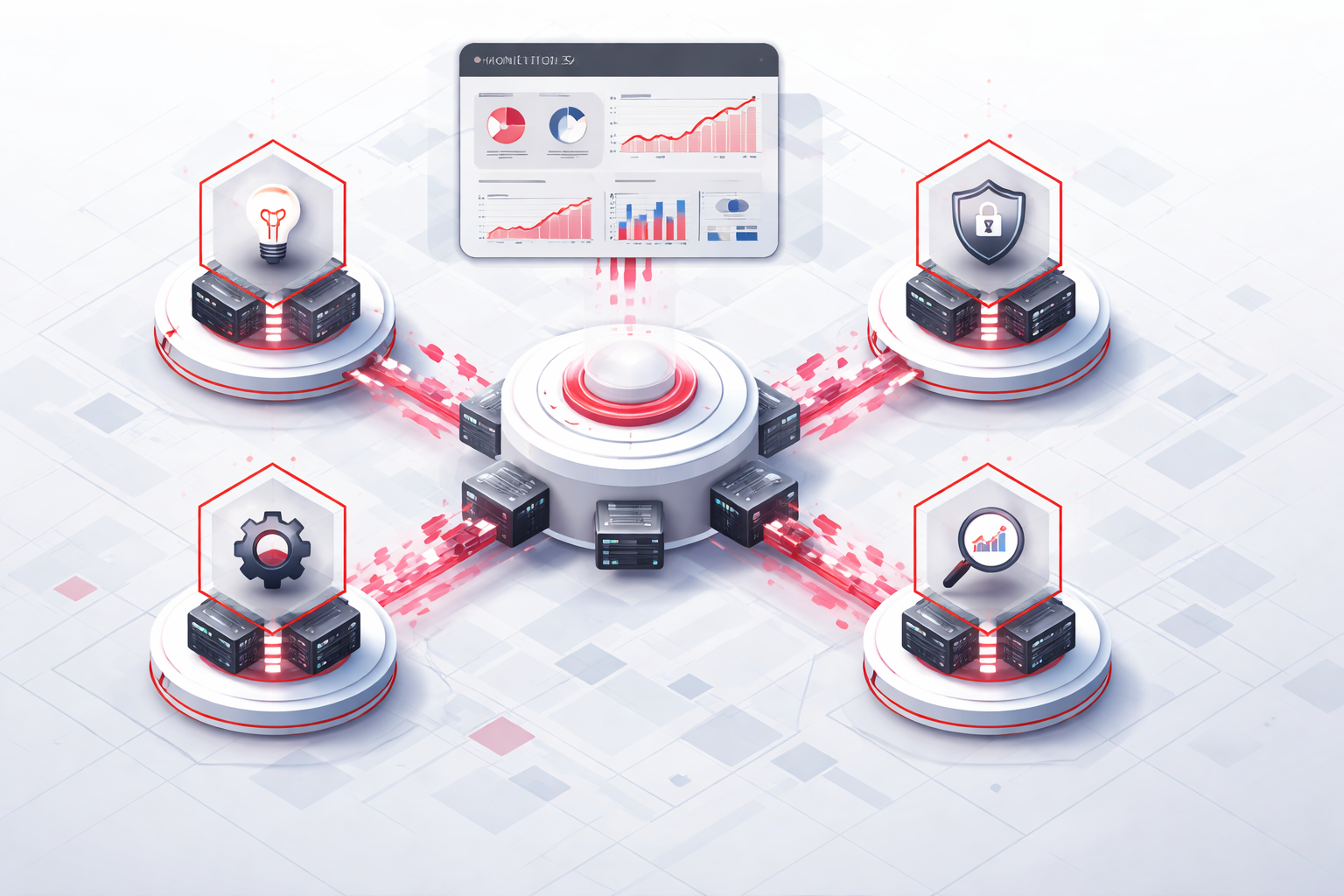
We implement an orchestration layer that coordinates the agents: passing outputs from one agent as inputs to the next, managing sequencing and timing, handling exceptions when an agent returns incomplete or uncertain results, and surfacing the final output to the business owner in the format they expect. The orchestration layer is where the workflow automation actually lives. Without it, individual agents are disconnected tools. With it, they form a coordinated system.
We test with real business examples before any deployment. A contractor's estimation agent system is tested against five to ten historical projects where the correct answer is known, verifying that the agent output is accurate enough to be useful as a starting point for the contractor's review.
Industries We Serve in Irving Park
Contractors and home services businesses on Montrose Avenue and throughout Irving Park use multi-agent systems to automate project estimation workflows. A research agent compiles current material costs and comparable project benchmarks. A drafting agent assembles a structured proposal from the research. A review agent checks the proposal against the project scope notes and flags inconsistencies. The contractor reviews and refines the output rather than building the estimate from scratch. Estimation time drops significantly while proposal quality and consistency improve.
Medical and dental practices on Pulaski Road and Irving Park Road use multi-agent systems to automate patient follow-up documentation and communication workflows. A retrieval agent pulls the appointment record and care plan documentation for each completed appointment. A drafting agent generates appropriate follow-up communication based on the care provided. A clinical review agent checks the communication against the care plan for accuracy. The practice produces consistent, thorough follow-up for every patient without manual drafting for each.
Professional service firms operating throughout Irving Park use multi-agent systems to automate new business preparation workflows. A prospect research agent compiles business information, recent news, and relevant market context for each new business meeting. An analysis agent identifies the prospect's likely needs and matches them to relevant case examples from the firm's history. A briefing agent assembles a meeting preparation document from the research and analysis. Partners arrive at every new business conversation better prepared.
Preschools and childcare centers near Athletic Field Park use multi-agent systems to automate enrollment inquiry follow-up workflows. A retrieval agent pulls inquiry details from the enrollment system. A drafting agent generates personalized follow-up communication based on the inquiry specifics. A review agent checks the communication for accuracy and tone. The director sees a full set of ready-to-send follow-up communications rather than a queue of inquiries awaiting individual responses.
Specialty food shops and retailers along Milwaukee Avenue use multi-agent systems to automate supplier ordering workflows. A demand analysis agent reviews recent sales velocity by product. A inventory level agent checks current stock against reorder thresholds. A draft order agent generates purchase orders for each supplier based on the analysis. The buyer reviews and adjusts the draft orders rather than compiling them from scratch.
Auto service shops along Elston Avenue use multi-agent systems to automate service estimate workflows. A vehicle history agent retrieves prior service records. A service recommendation agent generates recommended service items based on vehicle age, mileage, and history. A pricing agent assembles the estimate from current labor rates and parts costs. The service advisor reviews and presents the estimate rather than building it manually.
What to Expect Working With Us
1. Workflow mapping and agent design. We work with the business owner to map the target workflow at the step level, identify what each step requires and produces, and design the agent architecture that automates the workflow. We document the design and review it with the business before any development begins.
2. Agent development and orchestration implementation. We build each specialized agent and the orchestration layer that coordinates them. We test agents individually against representative examples, then test the full orchestrated workflow against end-to-end examples from the business's actual history.
3. Business owner review and calibration. We run the complete system against a set of real examples with the business owner reviewing the output and providing feedback on accuracy, completeness, and format. We refine agent behavior based on that feedback before deployment.
4. Deployment, monitoring, and ongoing refinement. We deploy the system and monitor output quality on real work. As the business identifies areas where agent output consistently requires the same type of adjustment, we update agent behavior to address those patterns. Multi-agent systems improve continuously as the team works with them.