How We Build Computer Vision for Irving Park
We begin by defining the visual analysis task precisely. What should the system look for? What are the categories of finding, and which categories require immediate action versus monitoring? A contractor's defect detection system needs to distinguish between cosmetic issues, structural concerns, and code compliance issues. A medical imaging support system needs to identify the specific findings relevant to the practice's specialty. An auto service vehicle inspection system needs to document condition categories that match the shop's service intake process.
Training data collection is the next phase. Computer vision systems learn from examples. We collect representative images showing the range of conditions the system needs to classify: examples of acceptable and defective work for contractors, examples of normal and abnormal findings for medical imaging, examples of good and poor condition for vehicle inspection, examples of fresh and aging produce for food retail. The quality and diversity of training data determines model accuracy. We work with the business to gather sufficient examples from their actual operations before any model is trained.
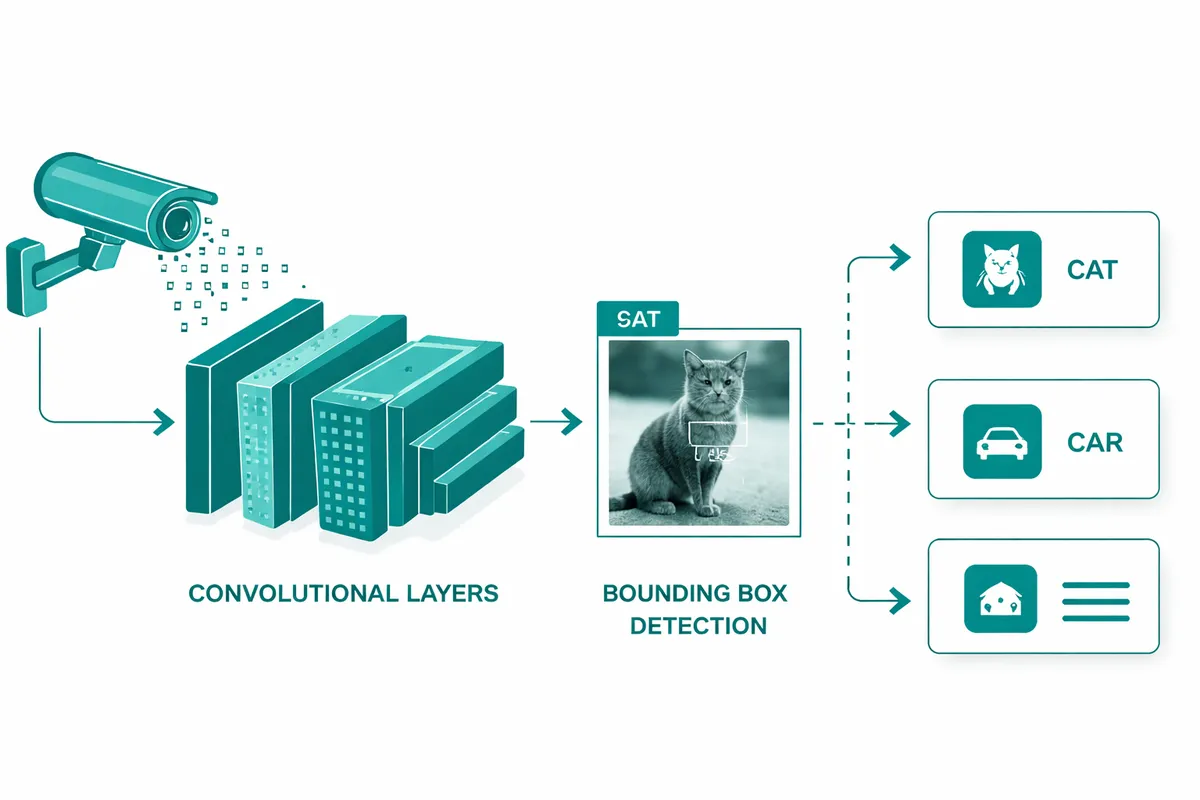
Model training and validation uses the collected data to build a classifier that generalizes from examples to new images the system has not seen before. We validate accuracy on held-out test images that were not used during training and report accuracy metrics that honestly characterize what the system can and cannot reliably detect. We do not deploy models that have not been validated against real business data.
Integration connects the vision system to the business's workflow. Contractors use a mobile app to photograph completed work and receive defect analysis within minutes. Medical practices use a DICOM-compatible interface that integrates with existing imaging infrastructure. Auto service shops use a tablet at the service drive to photograph vehicles at intake and generate condition reports. The integration is designed for the workflow it needs to fit rather than requiring staff to change how they operate to accommodate the technology.
Industries We Serve in Irving Park
Contractors and home services businesses on Montrose Avenue and throughout Irving Park use computer vision for pre-final inspection analysis that identifies defects in workmanship, installation quality, and surface finish before the customer walkthrough. Contractors catch issues when correction is still straightforward rather than after the customer has already seen them. Project documentation becomes systematic rather than selective.
Dental practices on Irving Park Road and Pulaski Road use computer vision as a diagnostic support tool for radiograph and intraoral image analysis. AI-assisted analysis identifies findings that warrant clinical attention, supports documentation of diagnostic reasoning, and over time can be trained on the specific image characteristics most relevant to each practice's patient population and case mix.
Auto service shops along Elston Avenue and Pulaski Road use computer vision for vehicle condition documentation at intake and delivery. Systematic photographic documentation of vehicle condition at check-in, with AI-assisted damage and wear classification, creates a defensible record that protects the shop in pre-existing damage disputes and provides a professional customer experience that many Irving Park customers appreciate.
Specialty food shops and grocery retailers along Milwaukee Avenue use computer vision to monitor produce quality and shelf presentation throughout the day. AI image analysis of regular shelf photos identifies produce showing early signs of spoilage, empty shelf sections, and presentation that does not meet the shop's standards, allowing staff to address issues before they affect customers rather than during end-of-day review.
Preschools and childcare centers near Athletic Field Park use computer vision for facility safety inspection, identifying maintenance issues in classrooms and play areas through regular photographic monitoring that catches issues between scheduled staff inspections.
Family restaurants near Gompers Park and Irving Park Road use computer vision for food safety monitoring in kitchen and prep areas, including temperature compliance verification through smart sensor image analysis and food presentation quality review for consistency before plates leave the kitchen.
What to Expect Working With Us
1. Use case definition and training data planning. We work with the business to define exactly what the vision system should identify, design the data collection process for gathering training examples, and establish the accuracy requirements that the system must meet before deployment.
2. Data collection and model training. We guide the business through collecting representative training images from their actual operations, train the computer vision model on that data, and validate accuracy on held-out examples that were not used during training.
3. Integration development and workflow testing. We build the interface the business will use to submit images and receive analysis, integrate with existing systems where applicable, and test the complete workflow with real business cases before deployment.
4. Deployment, monitoring, and continuous improvement. We deploy the system and monitor accuracy on real business data. As the business encounters edge cases the system does not handle well, those cases become additional training data that improves the model continuously over time.