How We Build Autonomous Workflow Agents for Irving Park
The starting point for every Irving Park deployment is the operational calendar: what tasks repeat daily, weekly, or monthly, and who is currently responsible for each one. Contractors tend to have the most varied calendar because the workflow changes by project phase: estimate, proposal, acceptance, scheduling, procurement, progress, punch list, invoice, follow-up. Each phase has tasks that benefit from automation.
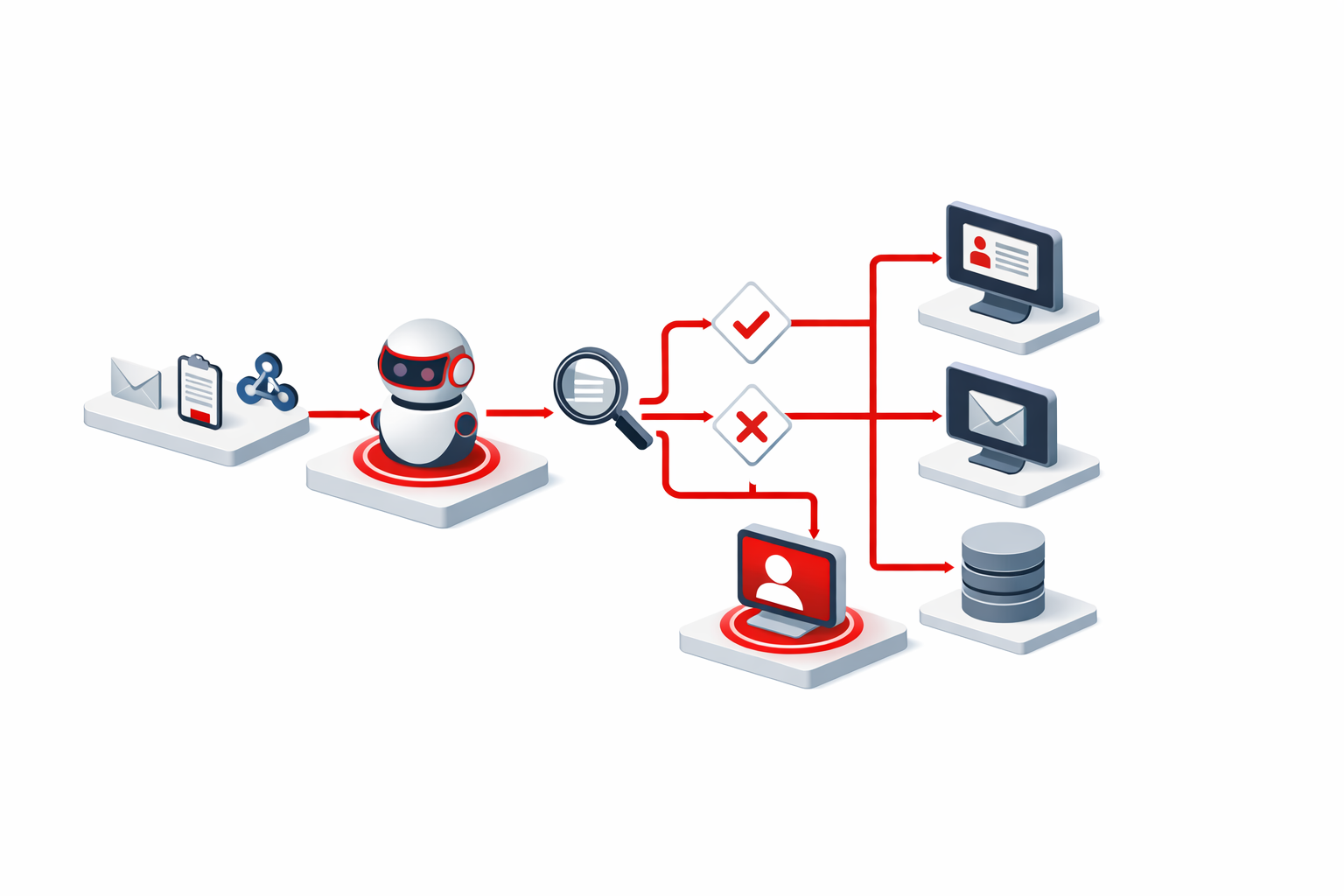
We map the trigger for each task. An estimate request triggers a response acknowledgment and a calendar placeholder for the estimate visit. A signed proposal triggers a project scheduling workflow. A completed project triggers the invoice and the follow-up satisfaction check. Each trigger-to-action pair becomes a workflow the autonomous agent executes without waiting for a human to initiate it.
Irving Park's small business culture means that the agents must represent the business's voice accurately. A contractor's follow-up message should sound like the contractor's follow-up message, not like a generic CRM template. We configure agent outputs to match each business's communication style, using samples from their existing messages, emails, and invoices as the basis for agent output formatting.
Integration with existing tools is a priority. Most Irving Park service businesses already use scheduling software, invoicing tools, and some form of CRM or contact management. We connect autonomous agents to those existing tools rather than requiring businesses to migrate to new platforms. The agent operates inside the tool the business already uses, adding automation at the task level without replacing the system the owner and staff are comfortable with.
Industries We Serve in Irving Park
Contractors and home service businesses working across Irving Park's bungalow stock and the broader Northwest Side use autonomous workflow agents to automate the full job cycle: estimate request response, proposal follow-up, scheduling, material procurement notifications, progress updates, invoice delivery, and post-job satisfaction follow-up. Contractors on Elston Avenue whose referral business depends on consistent follow-through find that autonomous agents eliminate the administrative gaps that cost them reviews and repeat business.
Auto service shops along Milwaukee Avenue and Central Avenue use autonomous agents to send service status updates, notify customers when their vehicle is ready, follow up on declined services with maintenance reminders, and send seasonal outreach about oil changes and tire rotations. The shop near Independence Park that customers choose over a national chain does so on familiarity and service quality. Autonomous agents maintain that familiarity even as the shop grows.
Medical and dental practices in Irving Park's residential corridors use autonomous agents for appointment reminders, insurance pre-verification requests, post-visit care instructions, and annual recall communications for patients due for cleanings, physicals, or follow-up appointments. The practice near Gompers Park that consistently reminds patients of upcoming appointments and follows up after visits retains those patients for decades.
Family restaurants near Irving Park Road and Montrose Avenue use autonomous agents for reservation management, waitlist communication, event inquiry responses, and catering request follow-ups. A restaurant handling a Saturday dinner service and a Sunday brunch simultaneously cannot manually manage both the in-person floor and the digital inquiry queue. Autonomous agents manage the digital queue while the staff manages the floor.
Preschools and childcare programs near Athletic Field Park and Horner Park use autonomous agents for enrollment inquiry responses, waitlist management, parent reminder communications, tuition billing notifications, and program calendar updates. These businesses operate on thin margins, and administrative automation allows owners to allocate staff time to programming rather than paperwork.
Specialty food shops along the Irving Park Road corridor use autonomous agents for online order processing, pickup schedule confirmations, supply availability notifications for pre-orders, and loyalty customer communications around seasonal offerings. Shops competing with large delivery platforms on character and selection need to maintain the same operational reliability without the same back-office staff.
What to Expect Working With Us
1. Workflow audit and task mapping. We document every repeating task in your business operations, identify the trigger for each one, and design the autonomous agent workflow that handles it. For Irving Park contractors and service businesses, this audit often reveals fifteen to twenty automatable tasks that are currently handled manually across the week.
2. Configuration and integration. We configure each autonomous agent with your business's specific decision rules, communication templates, and system connections. The agent uses your voice, follows your policies, and operates inside your existing tools rather than requiring a new platform.
3. Testing with real scenarios. We test every agent workflow against the realistic scenarios your business encounters, including edge cases where a customer's request does not follow the standard pattern. Irving Park service businesses encounter plenty of non-standard situations, and agents need to handle them gracefully rather than failing silently.
4. Launch and ongoing improvement. We launch the agents, monitor their outputs during the first two to four weeks, and refine their behavior based on real operational feedback. Autonomous agents improve over time as we accumulate data about the situations they handle well and the ones that need refinement.