How We Build API Integration Services for Irving Park
Our process begins not with a technology audit but a workflow audit. We ask your team to walk us through a typical workweek: where does information come in, what happens to it, and who touches it between arrival and resolution. For a specialty food shop near Independence Park, that might mean tracing a wholesale order from the supplier portal through receiving, inventory update, and accounts payable. For a contractor, it might mean following a new lead from the contact form through estimate, job scheduling, crew dispatch, and final invoice. Those walkthroughs reveal the manual bridges that hold the operation together, and those bridges are what we replace with integrations.
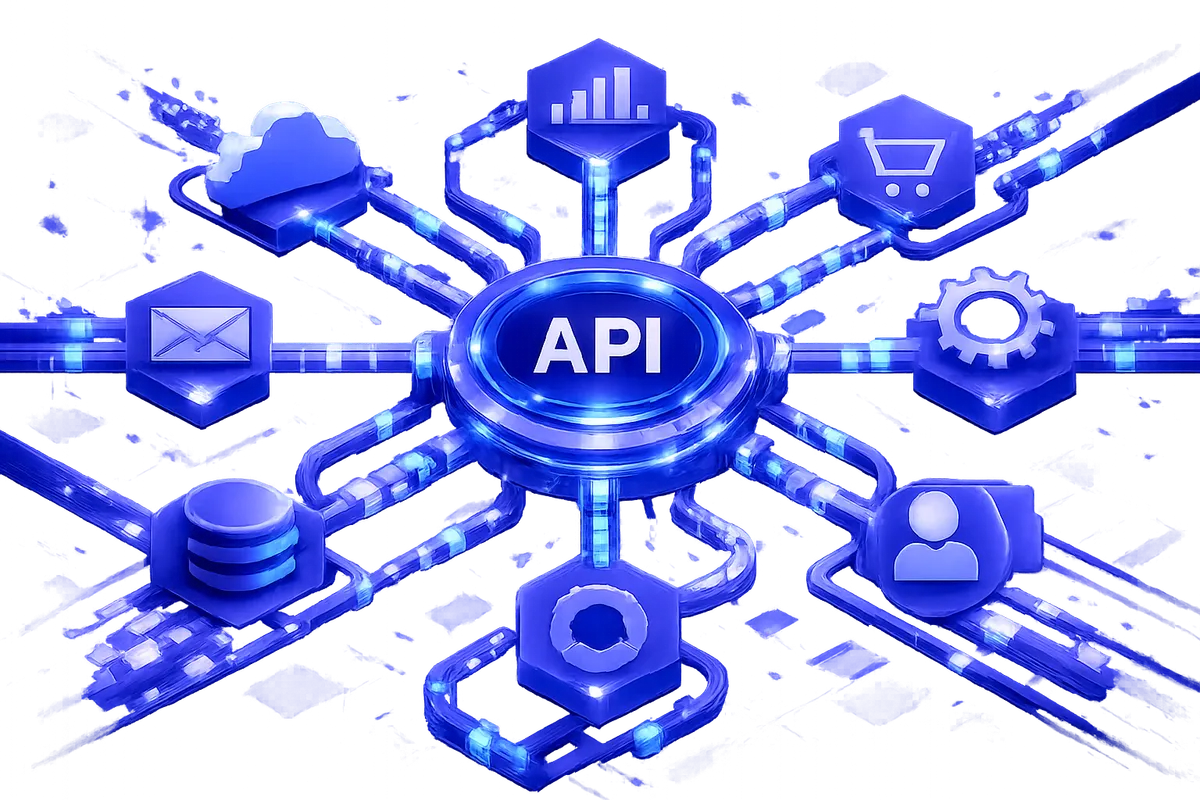
We then map each connection point, identify whether native integrations exist between the tools involved, and scope the build. Where vendors provide API documentation, we use it directly. Where documentation is sparse or the connection requires custom middleware, we build it ourselves. We do not recommend integration platforms that add a third subscription layer for connections that a clean direct API build can handle more reliably.
For businesses along Irving Park Road that have been operating the same way for a decade, we also spend time on change management. The integration is only valuable if your team trusts it. We run the automated pipeline in parallel with your existing manual process long enough for your staff to confirm the outputs match what they expect. That parallel period removes the fear that the automation will silently drop something important.
Industries We Serve in Irving Park
Family restaurants and catering operations on Irving Park Road take reservations through one platform, manage staff scheduling in another, and track inventory separately. Connecting those systems means reservation confirmations update staffing forecasts automatically, and high-reservation weeks trigger ingredient reorder alerts before the weekend arrives.
Auto service centers and repair shops along Pulaski Road use shop management software that was not designed to integrate with the SMS and email tools they now use for customer communication. An integration between those platforms means repair status updates go out automatically when a technician closes a work order, without a service writer stepping away from the counter to send them individually.
Preschools and early childhood programs serving the working families of Irving Park typically use separate platforms for enrollment, parent billing, and daily communication. When an enrollment form submission triggers an automatic billing record and a welcome message from the same event, administrative staff stop spending Monday mornings manually connecting those dots.
Medical and dental practices near Gompers Park often have electronic health records that do not share data with their patient communication tools. An integration that surfaces upcoming appointments in the communication platform means reminder sequences run automatically, and no-show rates drop without anyone building a manual list each morning.
General contractors and residential remodelers off Elston Avenue win jobs and lose efficiency when their estimating software, project management tools, and accounting system each hold a partial version of the same project. Integration connects those systems so a signed estimate creates a project record and a deposit invoice in one automated sequence.
Specialty food shops and ethnic grocers on Montrose Avenue who sell through both a retail storefront and online channels need those inventory systems synchronized. A sale on the website that draws down shelf stock without updating the in-store system leads to the exact kind of customer disappointment that is hard to recover from in a neighborhood where word-of-mouth still drives traffic.
What to Expect Working With Us
1. Workflow mapping before any tooling decisions. We document how your business actually moves information today, not how it theoretically should. That map identifies the highest-friction handoffs and gives us a clear integration priority list before we scope any work or quote any timeline.
2. Direct integrations, no unnecessary middleware. We connect your tools using native APIs wherever vendor documentation allows. For businesses on Montrose Avenue that have invested in specific platforms and want them connected without adding another subscription layer, that approach keeps the integration cleaner and less dependent on third-party uptime.
3. Parallel testing with your team validating outputs. Before we turn off the manual process, your team runs both the old way and the new way simultaneously for two weeks. You verify that the automated output matches what you would have entered by hand. Only after your sign-off does the manual bridge come down.
4. Training and documentation matched to your team. A dental practice front desk and a contractor dispatcher have different needs and different technical comfort levels. We write documentation and run training sessions that match your team's actual context, not a generic software manual.