How We Build Multi-Agent Systems for Hyde Park
Every multi-agent engagement begins with workflow mapping. We trace your target process from initial trigger through every decision point, branching path, data dependency, and final output. For Hyde Park's research and academic clients, this mapping captures the institutional review requirements, quality checkpoints, and approval hierarchies that govern how the process must operate. For clinical workflows, it captures the compliance requirements and audit trail expectations that regulated healthcare environments impose.
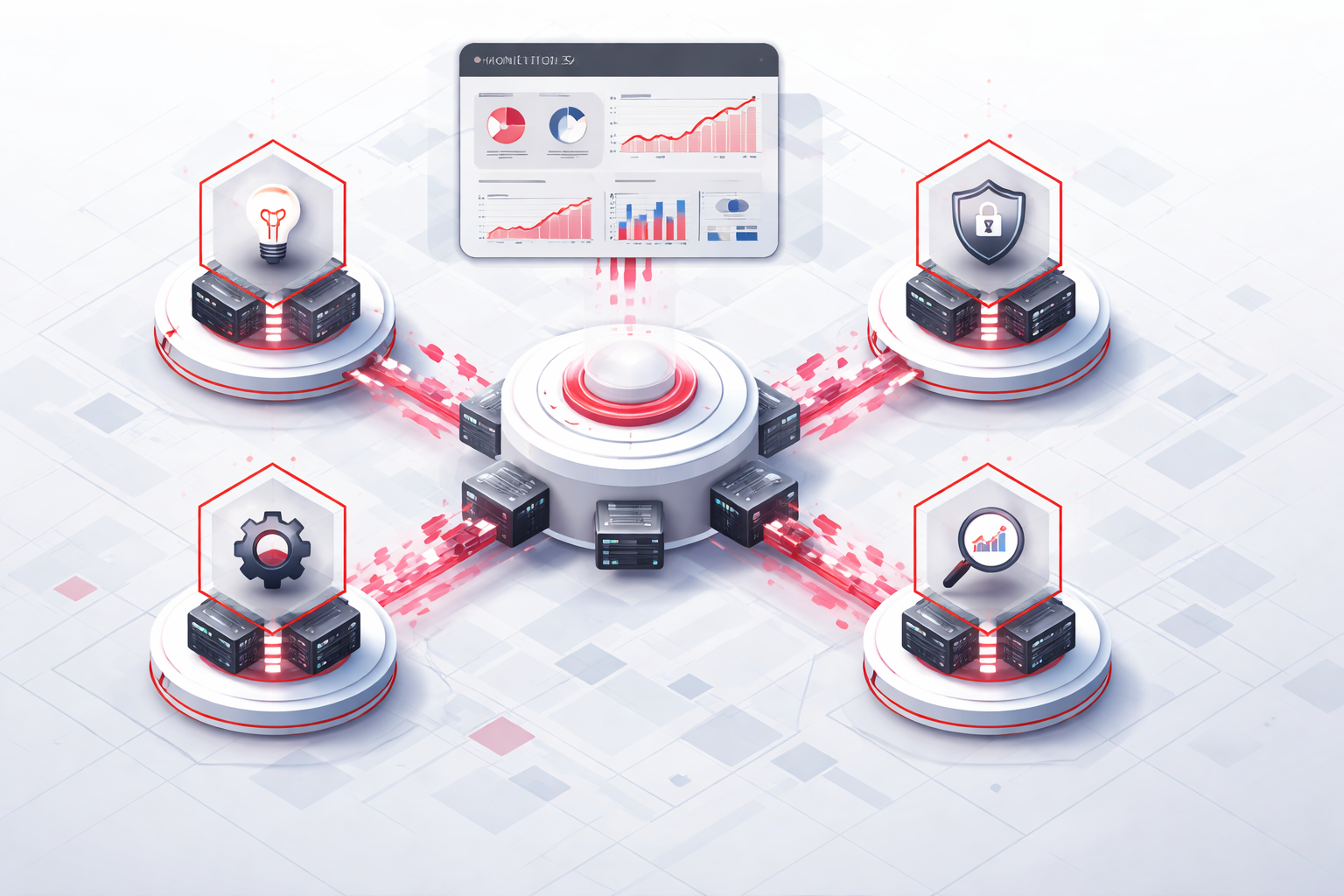
Agent architecture follows from the workflow map. Each agent receives a defined role, specific tools, and explicit contracts with the other agents it interacts with. An orchestration layer handles sequencing, manages dependencies between agents, implements retry logic when individual agents encounter errors, and enforces quality thresholds before allowing outputs to progress through the workflow.
For Hyde Park's academic and research contexts, we select frameworks based on the specific requirements of each engagement. The Claude Agent SDK for Anthropic-native systems where natural language understanding is central to the workflow. LangGraph for complex stateful workflows where the execution graph needs explicit branching and state management. CrewAI for role-based agent teams where the analogy to human team coordination directly maps the workflow structure.
Testing for Hyde Park organizations includes compliance-scenario coverage for regulated workflows and edge-case coverage for research workflows where unusual inputs are a routine occurrence. Academic and research datasets contain the unexpected: incomplete submissions, non-standard formats, interdisciplinary materials that span multiple classification categories. Our testing specifically targets these edge cases rather than treating them as exceptional.
Industries We Serve in Hyde Park
Academic research organizations and UChicago research centers use multi-agent systems to automate grant processing workflows, literature synthesis pipelines, research data quality checks, and the coordination of multi-investigator study administration that currently requires sustained human attention at every handoff.
Polsky Center startups and academic ventures build multi-agent systems as core operational infrastructure for their service delivery workflows, enabling the kind of automation that allows small teams to handle volumes that would otherwise require substantially larger headcounts.
UChicago Medicine and affiliated healthcare organizations use multi-agent systems to coordinate patient intake, prior authorization, referral management, and clinical documentation workflows across the administrative layer of their operations, freeing clinical staff to focus on patient care rather than administrative coordination.
Nonprofits and community organizations in Hyde Park use multi-agent systems to automate grant reporting, program outcome documentation, and community engagement workflows that currently require significant staff time for coordination tasks with limited direct service value.
Professional services firms serving the Hyde Park academic and hospital community automate research workflows, client intake, document processing, and communication sequences through multi-agent architectures that maintain consistent quality across variable input volumes.
What to Expect Working With Us
1. Discovery and workflow mapping. We map your target workflow end to end, documenting every decision point, data dependency, handoff, and quality checkpoint. For Hyde Park's regulated and compliance-sensitive organizations, this mapping includes the compliance requirements that constrain how each step must operate. The workflow map becomes the architectural blueprint.
2. Architecture and agent design. We design each agent's role, tools, and coordination contracts. The orchestration layer design addresses branching logic, retry strategies, and quality thresholds. For research and academic workflows, we design the quality checkpoints that ensure outputs meet the accuracy standards the workflow requires before proceeding.
3. Build and testing. We build and test each agent individually, then integrate them into the full orchestrated system. End-to-end testing covers standard paths and the edge cases that Hyde Park's research and academic inputs are likely to generate. For regulated workflows, testing includes compliance scenario coverage.
4. Phased deployment and expansion. We deploy incrementally, beginning with routine cases under human oversight. As confidence builds in each agent's performance and the orchestration layer's coordination, we expand autonomy. Monthly reviews identify optimization opportunities and new workflow candidates for automation.