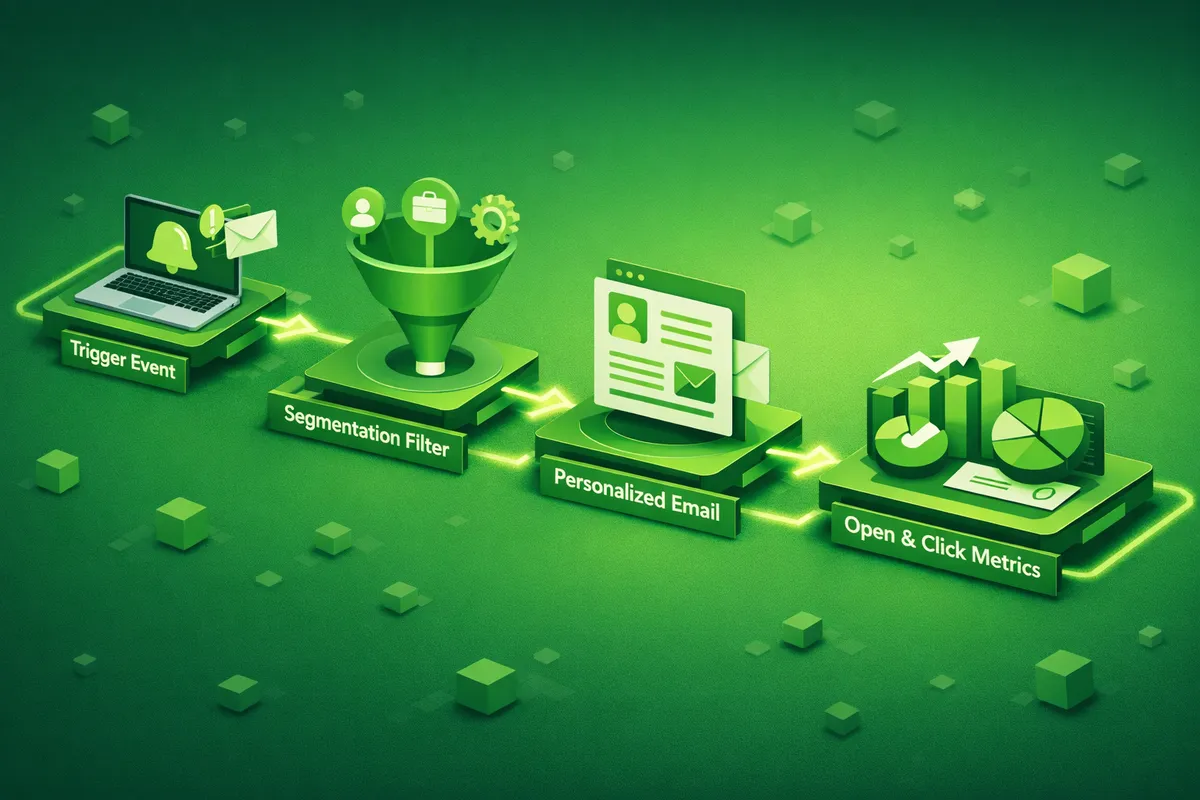
Email Marketing in Hyde Park
Email Marketing for businesses in Hyde Park, Chicago. We know the neighborhood, the customers, and what it takes to compete locally.

List Building for Hyde Park Businesses
Academic Community Capture
The university community is Hyde Park's most valuable email audience, but reaching it requires approaches tailored to how this community operates. Faculty and graduate students do not sign up for promotional mailing lists. They subscribe to content that enriches their intellectual life or solves a practical problem.
A bookstore builds its list by offering a "Faculty New Releases" email that curates books by discipline, letting a political science professor see new releases relevant to their field without browsing the entire store. This targeted utility drives subscription because it saves the professor time while connecting them to books they would want to know about. The subscription form asks for department affiliation, enabling segmentation that makes every email more relevant.
A restaurant near campus builds its list through its catering service. Faculty who order catering for department events, visiting speaker dinners, and lab group celebrations are captured in a catering-specific email segment. The follow-up sequence includes menu planning guides for academic events, seasonal catering menus, and a booking calendar that aligns with the academic schedule. This segment generates the highest per-subscriber revenue because academic catering budgets are consistent and recurring.
A cafe near the library builds its list through its loyalty program, offering a free drink after every tenth purchase. The loyalty program captures email at registration and segments by visit frequency and typical purchase. High-frequency subscribers (daily visitors) receive minimal emails focused on new menu items and seasonal offerings. Moderate-frequency subscribers receive weekly emails designed to increase visit frequency with specific day-of-week promotions.
Residential Community Capture
Hyde Park's residential community, including the families and professionals living in Kenwood and the blocks surrounding campus, builds email lists through different channels than the university population. Local service businesses capture emails through appointment bookings and service inquiries. Restaurants capture through reservation systems and post-visit follow-ups. Retail businesses capture through in-store purchases and event sign-ups.
The key to residential list building is demonstrating neighborhood commitment. A "Hyde Park Weekly" email that aggregates neighborhood news, business updates, community events, and local recommendations alongside the business's own content earns subscriber loyalty because it provides genuine community value. The business content is embedded within a broader newsletter that residents find useful, which maintains open rates that pure promotional emails cannot achieve.
Museum Visitor Capture
Businesses near the Museum of Science and Industry can capture email from visitors through specific offers: a post-museum dining discount, a "what to do next in Hyde Park" guide, or a coupon for a return visit. These captures create a list of visitors who have demonstrated willingness to spend time in Hyde Park and can be nurtured into repeat visitors through emails that highlight the neighborhood's broader offerings.
Automation Sequences for Hyde Park
The Academic Welcome Sequence
When a new university community member subscribes, they receive a five-email sequence over three weeks that introduces them to the business and the broader neighborhood. Email one welcomes them and provides practical information (hours, location, what to expect). Email two shares the business's connection to the university community, including notable customers, campus partnerships, and academic events hosted at the business. Email three recommends three other Hyde Park businesses the subscriber should know about, positioning the sender as a neighborhood guide. Email four offers a first-visit incentive. Email five invites the subscriber to an upcoming event or introduces the content series they will receive going forward.
This sequence works because new university community members are actively exploring their neighborhood during their first weeks, and an email that helps them navigate Hyde Park earns goodwill that translates into long-term patronage.
The Reading List Sequence
For bookstores and culturally oriented businesses, a recurring email series that curates reading, listening, or viewing recommendations aligned with the audience's intellectual interests creates a content asset that subscribers value and share. Each edition features a curated recommendation with substantial commentary explaining why this work matters, who it is for, and how it connects to current conversations.
The power of this sequence lies in its positioning of the business as a cultural curator rather than a retailer. A bookstore that sends a monthly "what to read" email with thoughtful commentary builds an identity as the place where interesting people get their recommendations. This identity is worth far more than any discount-driven campaign because it creates the kind of loyalty that survives competition and economic fluctuations.
The Seasonal Academic Calendar Sequence
An automated sequence timed to the academic calendar serves Hyde Park businesses that depend on university-driven traffic. Two weeks before fall quarter starts, an email welcomes returning students and faculty with new menu items, new inventory, or new services. The week before finals, an email promotes extended hours, study fuel specials, or stress-relief services. Before commencement, an email promotes celebration dining, gift options, and family-friendly offerings.
This calendar-based automation ensures that the business's messaging aligns with the rhythms that govern Hyde Park's commercial activity. The emails arrive when the audience is making decisions about where to spend time and money, and they provide specific, timely reasons to choose this business.
The Neighborhood Explorer Sequence
For subscribers captured from the Museum of Science and Industry or other visitor sources, an automated sequence converts a single visit into a repeat relationship. Email one thanks them for visiting and suggests two or three businesses to try on their next Hyde Park trip. Email two, sent two weeks later, shares a "perfect day in Hyde Park" itinerary that includes the sender's business alongside other neighborhood highlights. Email three, sent a month later, promotes a specific upcoming event or seasonal experience that gives the visitor a reason to return.
This sequence works because Hyde Park is a destination that rewards repeat visits. First-time visitors who came for the museum often do not realize the depth of the neighborhood's dining, shopping, and cultural offerings. The email sequence expands their awareness and gives them specific reasons to come back.
Seasonal Email Strategy for Hyde Park
Fall is Hyde Park's peak season. The return of the university community in October creates a surge of energy and spending that lasts through November. Email campaigns should welcome returning community members, promote new offerings, and build momentum for the holiday season. Fall content themes include new semester beginnings, harvest-inspired menus, and the golden beauty of Jackson Park's autumn foliage.
Winter brings a quieter but committed audience. The students and faculty who remain through Chicago's winter are the most loyal segment of Hyde Park's customer base. Email campaigns should focus on comfort, community, and the cozy warmth of indoor gathering spaces. Holiday gift guides, seasonal menus, and winter event programming drive revenue during the colder months. January through March email content should focus on the spring quarter pipeline: new course-related book lists, seasonal menu transitions, and early spring events.
Spring and early summer bring the academic year's culmination. Commencement weekend in June is a major commercial moment, and email campaigns building toward graduation celebrations, family dining, and gift shopping should begin in April. Post-commencement, summer emails shift to serving the residential community and visitors, with lighter frequency reflecting the reduced population.
Frequently Asked Questions
The university determines the rhythms of Hyde Park's commercial life. Email marketing must align with the academic calendar: aggressive during the school year, strategic during breaks, and targeted during transitional moments like quarter starts and commencement. The audience's intellectual expectations also matter. Email content that is substantive and well-written earns engagement that promotional content does not. Hyde Park subscribers read emails. They do not just scan for discounts. This creates an opportunity for content-driven email marketing that builds deeper customer relationships than most neighborhoods support.
Weekly emails during the academic year (October through June) and biweekly during summer maintain engagement without overwhelming subscribers. Bookstores and content-driven businesses can send more frequently if every email delivers genuine intellectual value. Restaurants should supplement regular newsletters with targeted automation emails timed to specific occasions (finals week, commencement, visiting speaker seasons). The key metric is not unsubscribe rate but open rate trend. If open rates are stable or increasing, the frequency is working.
Students check email frequently because their academic life runs on it. The challenge is standing out in an inbox full of university communications. Subject lines that reference campus life, academic milestones, or student-specific offers cut through the noise. Time-sensitive content (tonight's study special, this week's new books by department, Friday happy hour before the weekend) drives action from an audience that makes decisions quickly. Capture student emails at the point of first purchase and segment them separately from the residential and faculty audiences to deliver age-appropriate, student-relevant content.
Hyde Park restaurant emails should include more narrative content than a typical restaurant newsletter. The audience appreciates learning about ingredient sourcing, culinary traditions, chef backgrounds, and the cultural context of the cuisine. A Hyde Park restaurant email that tells a story alongside the menu update earns higher engagement than one that simply lists specials. Catering-focused email sequences targeting the university event market are particularly valuable because they capture recurring institutional spending.
Hyde Park's reading-oriented audience produces above-average open rates (28-35% is typical for well-executed campaigns) and above-average click-through rates because subscribers who open emails tend to read them thoroughly. Content-driven email series (book recommendations, curated cultural guides) see even higher engagement, with open rates exceeding 40% for the best-performing series. Revenue per subscriber varies by business type: bookstores see $20-35 per subscriber per quarter, restaurants see $15-25 per subscriber per month, and service businesses see the highest per-subscriber value from catering and recurring appointment segments.
Summer emails should reduce frequency (biweekly instead of weekly) and shift content toward the residential community and visitor audiences that remain active during summer months. Museum of Science and Industry visitor emails should increase as summer brings peak museum attendance. Feature summer-specific content: outdoor dining, Jackson Park activities, and neighborhood events that attract the summer audience. Use the quieter summer months to clean email lists, test new formats, and prepare automation sequences for the fall return. [Learn more about our email marketing services across Chicago](/chicago/email-marketing) [Explore our work in Hyde Park](/chicago/hyde-park)
Ready to get started in Hyde Park?
Let's talk about email marketing for your Hyde Park business.