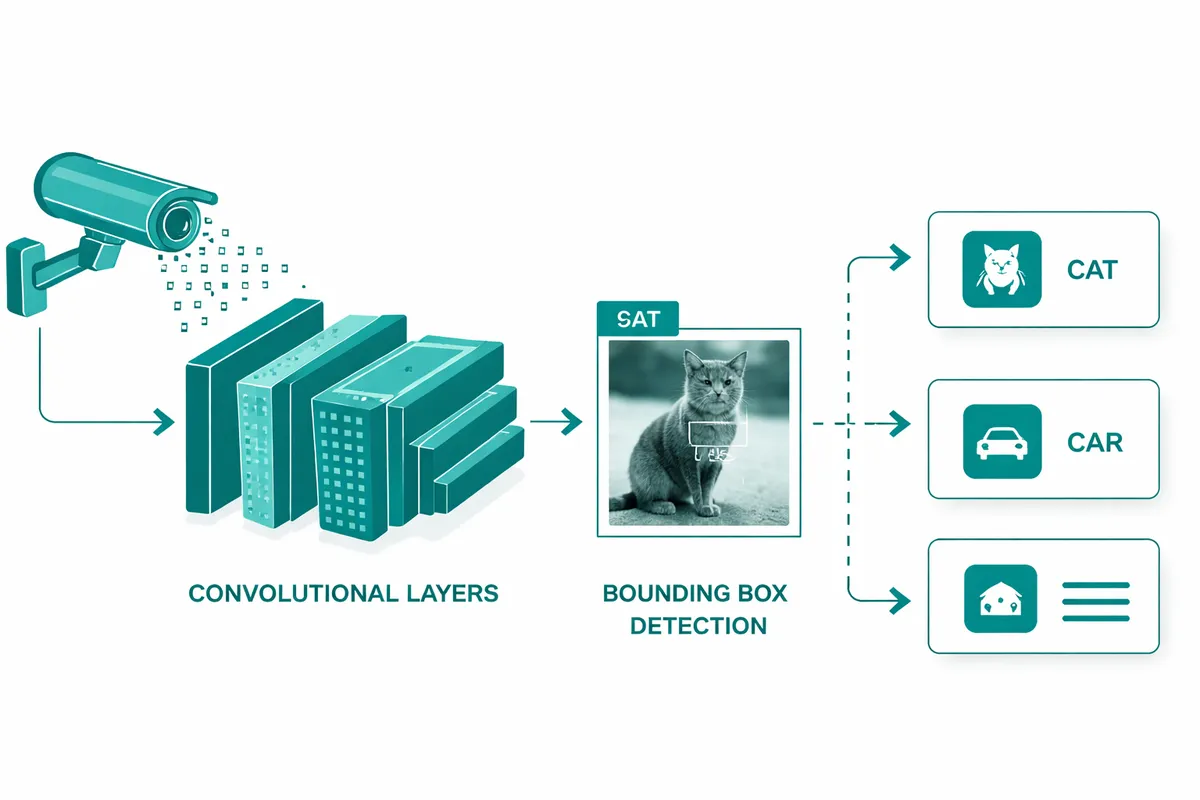
How We Build Computer Vision in Hyde Park
We assess your specific visual analysis needs and deploy solutions that integrate with your existing infrastructure. For bookstores on 57th Street, that includes spine-reading technology for automated shelf audits that identify missing, misplaced, and low-stock titles. For restaurants on 53rd Street, it means occupancy tracking and table turnover analysis that helps optimize seating during peak hours. For property managers near the university, it includes intelligent security monitoring that classifies visitors by type and flags genuine anomalies instead of generating constant false alarms. Every deployment is sized to your operation and connected to dashboards that surface the insights you actually need without requiring a technology expert to interpret the raw data.
Industries We Serve in Hyde Park
Bookstores and retailers use computer vision for automated inventory counts and customer traffic pattern analysis. A 57th Street bookstore can identify that its philosophy section gets heavy browsing but low purchases, signaling a merchandising or pricing problem worth investigating. Traffic analysis tied to the university academic calendar helps predict inventory needs around syllabi publication dates and finals periods, when specific subjects see spikes in demand.
Restaurants deploy visual AI for food quality verification during busy shifts, occupancy management to maximize covers, and kitchen compliance monitoring on 53rd Street. A restaurant can track that average table turnover slows 20 percent during alumni weekend and adjust staffing accordingly. Kitchen monitoring identifies prep bottlenecks before they cause service delays during high-volume periods like graduation weekend.
Property management firms near campus use intelligent security monitoring that reduces false alarm rates by 70 to 80 percent while catching real incidents faster. The challenge in a dense university environment is distinguishing between students moving through common areas at all hours and actual unauthorized access. Models trained on your specific building patterns handle this distinction reliably.
Cultural venues near the Museum of Science and Industry analyze visitor flow to optimize exhibit layouts, identify congestion points, and forecast staffing needs. Understanding which exhibits hold visitors longest, which transitions create bottlenecks, and how flow patterns shift by time of day gives curators and facilities managers data that was previously only available through expensive manual observation studies.
What to Expect Working With Us
1. Use case prioritization: We identify which computer vision applications will have the greatest operational impact for your specific business. For a bookstore, that is usually automated inventory auditing. For a restaurant, it is occupancy and kitchen monitoring. For a property manager, it is intelligent security. We sequence the deployment to deliver the highest-value capabilities first.
2. Data integration planning: We plan how computer vision outputs will connect to your existing systems, whether that is your inventory management platform, your POS system, or your property management software. The goal is to make visual data actionable within existing workflows rather than creating a new silo to manage.
3. Environment-specific model training: We train AI models on your actual environment, products, and operational patterns. The spine-reading model for your 57th Street bookstore is trained on your specific shelving layout and title formats. The occupancy model for your 53rd Street restaurant is calibrated to your specific seating configuration.
4. Academic calendar alignment: We structure ongoing maintenance and updates around the university academic calendar so your system is operating at peak accuracy during the highest-demand periods, with model refreshes scheduled before the major volume spikes of each semester.