How We Build AI Strategy Consulting in Hyde Park
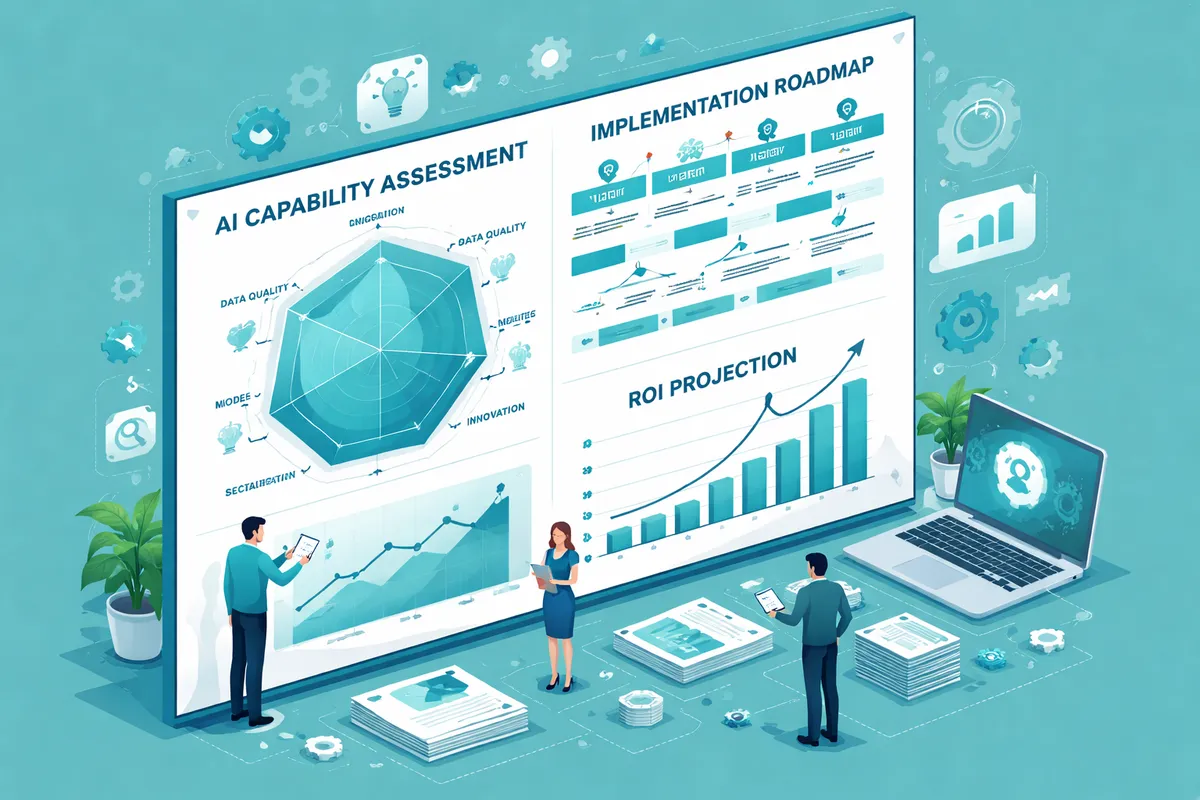
We begin with a thorough assessment covering revenue streams, customer segments, operational bottlenecks, technology stack, and competitive positioning in the Hyde Park market. Then we build a prioritized AI roadmap with clear milestones and expected returns for each initiative. For professional services near the university, the strategy might prioritize document automation and client intelligence that saves billable hours for core service delivery. For retail on 57th Street, it might focus on inventory forecasting and personalized marketing tied tightly to the academic calendar and its distinctive demand patterns. Every recommendation includes cost estimates, implementation timelines, and measurable success criteria so you can evaluate each step before committing resources to the next phase.
What to Expect Working With Us
1. Business and data assessment. We review your revenue patterns, customer segments, current technology, and operational workflows. For Hyde Park businesses, we pay particular attention to academic calendar demand patterns and the multi-segment customer base that distinguishes this neighborhood from typical Chicago commercial areas. 2. Opportunity prioritization. Every AI application relevant to your business type gets evaluated by expected impact, implementation cost, and feasibility given your team's capacity. We rank them clearly and explain the reasoning behind the sequence. 3. Roadmap delivery. You receive a written, prioritized AI strategy with specific tool recommendations, budget projections, implementation timelines, and success metrics. The strategy is built on your actual numbers, not industry benchmarks that may not apply to your specific location and customer mix. 4. Implementation support. We guide the first phase through launch, verify results against projections, and update the roadmap before proceeding to the next initiative. Nothing moves forward until the previous step is working.
Industries We Serve in Hyde Park
Bookstores and specialty retailers receive strategies focused on recommendation engines, inventory optimization, and search-driven customer acquisition on 57th Street. The roadmap accounts for academic seasonality and the specific purchasing patterns of the UChicago community, including the research needs of faculty and grad students that differ entirely from general consumer book buying. Strategies for these businesses often start with inventory forecasting calibrated to the academic calendar before moving to customer personalization, because getting the right books in stock during the right weeks is more valuable than perfectly timed marketing campaigns.
Restaurants get plans for demand forecasting, automated reservation management, and customer personalization along 53rd Street, prioritized by which capability delivers the fastest cost savings or revenue gains for a business serving a market that swells and shrinks with the academic year. Professional services receive roadmaps for client intelligence, document automation, and workflow optimization, typically starting with the automation that frees the most billable hours without requiring technical expertise to maintain. Educational service providers get strategies for enrollment prediction, student engagement, and operational efficiency that account for the unique rhythms of the academic service market.