How We Build Multi-Agent Systems for Humboldt Park
We start by mapping the complete workflow rather than jumping to automation. For Humboldt Park organizations, this means understanding the full operational cycle: where information enters the organization, what decisions need to be made at each stage, what outputs need to be produced, who needs to see what, and where human judgment must remain central versus where AI coordination can handle the work reliably.
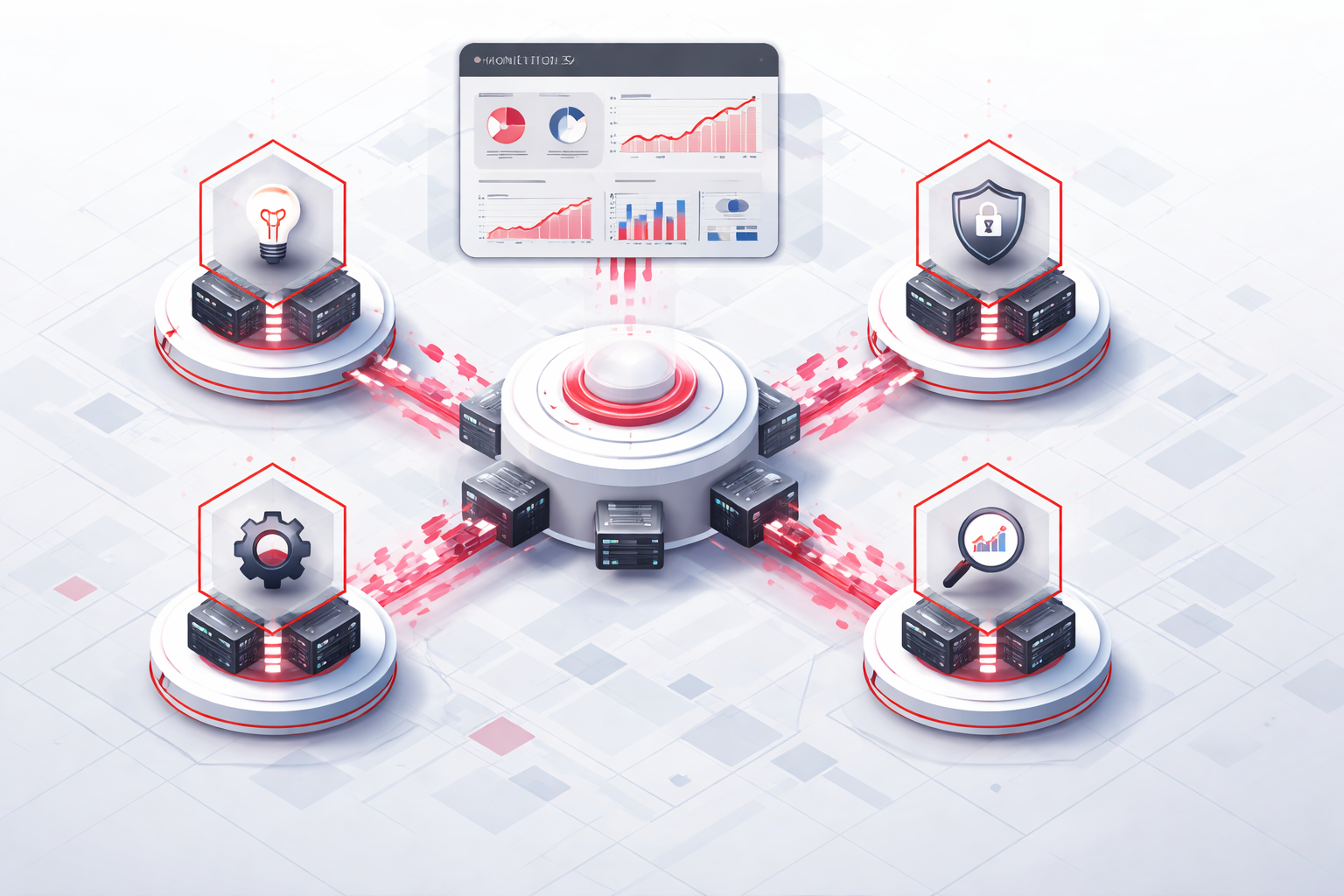
We design the agent architecture based on that mapping. Complex workflows decompose into component tasks, each handled by a specialized agent configured for that specific function. A grant development workflow for a cultural organization on Division Street might involve a landscape research agent that identifies active funding opportunities relevant to Puerto Rican arts and heritage programming, a mission alignment agent that scores each opportunity against the organization's stated priorities and capacity constraints, a writing agent that drafts the narrative sections using the organization's documented voice and recent program history, and an adaptation agent that modifies the same narrative for different funders' specific formatting requirements and emphasis priorities.
We build the coordination logic that connects these agents. The output of each agent becomes structured input for the next, with defined decision points where one agent's result determines which path the following agent takes. We define escalation rules for situations where an agent encounters something outside its decision logic and needs to route to organizational staff rather than proceeding autonomously.
Testing uses real Humboldt Park organizational examples before any deployment. We run simulation passes that mirror the actual patterns of the organization's work, including bilingual content requirements, the specific program types that characterize each organization, and the funder relationships that shape how grant materials need to be positioned.
Industries We Serve in Humboldt Park
Cultural organizations and heritage institutions near the National Museum of Puerto Rican Arts and Culture use multi-agent systems for grant landscape research and proposal development, program evaluation documentation, community communication across Spanish and English audiences, and strategic planning support. Staff time redirected from research and writing to mission execution and community relationship building.
Community health centers and clinics on Western Avenue and California Avenue use multi-agent systems to aggregate patient outcome data, analyze health patterns and service utilization, produce reports for health departments and funders, and develop community health education materials in Spanish and English. Coordination across research, analysis, and communication tasks that previously required multiple staff members' sequential work completes faster and more consistently.
Community nonprofits and social service organizations serving Humboldt Park families use multi-agent systems for program evaluation workflows, combining outcome data collection with impact analysis, narrative writing, and funder report formatting. A single program evaluation cycle that previously consumed weeks of staff time completes in days without losing the organizational-specific context that makes evaluation reports credible.
Puerto Rican business associations and commercial enterprises along Paseo Boricua use multi-agent systems for market research and competitive analysis, synthesizing information about how similar businesses in Puerto Rican communities in other cities have navigated growth and positioning challenges, and translating those findings into actionable recommendations for Humboldt Park's specific context.
Mutual aid organizations and volunteer-driven groups in Humboldt Park use multi-agent systems for service request processing, volunteer matching, communication coordination, and impact documentation. Coordination workflows that required multiple staff or volunteer hours execute automatically, freeing human capacity for the relationship-based work that cannot be automated.
Educational programs and youth development organizations near Roberto Clemente Community Academy use multi-agent systems for program outcome research, curriculum development assistance, family communication workflows in Spanish and English, and reporting for educational funders and school district partnerships.
What to Expect Working With Us
1. Workflow mapping and architecture design. We interview organizational staff about what workflows consume the most time, observe operational patterns where possible, and translate those observations into a workflow map that identifies the specific tasks where multi-agent coordination would produce the highest return. We design the agent architecture and specify coordination logic before any development begins, presenting it for organizational review.
2. Agent development and integration. We build each specialized agent, connect them to the organization's existing systems (email, calendar, document storage, grant management platforms), and develop the coordination layer that manages how agents pass work and decisions between each other. Each agent is tested individually against real organizational examples before being integrated into the full system.
3. End-to-end testing with Humboldt Park scenarios. We run the complete multi-agent system against real organizational scenarios including bilingual content requirements, the specific cultural context of Humboldt Park programming, and the funder relationships that shape output requirements. We address any failures before deployment.
4. Phased deployment and optimization. We deploy one workflow first, monitor performance over 30 days, make refinements based on real organizational use, and expand to additional workflows as confidence builds. Most Humboldt Park organizations find that the first workflow's success creates organizational buy-in for expanding automation to additional processes.