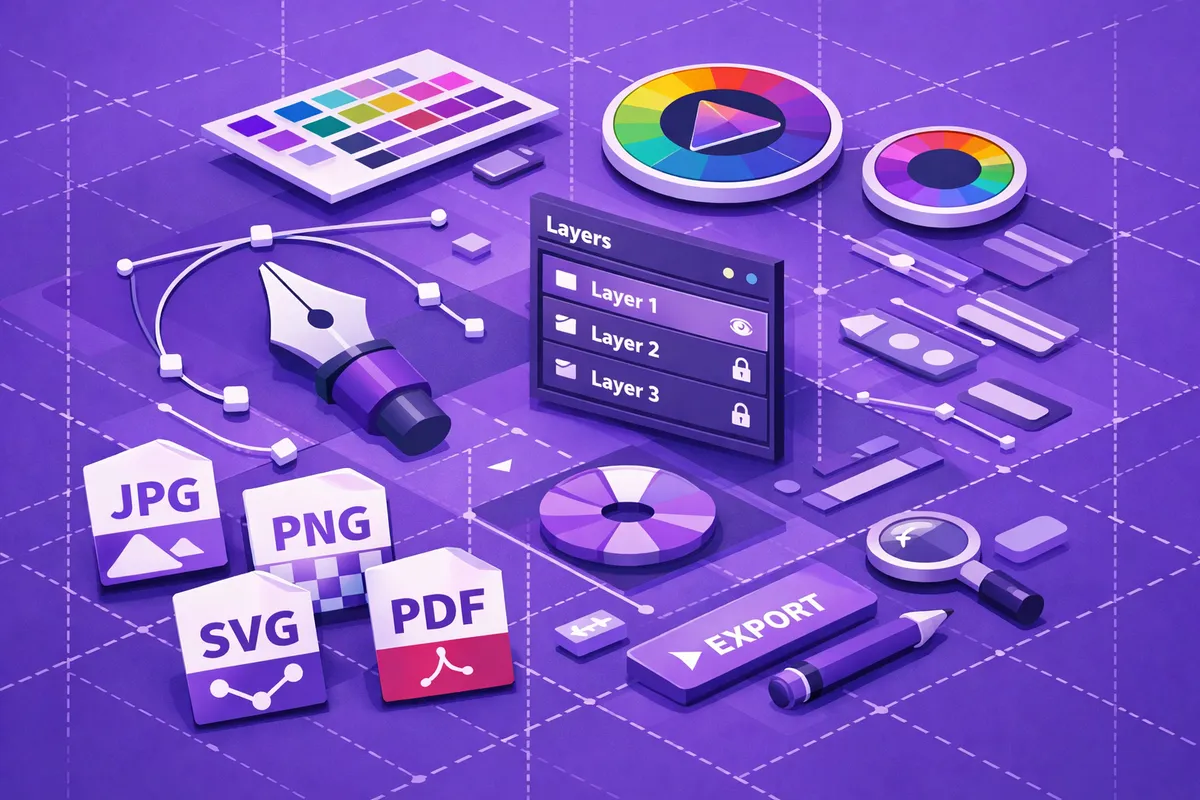
How We Produce Graphic Design for Humboldt Park
We start with a brand immersion, not a brief form. We want to understand the story before we pick up a pen. For a restaurant that has been on Western Avenue for twenty years, that means understanding the family history, the cooking traditions, and what the regulars would say if asked to describe the place. For a cultural nonprofit near La Casita, it means understanding the community it serves, the values it holds, and the institutions it stands alongside. That context produces design that is rooted, not assembled.
Research into the visual environment follows. We look at what exists in the neighborhood: murals, signage, existing brand identities of peer organizations, and the community's own visual language. We are not looking to replicate what is already there. We are looking to understand the vocabulary so that the design we create is in conversation with its environment rather than indifferent to it.
Concept development produces two or three distinct directions, each with a clear rationale. We do not present vague mood boards and ask clients to pick a direction. We present specific design concepts with an explanation of why each one is right for this business in this neighborhood. The client's feedback shapes the refinement rounds, and the final deliverable is a complete identity package: primary logo, secondary marks, color palette, typography system, and usage guidelines that a business owner can hand to any future designer and get consistent results.
Industries We Serve in Humboldt Park
Puerto Rican restaurants and family-owned taquerias along Division Street and Western Avenue often carry decades of community loyalty but visual identities that were never formally designed. A logo created in Word fifteen years ago, a menu printed at the corner copy shop, and social media graphics that look different every week represent a gap between the quality of the food and the quality of the presentation. We close that gap with identity work that honors the history while building a visual system ready for the next decade.
Cultural organizations and arts nonprofits near the National Museum of Puerto Rican Arts and Culture need design that carries institutional weight. Annual report design, exhibition collateral, event posters, and membership materials should look like they belong to an organization with serious cultural standing, not a volunteer project. We work with organizations that have that standing to build design systems that reflect it.
Independent coffee roasters and specialty food producers near Pulaski Road operate in categories where packaging and brand design directly influence purchase decisions. A specialty coffee brand on a retail shelf competes visually before it competes on taste. We design packaging and brand systems that communicate quality, origin, and character at the scale of a shelf scan.
Community advocacy organizations near Roberto Clemente Community Academy use design to communicate urgency, legitimacy, and community voice simultaneously. Campaign graphics, flyers for community meetings, printed materials for legislative outreach, and social media assets for organizing campaigns all require design that reads as credible and powerful while remaining accessible to the community it is trying to reach.
Bike shops and recreational retailers along the neighborhood's commercial corridors have a visual opportunity that few take full advantage of: the active, urban-outdoor lifestyle aesthetic is well-established as a design category with strong visual language. A bike shop near California Avenue with a coherent brand identity and strong in-store graphics creates a customer experience that keeps people coming back and talking about the place.
Health centers and social service organizations on North Avenue need design that communicates trust, accessibility, and care. Healthcare design that reads as clinical and cold creates barriers. Design that reads as warm, community-connected, and approachable reduces those barriers. We design patient-facing materials, community health campaign graphics, and organizational identity systems for Humboldt Park health organizations that reflect their community-first approach.
What to Expect Working With Us
1. Brand immersion session and neighborhood research. Before sketching anything, we spend two hours with you understanding the history and values of your organization, your audience, and what you want the design to accomplish. We also spend time researching the visual environment of Humboldt Park specifically: the murals, the existing brand landscape, the color language the community uses in its own celebration and self-expression. That research shapes the concepts we develop.
2. Two or three distinct design concepts with written rationale. Each concept we present is accompanied by a clear explanation: this direction is right for your organization because of these specific reasons, rooted in what we learned in the immersion session. We do not present vague options and ask you to pick. We defend our design choices and explain the thinking so the selection process is informed.
3. Refinement rounds and final deliverable package. After concept selection, we move through two refinement rounds incorporating your feedback before finalizing the design. The final deliverable includes all logo variations (primary, secondary, icon), the full color palette with hex and Pantone values, typography specifications, and a usage guide. Print-ready and screen-optimized file formats are included.
4. Extended collateral as needed. Identity work often needs to be extended into applications: menu design, event poster templates, social media graphic templates, signage specifications, or stationery systems. We build those as a second phase once the core identity is locked, ensuring every application pulls from the same design system rather than drifting visually over time.