How We Build Data Analytics Programs for Humboldt Park
We build data analytics programs for Humboldt Park businesses through a process that starts with identifying the specific decisions the analytics need to support. For a Division Street restaurant, the relevant decisions are staffing, inventory, marketing timing, and menu development. For a clinic on California Avenue, they are appointment utilization, patient outreach, staffing capacity, and program reporting. For a nonprofit near La Casita de Don Pedro, they are donor retention, program impact, and grant compliance.
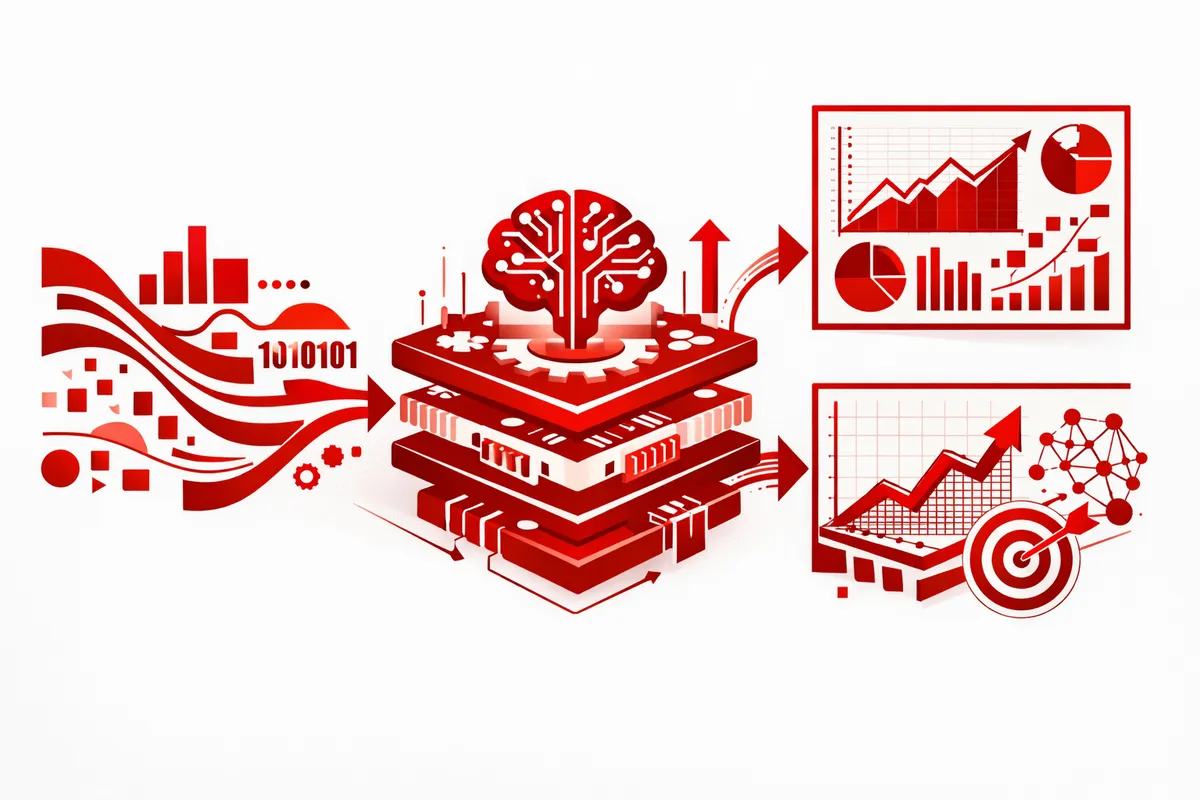
From these decision priorities, we design an analytics architecture that collects the data needed to answer those decision questions from the systems each organization already uses. We build data pipelines that bring the relevant data together, apply data quality checks, and load it into an analytics environment where it can be queried and visualized.
Dashboards for Humboldt Park businesses are designed for the people who will use them: business owners and operational managers who need to answer practical questions quickly, not data analysts who can navigate complex tools. For bilingual organizations, dashboards are available in both English and Spanish, and reports that go to funders or community stakeholders are produced in the appropriate language.
Industries We Serve in Humboldt Park
Restaurants and food businesses on Division Street and North Avenue generate POS, reservation, and marketing data that, analyzed together, reveals the demand patterns, customer behavior, and operational inefficiencies that separate profitable weeks from unprofitable ones. Analytics dashboards for food businesses show the metrics that actually drive restaurant profitability: revenue per available seat hour, food cost percentage by category, and customer return rate by acquisition channel.
Community health clinics and FQHCs on California Avenue and North Avenue manage patient, financial, and operational data that drives both clinical and regulatory reporting. Analytics for healthcare organizations in Humboldt Park covers appointment utilization, no-show rates by patient segment, care gap identification, and the population health metrics that federal quality reporting programs require.
Nonprofits and community organizations near the National Museum of Puerto Rican Arts and Culture need analytics that demonstrates program impact, guides donor cultivation, and satisfies grant reporting requirements. Analytics for nonprofits covers program participation, outcome tracking, donor engagement metrics, and the financial reporting that board and funder transparency requires.
Retail businesses on Pulaski Road track inventory, sales, and customer behavior data that analytics connects into inventory optimization and customer marketing intelligence.
Social service organizations on California Avenue track caseload, outcome, and referral data that analytics aggregates into program performance reporting and resource allocation guidance.
Auto and trade businesses on Pulaski Road and Western Avenue track service, customer, and inventory data that analytics connects into operational efficiency and customer communication intelligence.
What to Expect Working With Us
1. Decision inventory and analytics design. We identify the specific operational and strategic decisions your organization makes regularly and design an analytics program that provides the data those decisions require.
2. Data integration and pipeline build. We connect your existing data sources, build pipelines that bring data into a unified analytics environment, and apply quality checks that ensure the data driving decisions is accurate.
3. Dashboard development. We build dashboards that make analytics accessible to the people in your organization who need to act on them, with bilingual interfaces for Humboldt Park organizations serving Spanish-speaking stakeholders.
4. Interpretation support and training. We provide regular analytical review sessions and training in both English and Spanish so your team can use analytics confidently in daily operations rather than depending on us to interpret every report.