How We Build Custom ERP for Humboldt Park
Discovery for a Humboldt Park ERP engagement starts with understanding the community context of the business. For a Puerto Rican restaurant group on Paseo Boricua, that means mapping not just the purchasing and operational workflows but the community relationships, employment practices, and supplier choices that make the business what it is. The ERP should support those relationships, not obscure them behind generic operational categories.
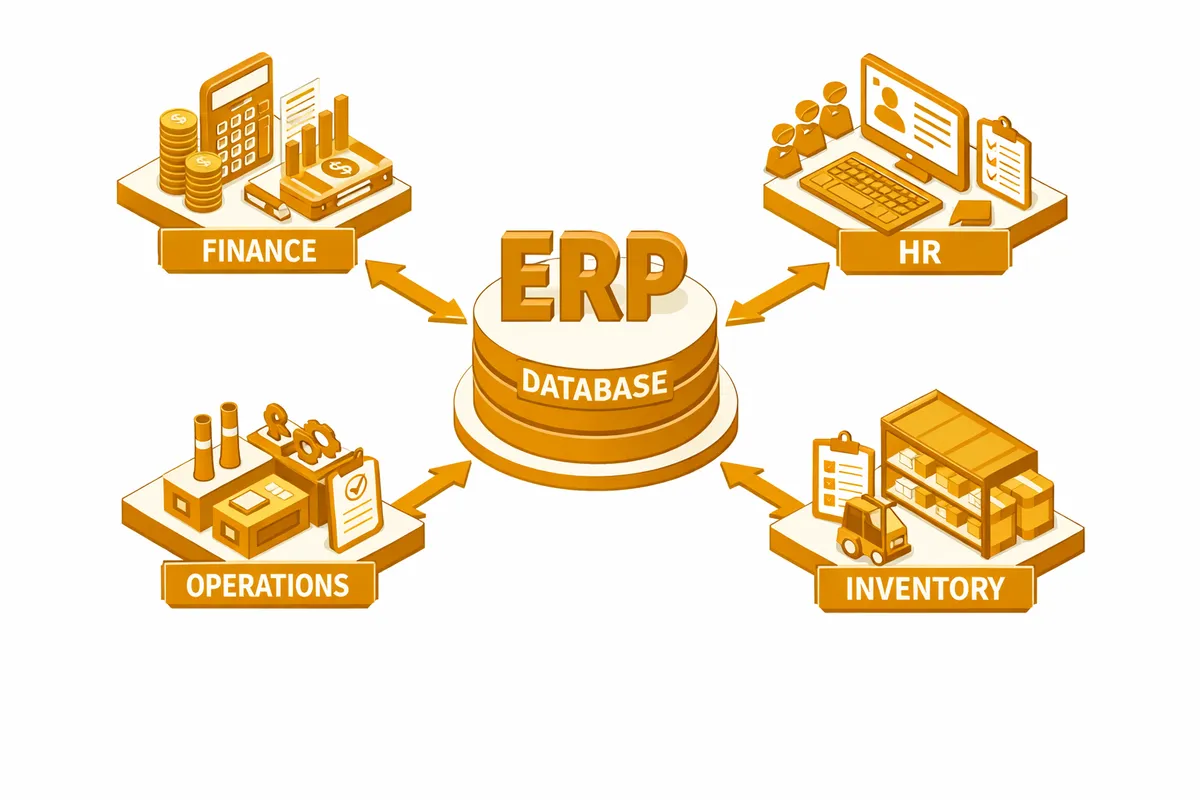
From discovery, we design the module architecture. For a multi-location restaurant group in Humboldt Park, the architecture typically covers consolidated vendor purchasing, multi-location inventory with waste tracking, staff management including scheduling and payroll integration, and management-level reporting by location and across the group. For a cultural organization, the architecture covers grant lifecycle management, program planning and tracking, volunteer and staff management, and community partnership relationship data.
Implementation is phased, with the first production phase covering the highest-priority operational area. For most Humboldt Park businesses, that is the area where manual work between disconnected systems consumes the most staff time. Working software goes live within twelve to eighteen weeks, with subsequent phases expanding the platform's scope without disrupting operations already running.
We work around your organizational calendar. For a Humboldt Park cultural organization, that means aligning delivery milestones with grant reporting cycles, programming seasons, and major community events. For a restaurant group, it means avoiding implementation disruptions during peak community seasons.
Industries We Serve in Humboldt Park
Puerto Rican restaurants and food businesses on Division Street and along the Paseo Boricua corridor manage supplier relationships, labor scheduling, and multi-location financial performance across disconnected tools that require constant manual reconciliation. A custom ERP consolidates these into one operational platform built for community-first food businesses.
Cultural organizations and nonprofits near the National Museum of Puerto Rican Arts and Culture manage grants, programming, volunteer coordination, and community partnerships as one integrated operation. A custom ERP designed for cultural institutions connects these data streams and reduces the administrative overhead of compliance reporting.
Independent coffee roasters and specialty food producers that have expanded to wholesale accounts need ERP covering production planning, raw material purchasing, multi-customer order management, and route-based delivery in one system. Single-location retail software cannot support this operational scope.
Community health centers and social services near Roberto Clemente Community Academy manage patient or client records, service delivery tracking, staff management, and funder compliance across tools that were not designed to work together. A custom ERP integrates these operations and reduces the administrative burden of compliance reporting.
Bike shops and specialty retail anchored in Humboldt Park's neighborhood economy manage inventory, service orders, repair tracking, and customer communication in tools that rarely connect effectively. A purpose-built retail and service ERP integrates these operational areas.
Small grocers and neighborhood food businesses on Western Avenue and California Avenue managing perishable inventory, vendor relationships, and community pricing models need ERP that fits neighborhood grocery operations rather than corporate retail assumptions.
What to Expect Working With Us
1. Community-grounded discovery. Two to three weeks of structured sessions with your ownership and operations teams, designed to understand both your operational workflows and the community relationships that shape how your business runs.
2. Module design and phased plan. We design the module architecture and phased delivery plan specific to your organization's needs. For Humboldt Park organizations with community programming or cultural mission requirements, we specify how those are reflected in the ERP design before development begins.
3. Phased implementation. Your highest-priority operational module goes live first, within twelve to eighteen weeks. Each subsequent phase expands the platform without disrupting the foundation already running.
4. Launch support and ongoing evolution. Post-launch monitoring, staff training, and a warranty period covering issues found in the first months of use. Ongoing maintenance retainers available as your organization grows.