How We Build Custom AI Solutions for Humboldt Park
We develop custom AI solutions for Humboldt Park organizations through a process that starts with thorough requirement definition before any development begins. This process surfaces the specific ways the organization's work is different from the generic use case that off-the-shelf products assume: the language requirements, the community-specific knowledge the AI needs to carry, the regulatory constraints (HIPAA for clinics on North Avenue, FERPA for organizations connected to Roberto Clemente Community Academy), and the integration requirements with systems the organization already uses.
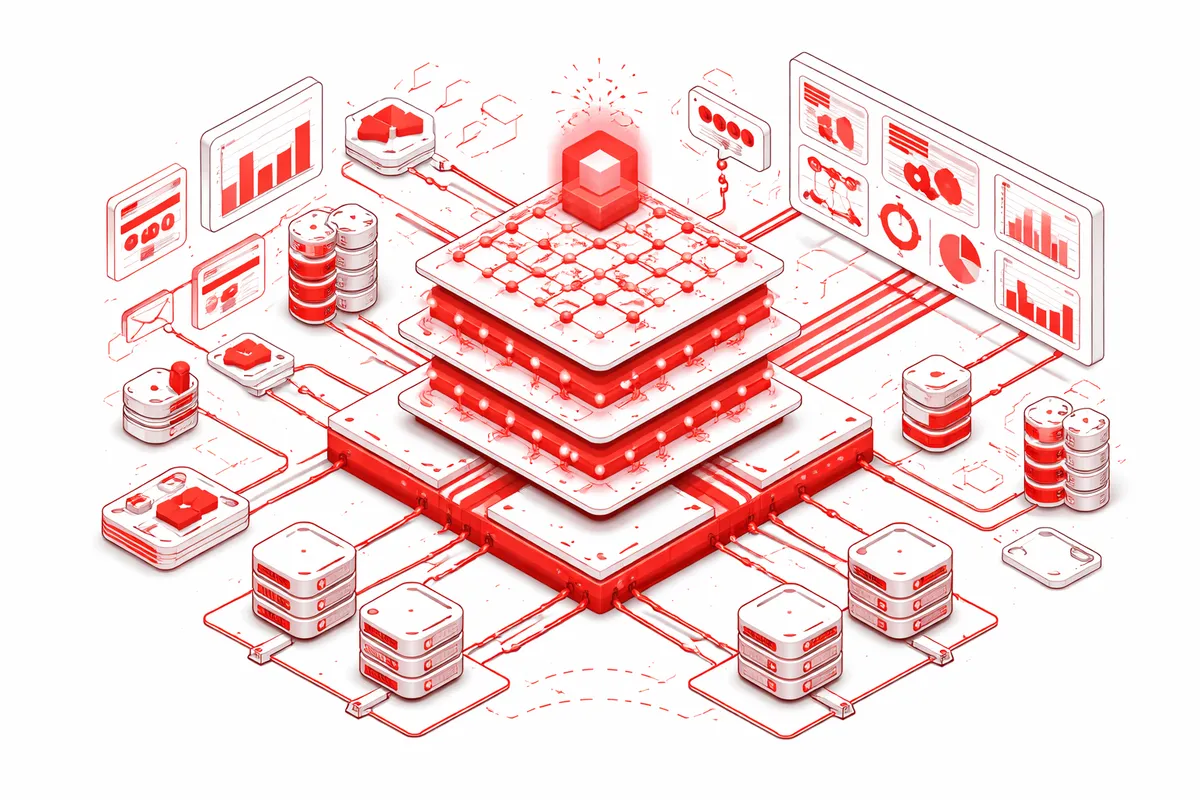
From the requirement definition, we design a solution architecture that covers the data sources the AI will draw on, the models it will use (often fine-tuned from existing base models rather than trained from scratch), the interfaces through which staff and users will interact with it, and the monitoring and maintenance systems that will keep it performing after launch.
Development for Humboldt Park custom AI is bilingual throughout. Spanish-language interfaces, Spanish-language training data, and Spanish-language testing are integrated into every phase rather than added at the end. We validate AI performance on Spanish-language inputs separately from English-language inputs and establish bilingual performance benchmarks before deployment.
Industries We Serve in Humboldt Park
Community health clinics and FQHCs on North Avenue and California Avenue are the most frequent custom AI development clients in Humboldt Park because their operational needs are specific, their regulatory requirements are strict, and the off-the-shelf healthcare AI market does not adequately serve bilingual community health centers. Custom AI for these organizations addresses patient communication, appointment management, care gap identification, and population health reporting.
Nonprofits and community organizations near the National Museum of Puerto Rican Arts and Culture build custom AI for grant application assistance, bilingual client intake, resource referral, and community needs assessment. The specificity of their work and the sensitivity of their community relationships make generic tools inadequate.
Social service organizations on California Avenue build custom AI for case routing, resource matching, bilingual eligibility screening, and documentation assistance. The complexity of the regulatory environment these organizations navigate and the language requirements of their client population make custom development necessary.
Educational organizations connected to Roberto Clemente Community Academy and other Humboldt Park schools build custom AI for student support, family communication in both English and Spanish, and administrative efficiency. The FERPA context and the specific demographic of Humboldt Park's student population are requirements that custom development addresses where generic ed-tech AI does not.
Retail and specialty businesses on Pulaski Road and Division Street serving the Puerto Rican cultural community build custom AI for inventory prediction calibrated to cultural calendar demand patterns, bilingual customer service, and product recommendation systems that understand the cultural significance of specific products to this community.
Faith communities and community anchor institutions in Humboldt Park build custom AI for congregation communication in both English and Spanish, pastoral record management, and community event coordination.
What to Expect Working With Us
1. Requirements discovery and feasibility assessment. We work with your team to define the specific AI capability you need, assess the data and technical infrastructure available, and determine whether custom development is the right approach versus adapting an existing tool.
2. Architecture design and bilingual specification. We design the full solution architecture with explicit bilingual requirements, regulatory compliance constraints, and integration specifications before development begins.
3. Iterative development with community testing. We build in iterations with regular testing by the Humboldt Park organization's staff, specifically including Spanish-dominant users in the testing process so that bilingual performance is validated by the people who will depend on it.
4. Deployment, training, and ongoing maintenance. We deploy the finished solution, train staff in both English and Spanish on its use, and provide ongoing maintenance support as the organization's needs evolve.