How We Build Autonomous Workflow Agents for Humboldt Park
We begin by mapping the actual workflows that consume the most staff or owner time. For a cultural organization, this typically includes artist application intake and initial screening, residency coordination communication, event and exhibition coordination, and participant progress tracking. For a volunteer organization, it includes volunteer scheduling, hour tracking, task assignment, reminder communication, and impact documentation. For a Division Street restaurant, it includes the weekly customer communication cycle, catering lead follow-up, loyalty program outreach, and seasonal promotional sequences.
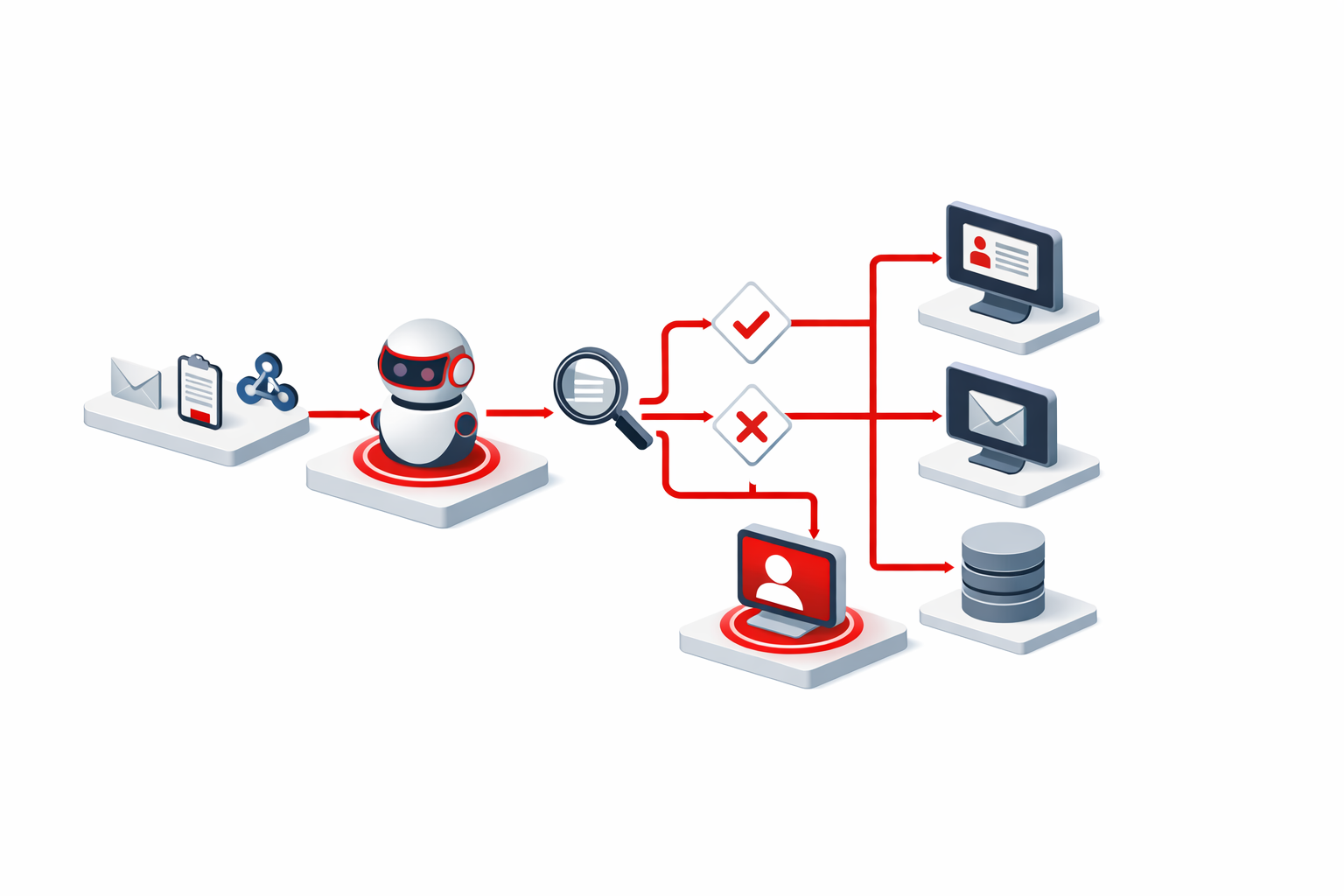
We document the decision logic that should govern each automated workflow. Not every step in a process should be automated. Routine decisions, where the logic is clear and consistent, execute automatically. Complex decisions, where organizational values, community relationships, or sensitive judgment are involved, escalate to staff with full context rather than proceeding automatically. We design every workflow so that automation handles what it handles well and human judgment handles what it handles well, without conflating the two.
We build agents that execute the documented workflow logic and connect them to the organization's existing systems. Communication platforms, scheduling tools, database systems, and coordination apps that the organization already uses become the infrastructure through which agents operate. We do not require abandoning existing systems or adopting new platforms the organization does not have the capacity to manage.
Testing uses real Humboldt Park operational examples before any deployment. We run simulation passes that mirror the actual patterns of the organization's work, including bilingual communication requirements, the specific program types that characterize each Humboldt Park organization, and the community-specific communication norms that shape how automated messages need to be written to land appropriately with their recipients.
Industries We Serve in Humboldt Park
Cultural organizations and heritage institutions near the National Museum of Puerto Rican Arts and Culture and La Casita automate artist application tracking, residency coordination communication, exhibition scheduling coordination, community partner communication, grant documentation workflows, and participant follow-up sequences. Staff time redirected from administrative coordination to artistic development and community relationship building.
Community health and social service organizations on Western Avenue and California Avenue automate appointment scheduling follow-up, care gap reminder sequences, program enrollment tracking, client communication, and outcome documentation. Staff focuses on direct service and clinical judgment while coordination workflows execute automatically in the background.
Volunteer and mutual aid organizations near Humboldt Park automate volunteer recruitment communication, scheduling coordination, hour tracking, task assignment notification, and impact documentation for funders. The volunteer coordinator focuses on volunteer development and community relationships while the system handles operational coordination. Volunteer turnover becomes less damaging because the coordination system carries institutional continuity regardless of who fills each volunteer role.
Puerto Rican restaurants and food businesses along Division Street automate weekly special announcements to customer lists in Spanish and English, catering inquiry follow-up sequences, loyalty program communications, customer reactivation outreach to customers who have not visited in a defined period, and reservation confirmation communications.
Community events and cultural celebrations organizing around the Humboldt Park lagoon, along Division Street, and throughout the neighborhood automate vendor coordination communication, participant registration management, event reminder sequences, volunteer coordination, and post-event follow-up and documentation.
Educational programs and youth organizations near Roberto Clemente Community Academy automate program registration communication, session reminder sequences, parent update communications in Spanish and English, attendance tracking follow-up, and progress report distribution.
What to Expect Working With Us
1. Workflow audit and mapping. We interview staff and owners about what administrative tasks consume the most time and what processes have the most inconsistency when execution depends on who is currently in a role. We map key workflows end to end, identify which steps are candidates for automation, and establish the decision logic that should govern escalation to human judgment. This produces a detailed workflow map and automation plan before any development begins.
2. Agent design and decision logic documentation. We document how each automated workflow should execute, including where automation handles the full process and where it presents information to a human for a decision before proceeding. We design bilingual communication routing from the start for every workflow that involves Spanish and English community members or customers.
3. Integration and phased deployment. We build agent connections to existing systems, test against real Humboldt Park operational scenarios, and deploy starting with one high-impact workflow rather than attempting to automate everything simultaneously. The first workflow's performance informs refinements before expansion to additional workflows.
4. Ongoing monitoring and expansion. We monitor agent performance, collect feedback from staff and community members about how automated communications are landing, and refine based on real operational data. Most Humboldt Park organizations expand to additional workflows within 90 days of the first workflow's successful deployment.