How We Build AI Sales Intelligence for Humboldt Park
We build sales intelligence programs for Humboldt Park businesses by connecting their transaction data to analytical frameworks calibrated for the neighborhood's specific commercial patterns. The foundation is always the business's own historical data: POS records, appointment logs, customer purchase history, and any other behavioral data the business has accumulated.
We apply the neighborhood's cultural calendar as an analytical lens. Fiesta Boricua, Three Kings Day, Mother's Day, and the seasonal patterns tied to Humboldt Park's Puerto Rican community are built into the analytical framework as named time periods, not just date ranges. When we identify that a Division Street restaurant's food cost ratio spikes during a specific period, we examine whether that period correlates with a cultural event that changes product mix, not just whether a particular supplier raised prices.
Language segmentation is applied to sales analysis for businesses with identifiable customer language preferences. Understanding that Spanish-dominant customers have a 15 percent higher average ticket than English-dominant customers at a specific Division Street business is the kind of insight that changes marketing investment priorities. We surface these differences when the data supports them and build recommendations around what they mean for business decisions.
Industries We Serve in Humboldt Park
Restaurants and food businesses on Division Street and North Avenue generate the richest transaction datasets in the neighborhood's commercial ecosystem. POS data for a Puerto Rican restaurant on Division Street carries demand patterns tied to cultural events, day-of-week rhythms, group size distributions, and product mix shifts across seasons. AI sales intelligence makes these patterns explicit and actionable: staffing models, inventory decisions, and menu pricing all improve when they are informed by data rather than intuition.
Health clinics and community health organizations on North Avenue and California Avenue track appointment utilization, service category distribution, and patient visit patterns that carry population health intelligence. AI analysis of this data helps clinic administrators understand where capacity is underutilized, which patient populations are underserved, and which outreach efforts are driving appointment increases.
Retail businesses on Pulaski Road and California Avenue benefit from inventory intelligence: which products are selling, which are turning slowly, and which customer segments are driving the most revenue. Sales velocity analysis by product category gives buyers the information they need to make inventory decisions that match actual community demand.
Salons and personal service businesses near Division Street track appointment patterns, service category profitability, and rebooking rates that carry actionable intelligence about which services to promote, which time slots to fill, and which customers are at risk of not returning.
Community nonprofits near the National Museum of Puerto Rican Arts and Culture track donor behavior, program participation, and event attendance patterns that inform fundraising strategy and program planning. AI analysis surfaces the donor segment characteristics that drive the most reliable recurring giving.
Auto and trade service businesses on Pulaski Road and Western Avenue track service category patterns, seasonal demand shifts, and customer return rates that guide capacity planning and marketing investment.
What to Expect Working With Us
1. Data assessment and intelligence framework design. We assess the transaction data your business has available, identify the analytical questions most important for your specific operating decisions, and design an intelligence framework that answers those questions using your data.
2. Analytics model development. We build the analytical models appropriate for your business: demand forecasting, customer segmentation, lifetime value scoring, product profitability analysis, and any other models that address your specific decision needs.
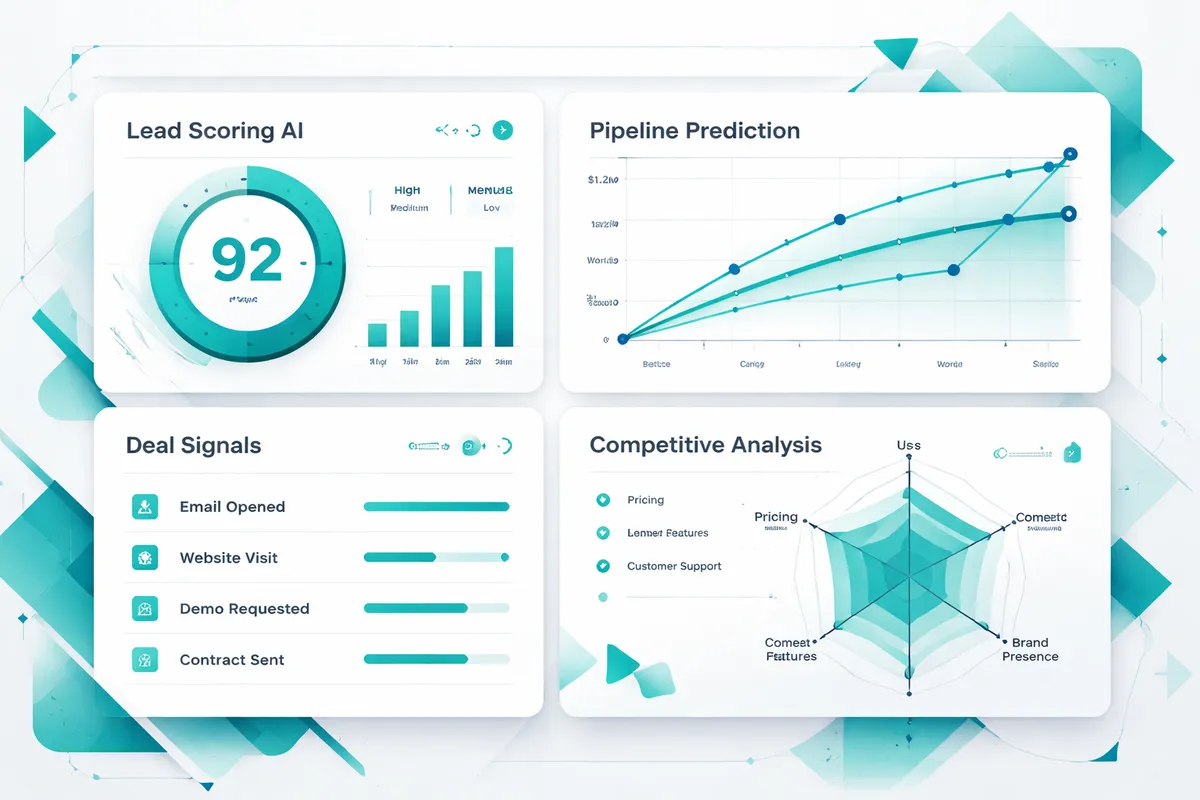
3. Dashboard and reporting setup. We build a reporting interface that makes analytical outputs accessible to you without requiring statistical expertise. For Humboldt Park businesses where the owner is also the primary decision-maker, the dashboard is designed for practical daily use rather than data science review.
4. Interpretation and recommendation support. We provide regular analytical review sessions where we walk through what the data is showing and translate analytical findings into specific operational and marketing recommendations appropriate for your Humboldt Park business context.