How We Build AI Data Pipelines for Humboldt Park
We build data pipelines for Humboldt Park businesses using the integrations that connect the specific tools each business already uses: Square, Clover, or Lightspeed for point-of-sale; Mailchimp, Klaviyo, or Constant Contact for email; Acuity or Booksy for appointments; Google Analytics and Meta for marketing data. We do not require businesses to switch platforms. We connect the platforms they already have.
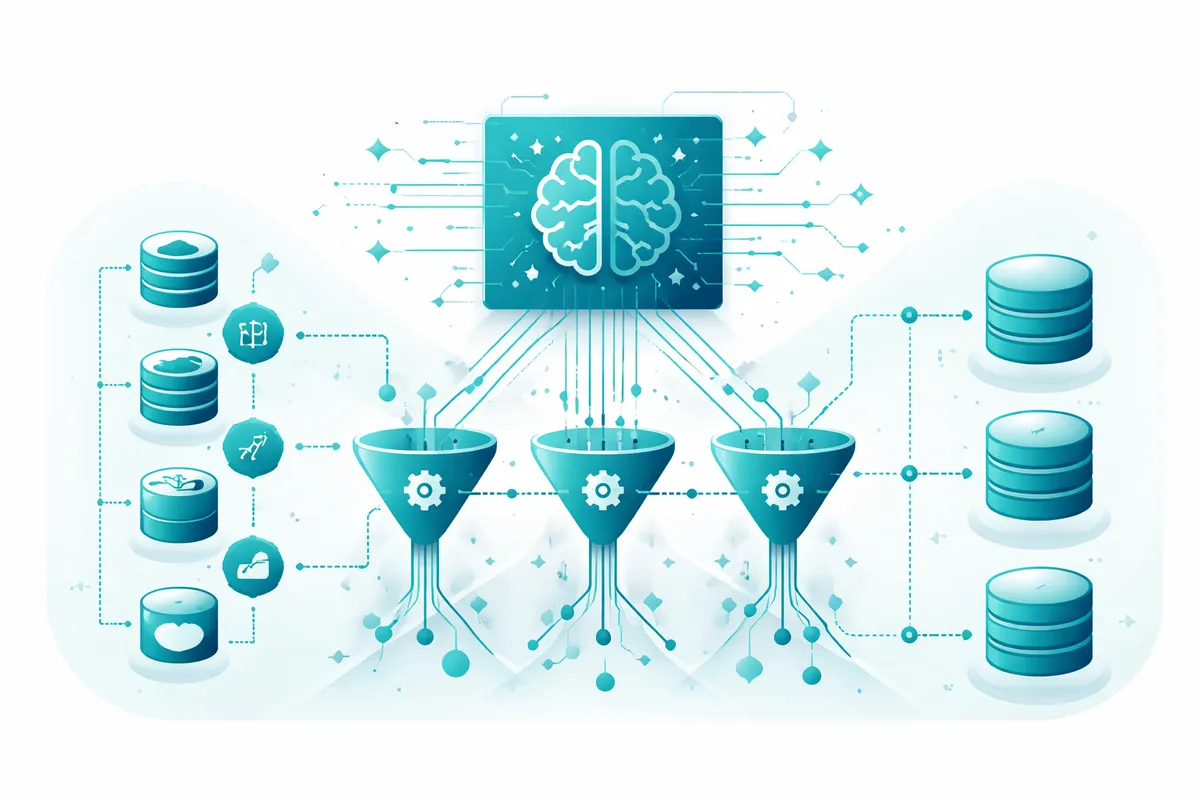
The pipeline architecture for most Humboldt Park small businesses has three layers. The first layer collects data from each source system on a defined schedule or in real time. The second layer normalizes and enriches the data: matching customer records across systems, applying language preference tags, flagging behavioral signals like lapsed visit patterns or high-frequency purchase behavior. The third layer routes the enriched data to the destination systems where it becomes actionable: the email platform receives updated segments, the reporting dashboard receives updated metrics, the inventory system receives demand signals.
For Humboldt Park businesses with seasonal patterns tied to the neighborhood's cultural calendar, Fiesta Boricua, Three Kings Day, community events at La Casita de Don Pedro, we build event-aware pipeline logic that adjusts segment definitions and reporting windows around those events automatically.
Industries We Serve in Humboldt Park
Restaurants and food businesses on Division Street and North Avenue manage POS data, reservation systems, and marketing platforms that rarely share information. Pipelines connect these systems so that a customer who has not visited in 60 days automatically enters a re-engagement sequence, and a customer who visits frequently during cultural events gets flagged for a loyalty program offer.
Health clinics and community health organizations on California Avenue manage patient records, appointment systems, and care coordination tools. Data pipelines that connect these systems while maintaining HIPAA compliance allow clinics to identify patients due for follow-up, track care continuity, and report program outcomes without manual record reconciliation.
Retail businesses on Pulaski Road and Western Avenue manage inventory, sales, and customer data across separate systems. Pipelines that connect these systems give owners real-time visibility into which products are selling, which customers are returning, and which inventory categories need replenishment before they run out.
Salons and beauty businesses near California Avenue and Division Street use appointment systems, payment processors, and marketing tools that carry customer behavior data. Pipelines connect these systems so that a customer's appointment history informs their marketing communications and their service preferences are visible to staff when they arrive.
Community nonprofits and cultural organizations near the National Museum of Puerto Rican Arts and Culture manage donor databases, program participation records, and grant reporting systems. Data pipelines that connect these systems reduce the manual reconciliation work that consumes nonprofit staff time.
Auto and trade businesses on Pulaski Road manage service records, parts inventory, and customer communication in separate systems. Pipelines connect service history to marketing communications, so a customer whose car was serviced eight months ago automatically receives a seasonal maintenance reminder.
What to Expect Working With Us
1. System inventory and integration mapping. We document every tool your business uses to collect or store data and map the connections that would create the most operational value. For Humboldt Park businesses, this inventory always includes an assessment of how language preference data is currently captured and where it needs to flow.
2. Pipeline architecture and build. We design and build the pipeline connections between your systems, including data normalization, language preference handling, and event-aware logic for businesses tied to the neighborhood's cultural calendar.
3. Testing and validation. We test pipeline operation across real transaction scenarios before deployment and validate that data is flowing accurately between systems and that language preference signals are being applied correctly.
4. Monitoring and maintenance. We monitor pipeline health and address any breaks in data flow. When a system you use updates its API or changes its data structure, we handle the pipeline update so your operations are not disrupted.