How We Build Multi-Agent Systems for Hermosa
We start by mapping the complete workflow, not just the automation points. For a Hermosa business, this means understanding the full operational cycle: where information enters the business, what decisions need to be made along the way, what outputs need to reach which recipients, and what situations require the business owner's judgment versus what can proceed automatically. This mapping often takes two or three conversations because business owners think in terms of daily tasks rather than process flows. We translate between those two framings.
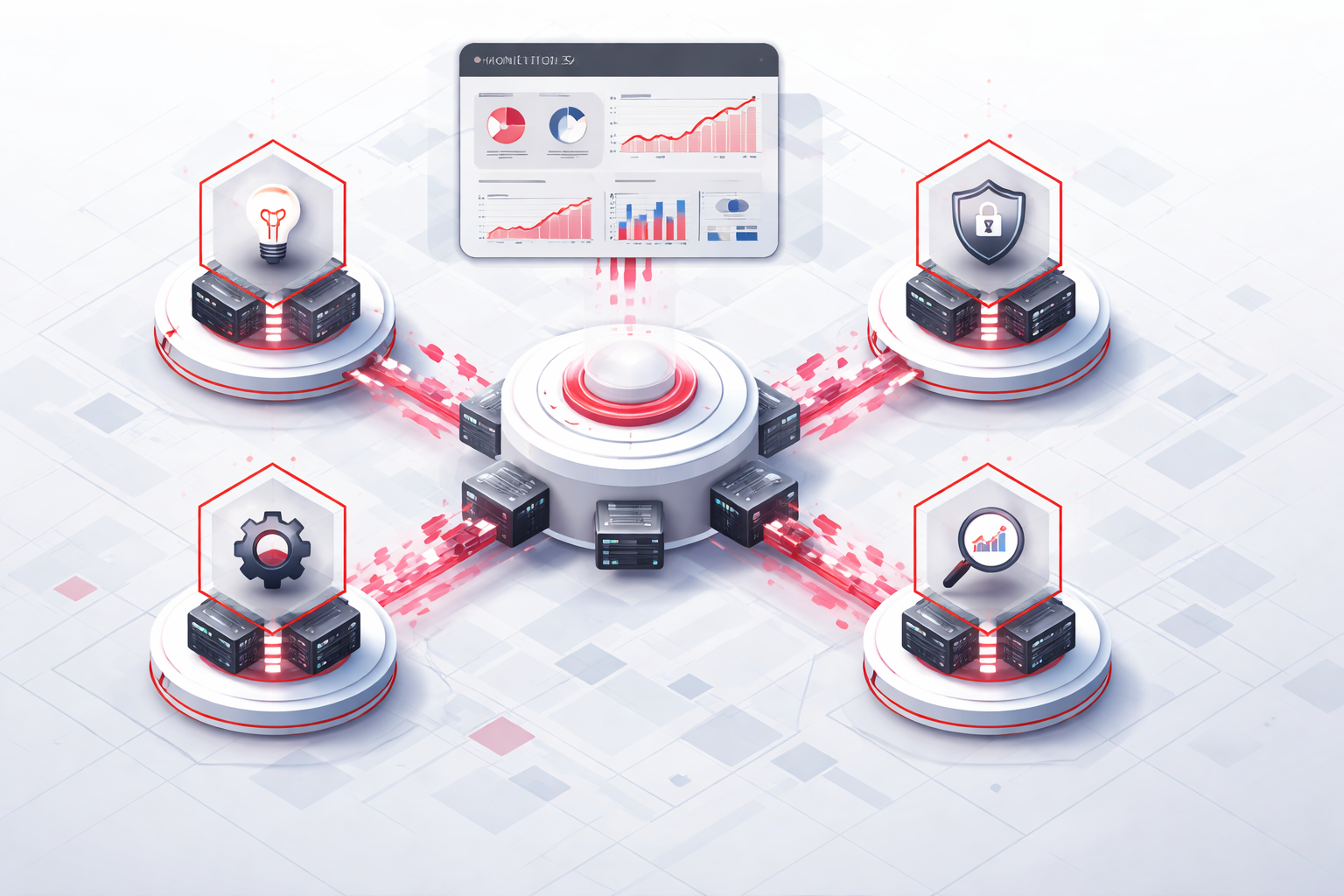
We design the agent architecture after the workflow is fully understood. Complex workflows decompose into component tasks that specialized agents handle reliably. A customer reactivation campaign for a Hermosa salon might involve a data agent that identifies clients who have not booked in 60 days from the booking system, a segmentation agent that categorizes those clients by service history and typical spend, a content agent that generates personalized outreach in the appropriate language for each client based on their documented preference, a scheduling agent that times each outreach message based on each client's historical day-of-week and time-of-day engagement patterns, and a tracking agent that logs responses and triggers a different follow-up sequence for clients who open but do not book versus clients who do not open at all.
We build the coordination logic between agents. The output of each agent becomes the structured input for the next, with decision points where one agent's output determines which path the next agent takes. We define escalation rules for situations where an agent encounters something outside its decision logic and needs to route to the business owner rather than proceeding automatically. No agent makes autonomous decisions in high-stakes situations.
Testing uses real business data from Hermosa before any deployment. We run simulation passes that mirror the actual patterns of the business's customer base, including the bilingual communication requirements, the seasonal patterns tied to Kelvyn Park High School academic calendar and Our Lady of Grace Parish event cycles, and the specific customer behavior patterns that characterize each Hermosa business category.
Industries We Serve in Hermosa
Auto repair and mechanic shops on Pulaski Road and Kostner Avenue benefit from multi-agent systems that combine vehicle history tracking, maintenance interval monitoring, customer preference management, bilingual outreach generation, and response tracking into a coordinated customer retention engine. Shops on Pulaski Road can generate proactive service campaigns that reach customers before competitors do, in the customer's language, with reference to their specific vehicle.
Salons and beauty businesses on Kostner Avenue use multi-agent systems that coordinate booking data, stylist availability, client style history, seasonal service content, and reactivation sequences. A salon's multi-agent system identifies that a client's last appointment was a color treatment eight weeks ago, generates a personalized reactivation message referencing that specific service and suggesting appropriate timing for the next treatment, and schedules it to arrive at the time of day when that client has historically responded to messages.
Carnicerias and specialty grocers near Fullerton Avenue and North Avenue use multi-agent systems that monitor inventory levels, generate Spanish-language promotional content for high-stock items appropriate for that week's promotions, schedule WhatsApp Business distribution to the right customer segments, track engagement rates, and trigger reorder alerts when promotional items reach threshold inventory.
Taquerias and Mexican restaurants along Armitage Avenue and Fullerton Avenue use multi-agent systems for catering inquiry management, loyalty program communication, seasonal menu promotion, and wholesale customer account management. The system coordinates across customer types with different communication preferences, ordering patterns, and language needs without manual routing between segments.
Family medical practices near Kelvyn Park use multi-agent systems for preventive care campaign management, combining patient record data with care gap analysis, appointment availability checking, and HIPAA-compliant patient outreach in Spanish or English based on each patient's documented preference.
Community organizations and parish groups near Our Lady of Grace Parish use multi-agent systems for event management workflows, combining registration tracking, volunteer coordination, reminder sequences, and post-event follow-up into coordinated campaigns that run with minimal staff involvement from planning through completion.
What to Expect Working With Us
1. Workflow mapping and architecture design. We document the complete operational workflow, design the agent architecture, and specify coordination logic before writing any code. The design document becomes the blueprint for everything built and goes through owner review before development begins. We identify which decisions require human judgment and build escalation around those points from the start.
2. Agent development and integration. We build each agent, connect it to the business's existing systems, and develop the coordination layer that passes outputs between agents and manages decision logic. Each agent is tested individually against real business scenarios before being integrated into the larger system.
3. End-to-end testing with Hermosa-specific scenarios. We run the complete multi-agent system against simulated versions of real business scenarios, including edge cases, error conditions, and bilingual routing. We specifically test Spanish-language customer pathways, seasonal volume variations, and the escalation rules that protect the business from automated errors in edge situations.
4. Phased deployment and 60-day optimization. We deploy the system in phases, beginning with the lowest-risk workflow and expanding as confidence builds. We monitor system performance for 60 days post-deployment and make refinements based on actual operational data from real Hermosa customer interactions.