How We Build ERP Integration for Hermosa
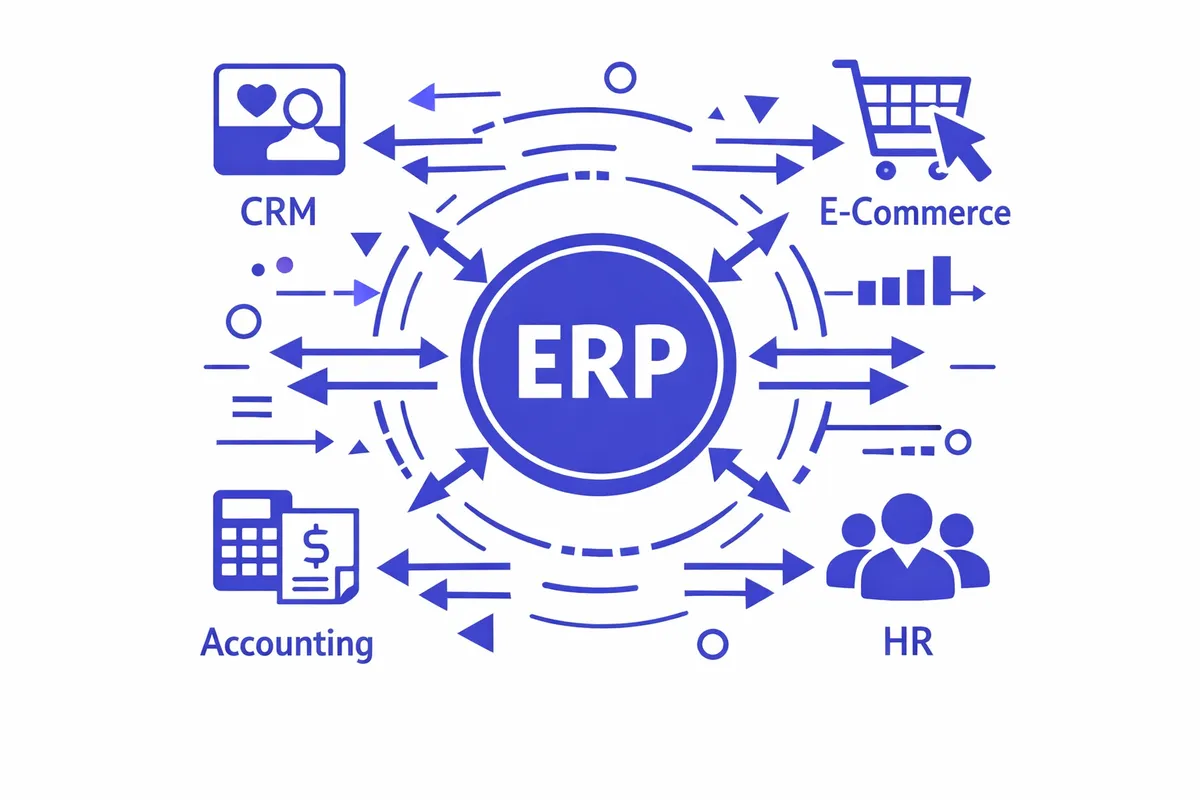
Every ERP integration engagement in Hermosa begins with a system audit. We document every software tool the business uses, map the data that flows between them today, and identify every manual data entry step that consumes staff time. For a Hermosa panaderia adding online ordering through a platform like Square Online or Toast, the audit maps how online orders, in-store POS transactions, and inventory are currently tracked and what the gaps cost in staff hours per week.
From the audit, we design an integration architecture that matches the operational reality of the business. Hermosa's small businesses often need simpler architectures than large enterprises, but simpler does not mean less careful. A two-system integration between a POS and QuickBooks requires the same attention to field mapping, error handling, and data validation as a more complex multi-system build. We design for reliability: when data sync fails, the failure is captured, logged, and queued for retry rather than silently dropping records.
Testing for Hermosa businesses includes scenarios that reflect the seasonal patterns of the neighborhood. The week before the holiday season, quinces catering demand for event-focused businesses, and the slower January period all produce different transaction volumes and patterns. We test against realistic data from the business's actual operation rather than synthetic test data that may not reflect the edge cases that cause integration failures in production. Documentation is delivered in plain language, not technical spec format, so owners and managers can understand what the integration does and recognize when something is not working correctly.
Industries We Serve in Hermosa
Taquerias and Food Service: Armitage Avenue and North Avenue food businesses managing POS transactions, food cost, and delivery platform orders need those data streams connected to a single accounting view. We integrate Toast, Square, and Clover with QuickBooks or Xero, pulling delivery platform revenue from DoorDash and Grubhub into the same reporting environment as in-store sales.
Panaderias and Bakeries: Hermosa's bakery businesses manage wholesale accounts, retail walk-in customers, and custom order production. When wholesale invoicing, retail POS, and production costs live in separate tools, margin analysis is impossible without manual assembly. We integrate order management, POS, and accounting systems so bakery owners see their true cost per product and per channel.
Auto Repair Shops: Pulaski Road auto shops managing repair orders, parts inventory, and labor billing across disconnected systems benefit from integration that connects shop management software with accounting. We reduce the manual data entry that currently moves repair order totals into QuickBooks and sync parts inventory against both repair usage and counter sales.
Family Medical Practices: Medical practices along Hermosa's commercial corridors manage patient billing, insurance reimbursements, and scheduling across specialized platforms. We integrate practice management systems with accounting to produce the revenue reporting and accounts receivable visibility that practice administrators need to manage cash flow.
Salons and Personal Care: Hermosa salons managing appointment booking, retail product sales, and staff commission payroll across separate tools can consolidate those data flows through ERP integration. We connect booking platforms, POS, and payroll systems to reduce the manual reconciliation that currently occurs at each pay period.
Small Grocers and Bodegas: Neighborhood grocery stores on Kostner Avenue and throughout Hermosa manage inventory, supplier invoices, and sales across systems that often do not connect. We integrate inventory management with point-of-sale and accounting to give store owners accurate cost-of-goods data and automatic reorder triggers when stock falls below threshold.
What to Expect Working With Us
1. System Audit and Discovery: We document every software tool your Hermosa business uses, assess whether each system has an accessible API or data export, and map the integration paths that will deliver the most operational value. This phase produces a written integration roadmap prioritized by impact and implementation complexity.
2. Architecture and Design: We produce integration architecture documentation covering which systems connect, in which direction, at what frequency, and with what transformation logic to handle format differences between platforms. Field mapping specifications are reviewed and approved before any development begins.
3. Build and Testing: We build with error handling and monitoring included from day one, test with realistic business data including the seasonal volume patterns common in Hermosa's retail and food service economy, and run independent reconciliation checks on financial integrations to confirm the numbers match before go-live.
4. Launch and Documentation: We deploy with monitoring active, provide post-launch support during the stabilization period, and deliver documentation written for non-technical business owners. Your staff should be able to recognize a working integration from a broken one without needing to contact us.