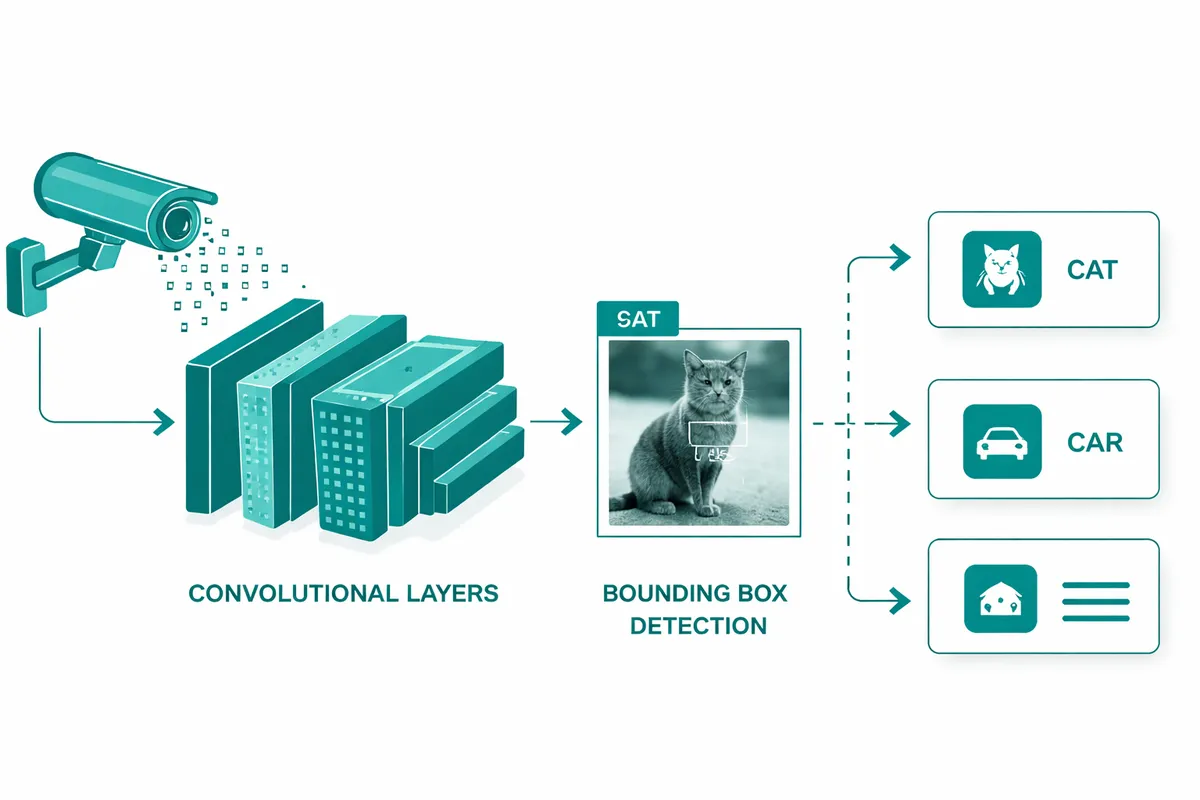
How We Build Computer Vision in Hermosa
We identify the visual tasks that take the most time or produce the most errors. Then we deploy cameras or connect to your existing image sources and train AI models on your specific needs. For a bakery, that might be product quality monitoring that flags items that do not meet your presentation standards before they reach the display case. For an auto shop, parts identification from photos that shortens lookup time from five minutes to seconds. For a retailer, automated shelf inventory counting that generates low-stock alerts continuously instead of waiting for a scheduled manual count. Every deployment is designed for simplicity, with minimal hardware and easy operation that does not require your staff to learn complex new software.
Industries We Serve in Hermosa
Bakeries and food businesses along Armitage Avenue use computer vision for product presentation consistency, portion control monitoring, and packaging verification. Visual quality control runs automatically during production, generating alerts when items fall outside your standards and creating a record of quality that demonstrates consistency to wholesale customers and food service partners.
Auto repair shops near Pulaski Road deploy computer vision for parts identification from photos. Technicians photograph a part and the system identifies it, checks your parts inventory, and suggests compatible replacements from your current stock or preferred suppliers. The lookup process that previously took five minutes of searching through catalogs happens in under thirty seconds, which adds up across twenty or thirty vehicles per day.
Retail stores on Fullerton Avenue use computer vision for automated inventory counting. Camera-based stocktaking replaces manual counts, saving hours each week and improving accuracy from the 80 to 85 percent typical of periodic manual methods to 95 percent or better with continuous monitoring. Low-stock alerts ensure popular items are restocked before customers encounter empty shelves.
What to Expect Working With Us
1. Operational focus session: We spend the first meeting understanding your specific visual pain points. What tasks take the most time? Where do errors occur most often? What would change in your operations if you had accurate, continuous visual monitoring? This focus ensures we build solutions that deliver immediate value.
2. Practical hardware planning: We audit what cameras and image sources you already have and design the computer vision deployment around existing infrastructure wherever possible. New hardware is added only where coverage gaps make it necessary, and we use reliable, simple equipment that your staff can maintain.
3. Model training on your specifics: We train AI models on your actual products, parts, or inventory items. A generic product recognition model will not reliably identify the specific parts in your auto shop's inventory or the specific pastry presentations your bakery produces. Custom training is what makes the system accurate enough to be useful.
4. Handoff and ongoing support: We train your team on the system in a single session. After handoff, we provide monthly check-ins for the first three months to refine model performance and expand coverage based on what the real-world data reveals about your operations.