How We Build Supply Chain Automation for Gold Coast
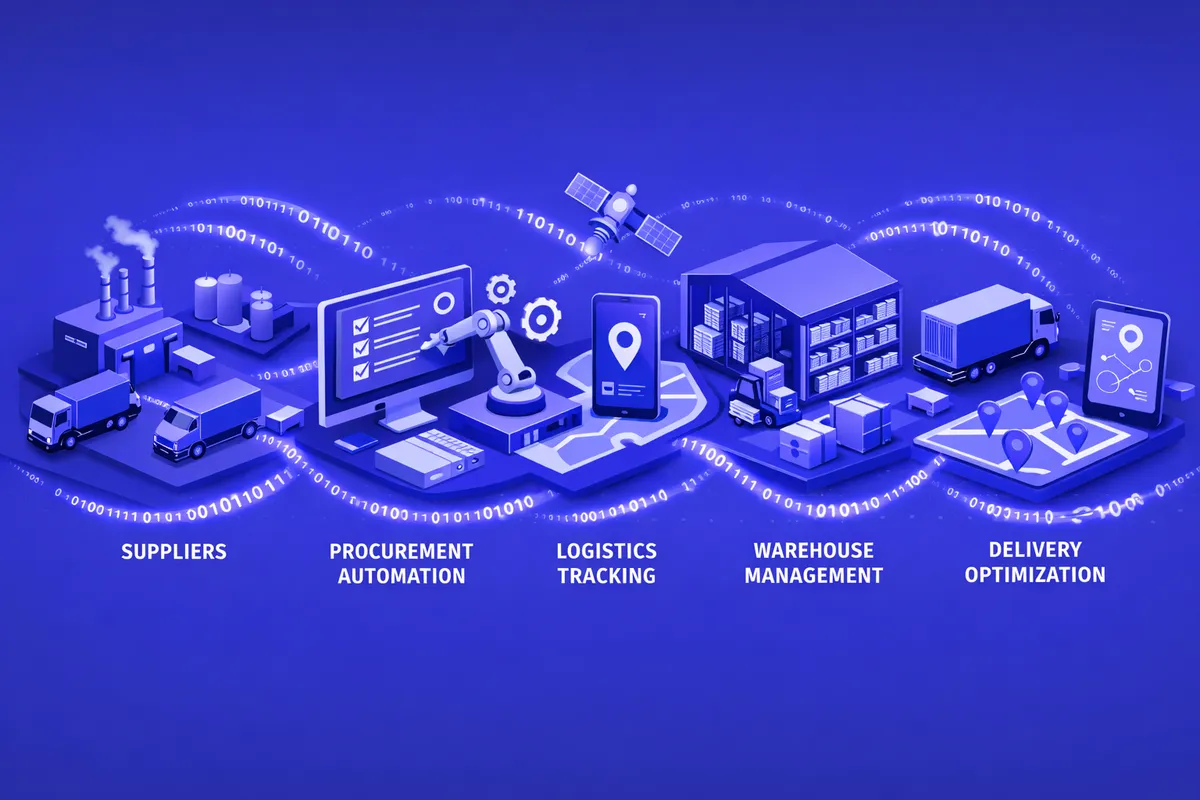
Discovery starts with the purchase order, not the inventory system. We trace the full lifecycle of a product at a Gold Coast boutique from the moment the buyer makes a selection decision at a trade show or showroom through delivery, receiving, tagging, floor placement, and eventual sale or return to vendor. That end-to-end trace identifies the handoffs where information is lost, the delays introduced by manual steps, and the moments where a data gap requires a staff member to stop and make a phone call.
The automation architecture we design addresses each of those points. For a Gold Coast retailer sourcing from European suppliers, that might mean a structured intake form that captures the initial buy decision in a format that auto-generates the PO draft, sends a confirmation to the supplier, and creates an expected receipt record in the inventory system before a human has to manually enter anything. The buyer selects the items. The system does the paperwork.
Supplier communication automation is often the most immediate win. Rather than tracking supplier confirmations in an email inbox, we build a system that follows up automatically on unacknowledged POs, escalates past a defined number of days, and flags any shipment that is approaching expected receipt date without a confirmed dispatch. The buyer receives a daily digest of exceptions rather than monitoring every supplier thread individually.
For consignment operations, which are common in the Gold Coast gallery and luxury retail market, we build specific workflows that track consignment terms, generate vendor settlement reports at the agreed intervals, and flag items approaching their consignment end date that have not sold. These workflows replace the spreadsheet-and-email approach that most Gold Coast consignment operations currently use, and they reduce settlement errors that damage supplier relationships.
Industries We Serve in Gold Coast
Luxury fashion boutiques on Oak Street and State Street manage supply chains that involve European ateliers with long lead times, domestic designers with shorter windows, consignment arrangements with independent makers, and the seasonal buying calendar that compresses all of it into a few high-stakes weeks. Supply chain automation gives buyers clean inventory velocity data going into each season's buying trip, reduces the manual coordination work between buying and receiving, and ensures that reorder triggers fire based on actual sell-through rather than someone's memory of what moved last year.
Art galleries and fine art dealers near the Newberry Library manage acquisition, provenance tracking, consignment terms, and shipping logistics for high-value inventory where each piece has a unique record. Supply chain automation for galleries involves acquisition tracking from the moment a work is considered through acceptance, handling, insurance, and placement, with consignment settlement workflows that calculate vendor payments and generate documentation without manual calculation.
Specialty food and wine merchants along Dearborn Street and near Washington Square Park manage supplier relationships with imported food producers, domestic craft producers, and the distributor tier that sits between them and some suppliers. Automated reorder triggers based on par levels, upcoming event catering orders that require stock reservation, and the seasonal allocation management that wine merchants negotiate with sought-after producers are all candidates for automation that reduces the buyer's coordination burden.
Medical supply and specialty practice procurement for the physician and specialist practices near the Cathedral of the Holy Name involves managing clinical supply inventory alongside the administrative overhead of vendor contracts, formulary compliance, and the expiration date tracking that makes medical supply management distinct from general retail procurement. Automation that tracks expiration dates, generates reorders against clinical usage data, and flags substitutions when a preferred supplier is on backorder reduces both waste and the risk of supply disruptions in a clinical environment.
Interior design firms working Gold Coast residential projects manage procurement supply chains for custom furniture, imported tile and stone, specialty hardware, and the custom millwork pieces whose lead times can run four to six months. Automated PO tracking, delivery coordination, and project-level procurement reporting that tells the designer exactly what is on order, what has shipped, and what is behind schedule across every vendor for a Dearborn Street renovation keeps projects on schedule without daily supplier calls.
Luxury beauty and spa supply for the personal care businesses on Rush Street involves managing retail product inventory, professional treatment supply, and the certification and compliance tracking for imported cosmetic products that require specific documentation for U.S. distribution. Automated low-stock alerts, supplier lead time tracking, and the seasonal ordering calendar for treatment products tied to Gold Coast's spa booking patterns reduce the out-of-stock situations that frustrate both clients and practitioners.
What to Expect Working With Us
1. Supply chain process audit. We document your current procurement workflow from buying decision to floor placement, trace the information handoffs between each step, and identify the manual touchpoints that automation can replace. For a Gold Coast boutique with an international supplier base, this audit often reveals that a significant portion of buyer time is consumed by coordination work that requires no specialized judgment: following up on PO acknowledgments, updating expected receipt dates, generating consignment settlement calculations.
2. Automation architecture and system selection. We design the automation framework that fits your supplier mix, your existing inventory and POS systems, and your team's technical comfort. For smaller Gold Coast boutiques, that might mean a well-configured Airtable or Monday.com workflow with supplier-facing forms and automated communication. For larger operations or those with complex consignment structures, it means a more robust ERP or supply chain management platform. We present the recommendation with clear reasoning before any configuration begins.
3. Configuration, integration, and supplier onboarding. We configure the automation workflows, integrate them with your POS and inventory management system, and onboard your supplier base to the new communication protocol. For European suppliers accustomed to email, that often means a simple supplier-facing form that feeds their confirmation into your system without requiring them to learn new software. The goal is a workflow that your suppliers find straightforward and your team finds invisible in its day-to-day operation.
4. Buying season readiness and ongoing optimization. The first test of any supply chain system is buying season. We schedule a review three to four weeks before your next major buying trip to ensure the inventory velocity analytics are accurate, the reorder triggers are set correctly, and the consignment tracking is current. After the first full seasonal cycle, we review performance against your pre-automation baseline and adjust any workflows that did not deliver the expected efficiency.