How We Build No-Code Platforms for Gold Coast
The platform selection conversation happens before anything is designed or built. We sit with your team at your offices, whether that is a consulting room on Astor Street or a studio space near Washington Square Park, and map the exact workflow the tool needs to support. That mapping determines the right platform. An intake system that needs to display beautifully to clients and collect structured data belongs on a different platform than an internal operations tracker that only your staff uses.
For Gold Coast professional service firms, the interface standard matters more than in many other markets. A no-code client portal that looks like it was built over a weekend does not project the professionalism expected from a firm whose office is two blocks from the Cathedral of the Holy Name. We design no-code implementations with the same visual care as custom builds: clean layouts, brand-consistent color and typography, mobile responsiveness for clients who will access the tool on their phones.
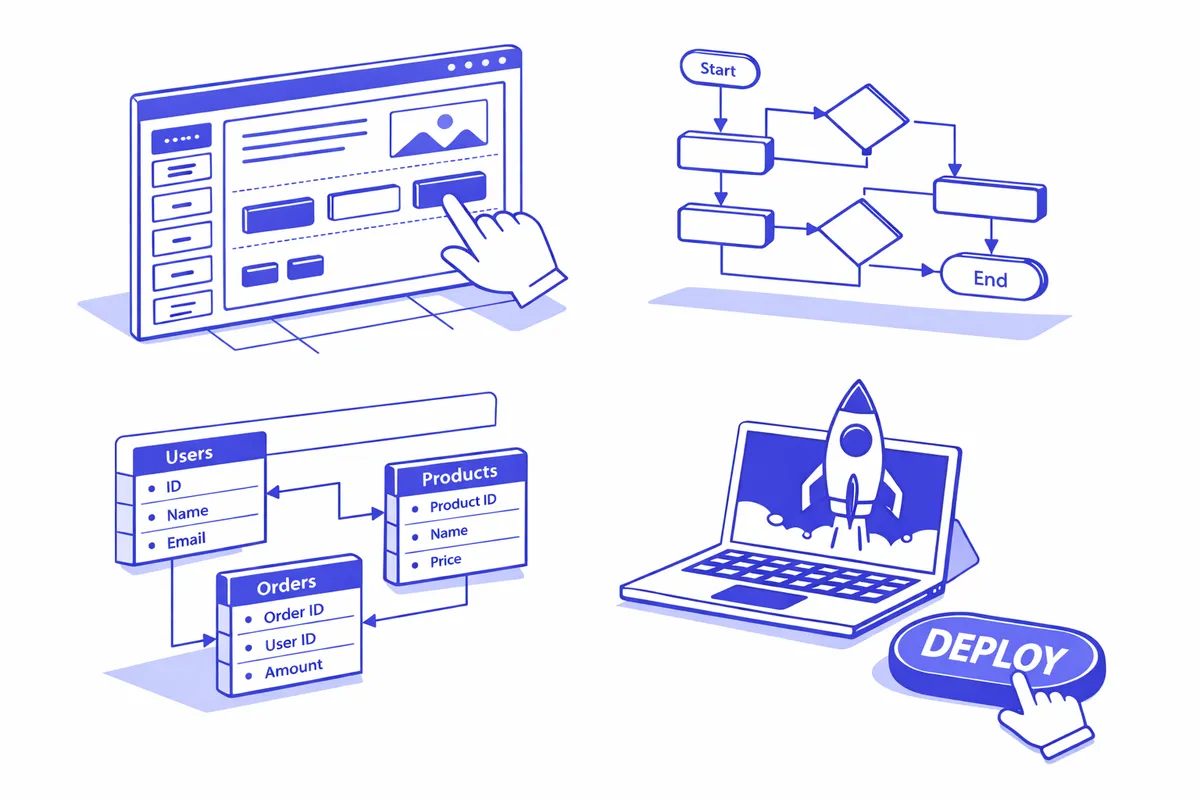
Build happens iteratively with your team testing at each stage. A luxury spa's intake system goes through three review rounds before it touches a client: first with the front desk staff who will send it, then with a therapist who will use the resulting data, then with a partner who approves the final client-facing design. Each round produces specific feedback that shapes the next version. The final system reflects your team's actual process rather than a consultant's best guess at what that process should be.
We document every system we build so your team can make simple updates independently. You are not calling us to add a new field to a form or update a dropdown option. The goal is a tool your team owns.
Industries We Serve in Gold Coast
Private wealth management and financial advisory firms on Astor Street and State Street use no-code internal tools to track prospect pipelines, manage meeting notes linked to client records, and coordinate team handoffs without purchasing enterprise CRM licenses for a ten-person firm. Airtable-based prospect trackers and Notion-based meeting prep systems deliver eighty percent of the functionality of enterprise software at a fraction of the cost and maintenance overhead.
Luxury interior design firms working Gold Coast's residential renovation market use no-code client portals to manage the client-facing side of active projects. Clients on Dearborn Street access a Webflow-based portal to review mood boards, approve material samples, and track project milestones without exchanging dozens of emails. The designer updates the portal from their phone or laptop and the client sees changes immediately, maintaining the premium communication standard that Gold Coast clients expect.
Medical and dental specialists near the Newberry Library use no-code intake and consent systems that collect patient information, service preferences, and consent signatures before the first appointment. These systems replace paper forms and manual data entry, feed organized records into the practice management system, and project a professional digital presence that aligns with the caliber of care the practice provides.
Art galleries and luxury retail boutiques along Oak Street use no-code tools for everything from private sale tracking to consignment management to VIP client gift registries. A gallery coordinating provenance research and purchase inquiries for multiple concurrent exhibitions benefits from an Airtable-based inquiry tracker that assigns leads to staff, tracks follow-up status, and surfaces inquiries that have gone cold without a response.
Beauty and spa service businesses on Rush Street implement no-code booking enhancement tools that collect detailed client preferences, service history notes, and product sensitivities before appointments. These tools sit alongside existing booking platforms and create a richer client record that each service provider reviews before the session, enabling the personalized experience that justifies Gold Coast pricing.
Event and private dining operations in Gold Coast's restaurant corridor use no-code event inquiry and coordination systems that replace email threads for private dining requests. A restaurant near Division Street that handles twenty private event inquiries monthly needs a system that captures event details, routes to the right team member, tracks the proposal and confirmation status, and generates the event brief that goes to the kitchen and front-of-house staff. No-code builds that pipeline without a software development engagement.
What to Expect Working With Us
1. Workflow mapping and platform selection. We document the exact process the tool needs to support, identify the inputs and outputs, and assess which no-code platform fits your team's technical comfort, your integration requirements, and your client-facing quality standards. For a Gold Coast wealth advisory firm, that might mean Airtable for internal pipeline tracking and Webflow for any client-facing component. We present the recommendation with a clear rationale before any build begins.
2. Design and prototype review. Before configuring the full system, we build a working prototype with your actual data fields and your branding applied. Your team tests it against real workflow scenarios. For a Gold Coast luxury retailer, that means your sales staff walk through the gift registry workflow with a real client scenario, not a generic demo. Feedback from this review shapes the final configuration.
3. Configured build with integrations. We build the complete system with all integrations to your existing tools: calendar sync, email notifications, payment processing if applicable, and connections to your CRM or practice management software. Every automation is tested end-to-end with real data before handoff. You receive the working system, full documentation, and a recorded walkthrough.
4. Team training and sixty-day check-in. We train your team on both daily operation and the simple administrative tasks they will own going forward. Sixty days after launch, we review usage patterns, identify any workflows that need adjustment, and make refinements based on how your team has actually used the system. Most Gold Coast businesses find one or two workflow gaps in the first sixty days that are straightforward to fix once real usage surfaces them.