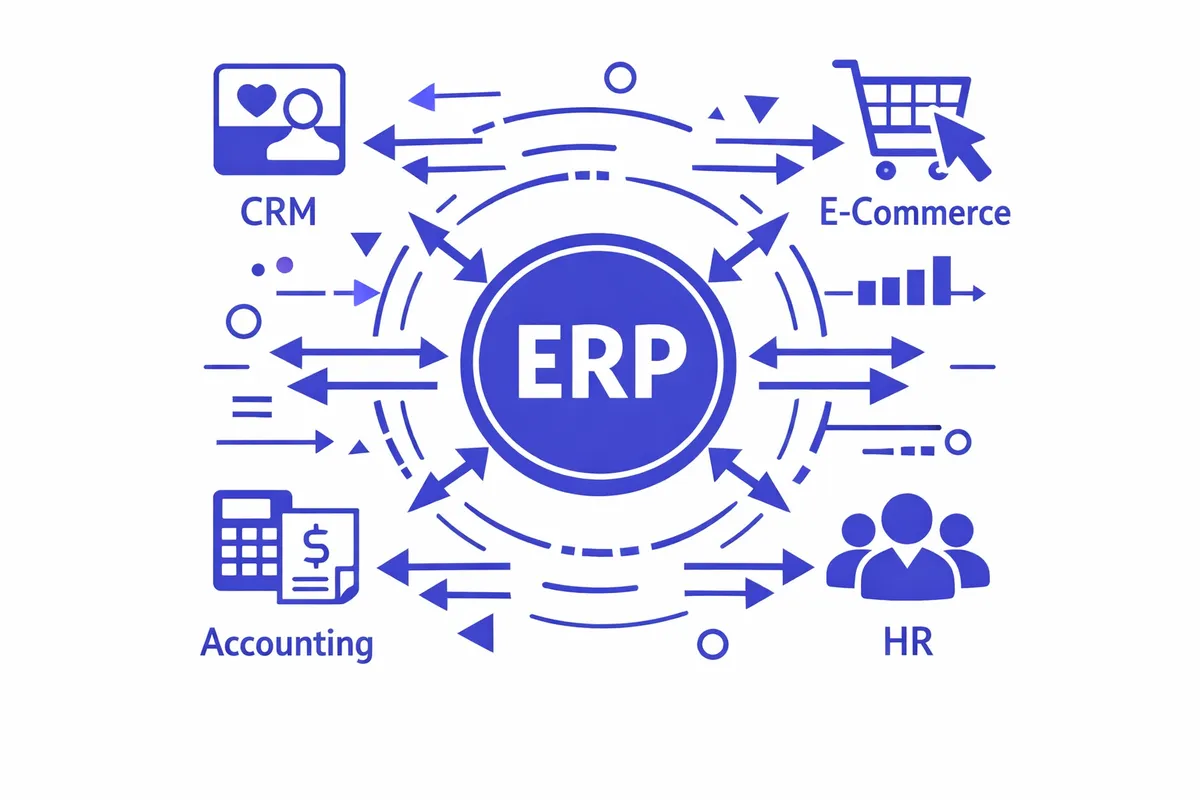
How We Build ERP Integration for Gold Coast
Every Gold Coast engagement begins with a compliance-first systems audit: mapping every platform your business runs, the data each system owns, the regulatory or contractual requirements that apply to each data type, and the integration gaps that create compliance exposure or operational cost. For wealth management firms, this audit specifically addresses the record-keeping requirements under relevant regulatory frameworks and identifies the specific data flows that integration must maintain accurately to satisfy those requirements.
Integration architecture for Gold Coast businesses is designed with audit trail integrity as a primary requirement, not an afterthought. Every data synchronization event is logged with timestamp, source system, destination system, and data record. Reconciliation reporting identifies discrepancies between connected systems before they compound into reporting errors. For regulated businesses, the integration architecture is documented in a form that satisfies examiner requirements for systems and controls documentation.
Implementation is phased by risk priority. For wealth management firms, the highest-risk integration gap, typically the client data synchronization between CRM, custodial platform, and billing, is addressed first. For luxury professional practices, the highest-priority integration is typically the patient or client record synchronization that affects client experience and billing accuracy simultaneously.
Industries We Serve in Gold Coast
Wealth Management and Registered Investment Advisers: Wealth management firms on Astor Street and Dearborn Street managing client relationships in Salesforce, portfolio data in custodial platforms, billing in practice management software, and compliance documentation in document management systems need integration that synchronizes all four systems accurately, maintains complete audit trails, and produces compliant client reporting without manual data assembly.
Luxury Medical and Dental Practices: Medical and dental specialists on Rush Street and Oak Street managing patient records, insurance billing, supply procurement, and practice financials across separate platforms need integration that creates a complete, accurate patient record at every touchpoint, automates insurance billing workflows, and connects supply procurement to practice financial reporting.
Interior Design and Architecture Firms: Luxury interior design firms near 900 North Michigan managing client project scopes, supplier procurement, contractor billing, and client invoicing across multiple platforms need integration that tracks all project costs against client contracts in real time, automates reimbursable expense capture, and generates accurate client billing from project records rather than manual compilation.
Law Firms and Professional Service Practices: Law firms and accounting practices along State Street and Division Street managing matter management, time tracking, billing, and client relationship data across separate platforms need integration that connects billable time from tracking to invoicing automatically, synchronizes client data between matter management and CRM, and produces accurate billing without manual reconciliation between systems.
Luxury Hospitality and Personal Services: Luxury spa, beauty, and personal service businesses on Oak Street and Rush Street managing appointment booking, client records, retail inventory, and billing need integration that creates a unified client history across all service types, synchronizes retail inventory with accounting, and enables the personalized service experience that Gold Coast clientele expect.
Cultural and Educational Institutions: Institutions near the Newberry Library and Washington Square Park managing donor relationships, membership, event ticketing, and financial reporting need integration that connects donor management to accounting, synchronizes membership records to billing, and produces the foundation and grant compliance reports that institutional funding requires.
What to Expect Working With Us
1. Compliance-First Audit. For Gold Coast businesses in regulated industries, our systems audit begins with the regulatory record-keeping requirements that apply to your practice, then maps your current systems against those requirements to identify specific compliance gaps that integration must address. For wealth management firms, this includes review of relevant SEC or FINRA record-keeping rules.
2. Integration Architecture with Audit Trail Design. We design the integration architecture and the audit trail logging that it produces. For regulated businesses, audit trail documentation is designed to satisfy examiner standards, not just internal operational convenience. You review and approve the architecture, including the audit logging design, before any development begins.
3. Phased Implementation by Risk Priority. The highest-risk integration gap is addressed first. For regulated businesses, this typically means the client record synchronization that most directly affects compliance documentation accuracy. Each phase is tested against real transaction data and validated against your record-keeping requirements before going live.
4. Ongoing Monitoring and Compliance Support. Post-launch monitoring includes reconciliation reporting that identifies data synchronization discrepancies before they compound. For regulated businesses, monitoring is designed to support ongoing compliance rather than just operational reliability.