How We Build Computer Vision for Gold Coast
We begin by defining the specific questions your visual analysis should answer. Computer vision without clear objectives produces data without insight. We work with your team to identify the operational questions that would most change your decisions if you had precise data to answer them. For a luxury retailer on Oak Street, that might be: Which floor zones drive the highest conversion from browse to purchase? Which display configurations generate the most engagement time? How does customer traffic change with product category placement? For a boutique hotel, it might be: Where do arriving guests experience friction in their path from entry to check-in? Which common area arrangements encourage social dwell versus transit?
We design the camera and sensor deployment that provides the visual field necessary to answer these questions without creating unnecessary coverage or privacy exposure. We are deliberate about what is captured, because Gold Coast clients and guests are accustomed to discretion and would notice surveillance approaches that feel invasive rather than operational.
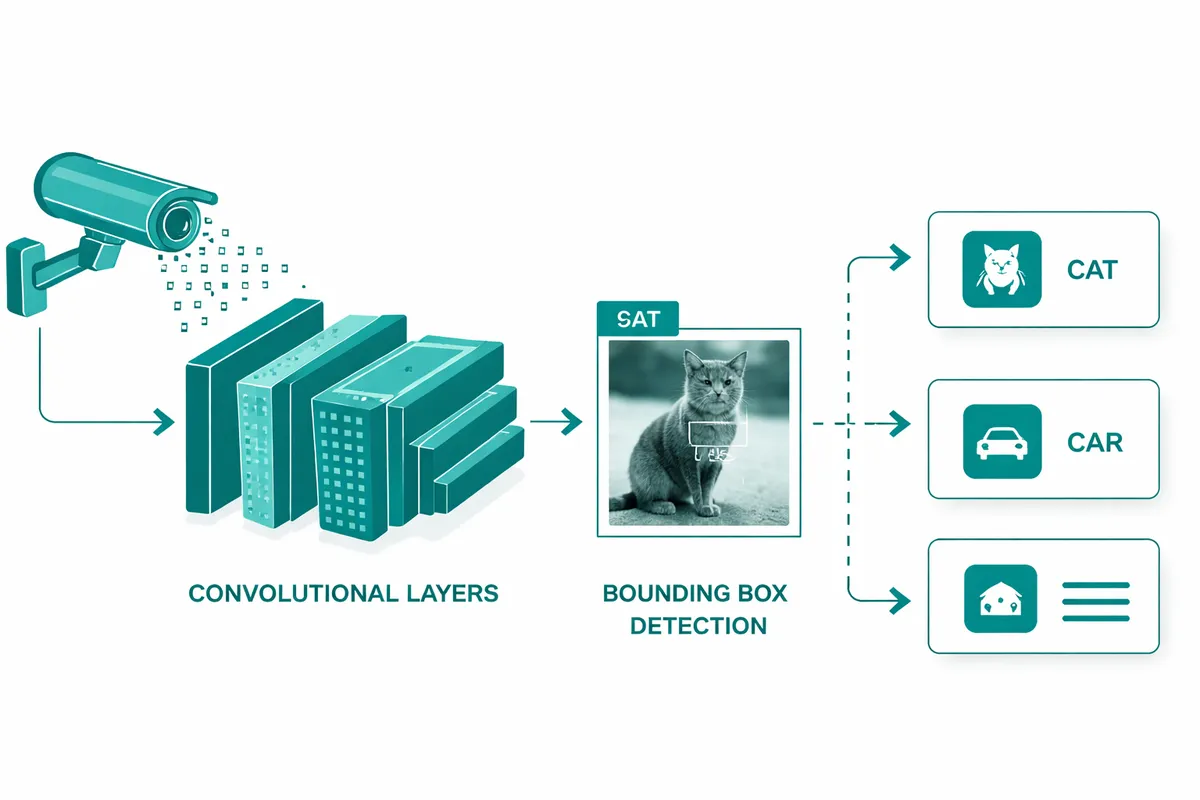
We build the analysis layer that translates video feeds into structured data: traffic counts by zone, dwell time measurements, engagement pattern identification, anomaly detection for security applications. The output is dashboards and reports that answer your operational questions directly, not raw video archives that require human review to extract meaning.
We implement with appropriate privacy controls. Analysis in retail and hospitality environments must respect applicable privacy regulations and the reasonable expectations of guests and customers. We design systems that analyze behavioral patterns without storing personally identifiable information and that comply with applicable privacy law.
Industries We Serve in Gold Coast
Luxury retail boutiques on Oak Street and Rush Street deploy computer vision for floor analytics: traffic patterns by zone and time of day, dwell time by product area, engagement rates with specific displays, and conversion analysis connecting visual engagement to purchase behavior. Merchandising and floor planning decisions become data-informed rather than intuition-dependent.
Boutique hotels and luxury hospitality near Washington Square Park and the Newberry Library deploy computer vision for lobby and common area analysis: guest flow patterns, check-in friction points, dwell time in amenity spaces, and occupancy patterns across the day and week. Operational adjustments to staffing, signage, and layout are based on observed guest behavior rather than manager intuition.
Fine dining and private dining venues on Division Street and throughout Gold Coast deploy computer vision for service flow analysis: table turn dynamics, service interaction timing, kitchen-to-table cycle analysis, and dining room flow optimization. Managers identify service inefficiencies that affect guest experience before they appear in reviews.
Art galleries and exhibition spaces near the Charnley-Persky House and throughout Gold Coast deploy computer vision to analyze visitor engagement with exhibitions: which pieces draw sustained attention, which areas of the gallery are undervisited, how visitor flow through the space changes with different installation arrangements. Curatorial and installation decisions incorporate visitor behavior data.
Luxury spa and wellness facilities on Oak Street and State Street deploy computer vision for space utilization analysis: which treatment areas and amenity spaces are most and least used, how guest flow through the facility changes at different times, and where waiting or crowding creates friction in the guest experience. Operational scheduling and space design improve based on observed utilization patterns.
High-end medical and aesthetic practices deploy computer vision for patient flow analysis in waiting and reception areas: wait time dynamics, reception desk utilization, and patient flow efficiency from arrival to treatment. The goal is reducing the friction that undermines patient experience before the clinical encounter begins.
What to Expect Working With Us
1. Objective definition and system design. We work with your leadership team to define the specific operational questions visual analysis should answer and design a system, including camera placement and analysis configuration, that addresses those questions within appropriate privacy parameters.
2. Installation and calibration. We install and calibrate the camera and sensor infrastructure. Calibration ensures that the analysis layer accurately interprets the visual field specific to your space, including the lighting conditions, layout, and visual complexity of your environment.
3. Analysis dashboard development. We build the dashboards and reports that deliver insight in formats your operators can act on directly. Data delivery is designed for decision-making, not raw data review.
4. Operational integration and training. We integrate visual intelligence into your operational review process and train your management team on interpreting and acting on the insights the system delivers. Data that does not change decisions is wasted. We design for operational use from the beginning.