How We Build Voice AI for Evanston
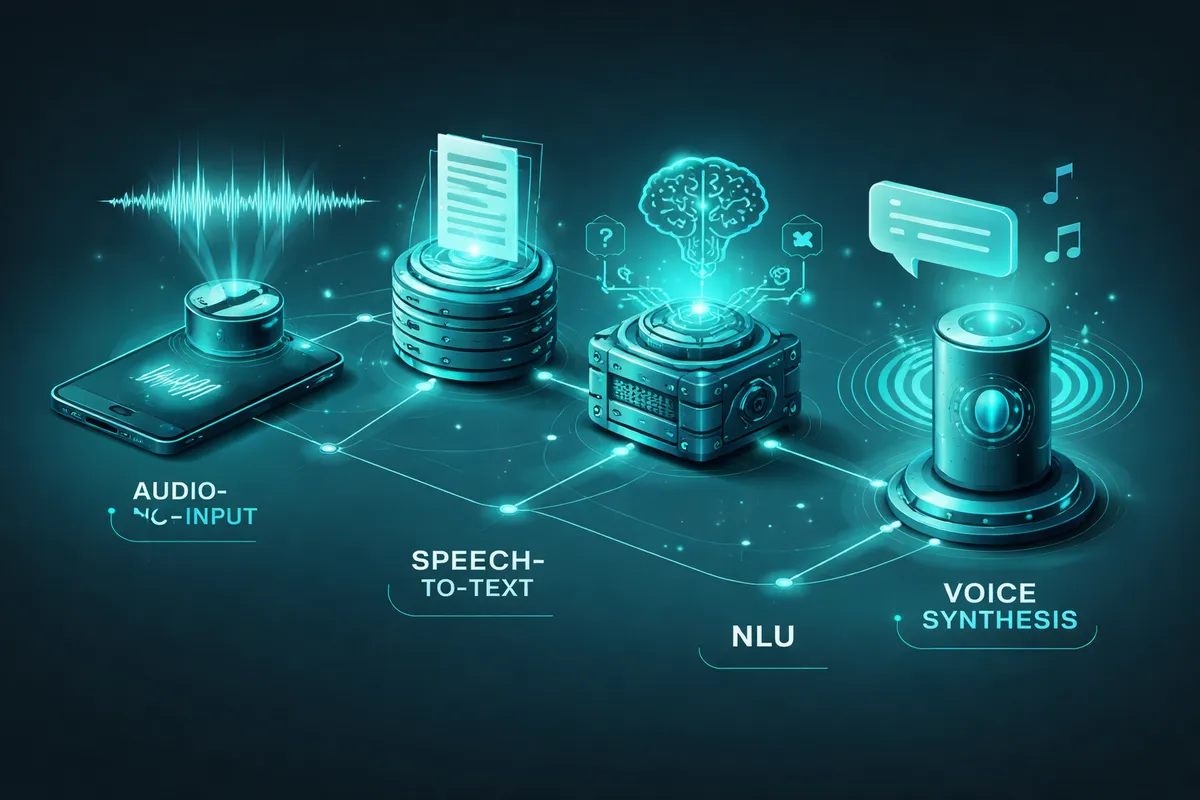
We start by auditing your current incoming call patterns. Using your call logs or practice management system data, we categorize calls by type: scheduling, insurance questions, existing patient or client inquiries, new intake, billing, and so on. We identify which categories are fully handleable by AI and which require human judgment. For most Evanston practices, the AI can handle 60 to 75 percent of call volume without any staff involvement.
We design your voice AI system with layered capabilities. The scheduling and booking layer integrates directly with your appointment management software, allowing the AI to offer real-time available times and confirm bookings without staff involvement. The information layer handles the question types your staff answers repeatedly: hours, location near Davis Street or Dempster Street, accepted insurance plans, parking near Ryan Field, and service descriptions. The escalation layer handles everything that falls outside the AI's scope, routing with context so the receiving staff member knows what the caller needs before saying hello.
We configure the voice AI to match your practice's communication standards. The AI uses your practice name, greets callers the way your staff does, and maintains the tone your clients expect. It does not sound like a call center. It sounds like your practice.
We integrate with your existing phone number and system. Your phone number does not change. Calls that need to reach a human ring through to the appropriate staff member or voicemail. Calls the AI handles are logged with full transcripts available for your review.
Industries We Serve in Evanston
Dental practices and orthodontic offices on Davis Street and throughout Evanston use voice AI to manage the high volume of appointment scheduling calls, answer questions about procedures and insurance, handle new patient intake, and process cancellation and rescheduling requests. Clinical staff concentrate on patient care rather than phone management.
Law firms in downtown Evanston near Sherman Avenue use voice AI to capture new client inquiries, collect initial matter information, schedule consultations, and handle after-hours calls from existing clients. The AI's ability to collect and organize intake information means attorneys begin client consultations already knowing the basic facts.
Medical practices and specialty clinics use voice AI to handle appointment scheduling, answer questions about procedures and referral requirements, manage insurance eligibility questions, and coordinate new patient onboarding. The AI's 24/7 availability is particularly valuable for practices serving Northwestern students and faculty whose schedules do not align with standard business hours.
Accounting and tax practices near Central Street deploy voice AI to manage the call surge during tax season, answer questions about service offerings and document requirements, schedule consultations, and handle year-round client inquiries about filing status and payment questions. The AI absorbs call volume spikes without requiring seasonal receptionist hires.
Wealth management and financial advisory firms use voice AI to field initial prospect inquiries, answer questions about minimum investment requirements and service offerings, schedule discovery calls, and handle existing client callback requests. The AI qualifies prospects before routing to an advisor, improving the quality of consultations.
Consulting and professional services firms near Grosse Point Lighthouse and throughout Evanston use voice AI to handle incoming service inquiries, schedule initial consultations, answer basic questions about expertise and process, and route more complex inquiries to the appropriate team member.
What to Expect Working With Us
1. Call audit and system design. We analyze your call patterns, categorize calls by type and handling requirements, and design a voice AI system matched to your practice. We present the design for your review and discuss the boundaries between AI-handled calls and human-handled calls before any technical work begins.
2. Voice AI training and phone system integration. We train the AI on your practice-specific information, configure the scheduling and information layers, and integrate with your existing phone system and appointment management software. We set up call logging and transcript delivery so you can monitor what the AI is handling.
3. Testing and calibration. We run the voice AI in a test phase using simulated calls before it handles real callers. Your staff interacts with the system to verify that it sounds right, gives accurate information, and routes appropriately. We adjust based on feedback before the system goes live.
4. Go-live monitoring and refinement. The system goes live for all incoming calls. We monitor call handling quality intensively for the first 30 days, identifying and correcting errors. Monthly reviews track performance metrics and identify opportunities to expand the AI's scope as the system proves reliable.