How We Build UI/UX Design for Evanston
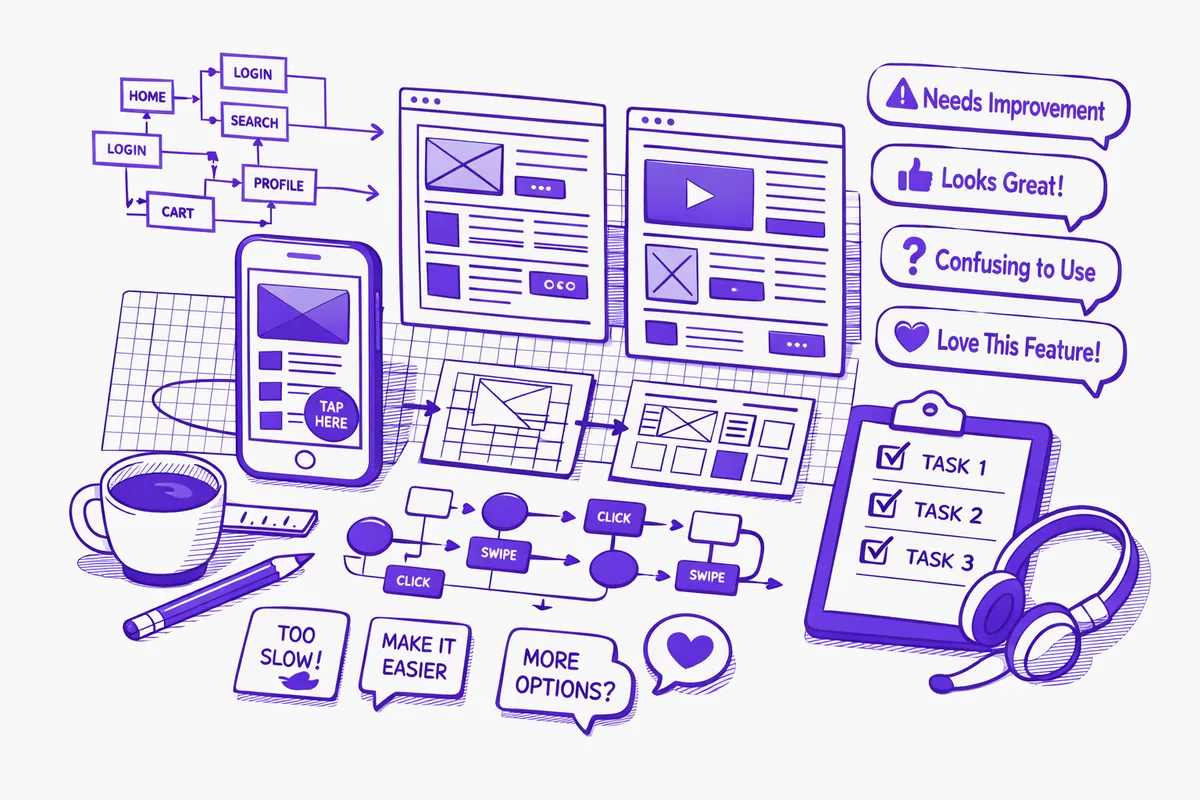
Evanston's market calls for research methods that match the population's sophistication. Usability testing with Northwestern students and Evanston professionals surfaces different issues than testing with general populations, because these users have more refined expectations and articulate their frustrations more precisely. That specificity is an asset for design work: participants tell us not just that something is confusing but why, and what they expected instead. We recruit research participants from Evanston's professional community, the Evanston Public Library user base, and Northwestern's student populations depending on who the product serves, and we structure sessions to capture the specific insights this population generates.
Information architecture for Evanston professional services products reflects how these professionals think about their client relationships, not how general-purpose SaaS products organize similar functions. A therapist practice near Dawes Park organizes its work around the therapeutic relationship, not around intake forms and billing codes. A law practice on Sherman Avenue thinks in terms of client matters, not tickets. We design information structures that match the professional's mental model so that their team can use the tool without learning a foreign vocabulary, while presenting the client-facing layer in terms the client can navigate without professional background.
We build high-fidelity prototypes and test them with Evanston participants before handoff. For Northwestern-adjacent founders building software for professional markets, this validation step is particularly important because the founder's proximity to the problem can blind them to interface issues that real users encounter. A Kellogg MBA who built a wealth management tool for advisors knows the domain deeply and may miss navigation problems that an actual wealth management client, who does not share that background, encounters immediately in a 30-minute usability session.
Industries We Serve in Evanston
Wealth management and financial advisory firms near Grosse Point Lighthouse and the Evanston shoreline serve clients who evaluate their advisors continuously. We design client portals, portfolio reporting interfaces, and secure communication tools that present financial information clearly and position the advisor as a trusted steward of complex decisions, not just a platform that delivers numbers.
Legal and professional practices along Sherman Avenue and Ridge Avenue handle matters where clients are stressed, the stakes are high, and clarity is essential. We design client intake flows, matter management portals, and billing interfaces that give clients a clear view of where their matter stands, what is needed from them next, and how to reach their attorney without adding to the overhead of a practice that bills by the hour.
Therapists and counselors serving Evanston's residential and Northwestern communities need client-facing tools that feel safe and private from the first interaction. Appointment scheduling, intake questionnaire design, and session note access built for the specific context of mental health practice, with accessibility considerations for clients who may be navigating a difficult period in their lives.
Independent restaurants and cafes on Davis Street and Dempster Street operate in a market that includes both the Northwestern student economy and Evanston's family residential population. We design ordering, reservation, and loyalty experiences for restaurant operators who want to compete with national chains on the quality of the digital experience without the national chain's development budget.
Northwestern-adjacent founders building vertical software for professional markets benefit from design work that validates their domain expertise against actual users. Founders who come from McCormick or Kellogg bring deep problem knowledge. UI/UX design adds the research and testing layer that translates that knowledge into interfaces that work for people who do not share the founder's background.
Boutique fitness studios and wellness practices near Ryan Field and along Central Street serve a client base that has used enough fitness and wellness apps to know the difference between one designed with care and one built without testing. Class booking, membership management, and wellness tracking interfaces designed for the Evanston market, where client retention depends on the quality of the digital experience between studio visits.
What to Expect Working With Us
1. Discovery and research. We start with the Evanston user. This means reviewing existing product data, conducting interviews with clients and users from the professional and university community, and mapping where the current experience breaks down. For professional services firms in Evanston, discovery often reveals that the biggest friction points are in the client communication flow, not in the primary service delivery interface.
2. Information architecture and wireframing. Structure before surface. We design how information and tasks are organized before committing to visual design. Wireframes are reviewed with Evanston stakeholders and tested in lightweight sessions with target users so that structural issues are identified before the expensive high-fidelity work begins.
3. High-fidelity design and prototyping. Pixel-precise interfaces built in Figma, with interactive prototypes that allow Evanston clients and test participants to experience the product before development. The prototype stage includes a round of usability testing with Evanston-representative participants so that the design entering development has been validated against real users.
4. Developer handoff and implementation support. Complete Figma documentation including annotated components, design system specifications, interaction notes, and spacing. We remain involved through development to review implemented screens against the tested design and to answer developer questions before issues become rework.