How We Build Prompt Libraries for Evanston
We start by inventorying the AI tasks your team runs most frequently. For a law firm on Davis Street, that inventory might include contract review and clause extraction, legal research summarization, draft brief introduction sections, client communication drafting, and deposition preparation question generation. For a consulting firm near Sherman Avenue, it might include market research synthesis, executive summary drafting, analytical framework application, and client recommendation framing.
For each task, we conduct a requirements interview with the team members who do that work. We need to understand what "good output" looks like for each task: what format it should be in, what level of detail is appropriate, what professional standards it should meet, what common errors to avoid, and what downstream use the output serves. That understanding shapes the prompt design.
We develop and test candidate prompts against a sample of real work products from your organization. Testing involves running the prompt against multiple inputs, evaluating the output against the professional standards your team identified, identifying failure cases and edge cases, and refining the prompt to improve performance on those cases. For complex tasks, we typically go through three to five refinement cycles before the prompt meets the consistency standard required for team-wide use.
We document each finalized prompt with usage guidance: what inputs it requires, what format those inputs should be in, what the output will look like, how to interpret and use the output, and what the common limitations are. The documentation is written for team members who did not participate in the development process, so the prompt library can be used by anyone on the team without needing to understand how it was built.
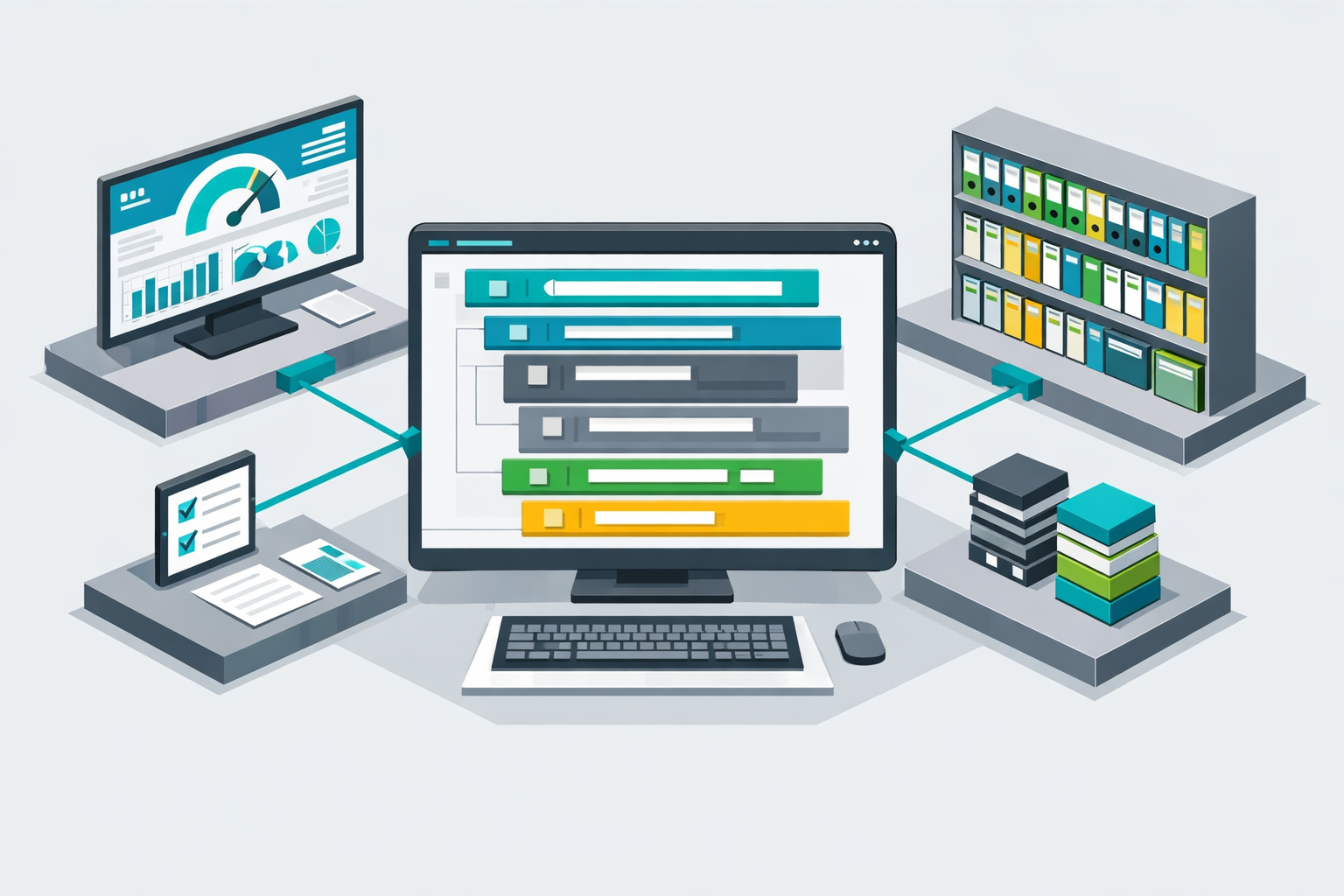
We organize the prompt library in a format that makes it accessible in your team's workflow. That might be a shared document, a dedicated prompt management tool, or integration directly into the AI tools your team uses. The goal is that a team member who needs to run a contract review task can find and use the appropriate prompt in under a minute.
Industries We Serve in Evanston
Law firms and legal practices on Sherman Avenue and throughout Evanston use prompt engineering for contract review and clause extraction, legal research summarization, brief and motion drafting assistance, client correspondence drafting, deposition preparation, and discovery response management.
Consulting and advisory firms near Central Street and Davis Street use prompt engineering for market analysis and research synthesis, client deliverable drafting, analytical framework application, executive summary and recommendation writing, and proposal development.
Accounting and tax practices near Grosse Point Lighthouse use prompt engineering for tax research summarization, client advisory letter drafting, financial analysis narrative, engagement documentation, and client communication templates for routine compliance matters.
Healthcare and medical practices near Dempster Street use prompt engineering for clinical note summarization, patient communication drafting, referral letter generation, insurance correspondence, and practice documentation standardization.
Wealth management and financial advisory firms use prompt engineering for client performance report narrative, investment research synthesis, client communication drafting for different life stages and risk profiles, and regulatory correspondence preparation.
Academic and research-adjacent organizations near Northwestern University use prompt engineering for literature review synthesis, grant narrative drafting, technical writing assistance, research communication for non-specialist audiences, and proposal development.
What to Expect Working With Us
1. Task inventory and requirements. We inventory your team's AI use cases and conduct requirements interviews for your highest-priority tasks. We document the professional standards, output format requirements, and quality criteria for each task before beginning prompt development.
2. Prompt development and testing. We develop candidate prompts for each prioritized task and test them against samples of your actual work. We refine prompts through multiple iterations until they consistently produce output that meets your professional standards. Testing and refinement typically takes two to three weeks per task category.
3. Documentation and library organization. We write usage documentation for each finalized prompt and organize the library in a format that is accessible in your team's workflow. We deliver the library with an overview guide that helps new team members understand how to use it.
4. Team training and adoption support. We deliver a training session for your team on using the prompt library effectively, including how to adapt prompts for variations in a standard task, how to evaluate AI output against your professional standards, and how to report prompt quality issues so the library can be maintained over time.