How We Build Multi-Agent Systems for Evanston
We begin by mapping the complex processes in your organization that involve multiple types of information, multiple specialized skills, or multiple sequential phases where each phase depends on the previous one. For a law firm, that mapping might identify litigation preparation, due diligence analysis, and contract review as the processes that are most resource-intensive and most amenable to multi-agent approaches. For a consulting firm, it might identify proposal development, research compilation, and client report generation.
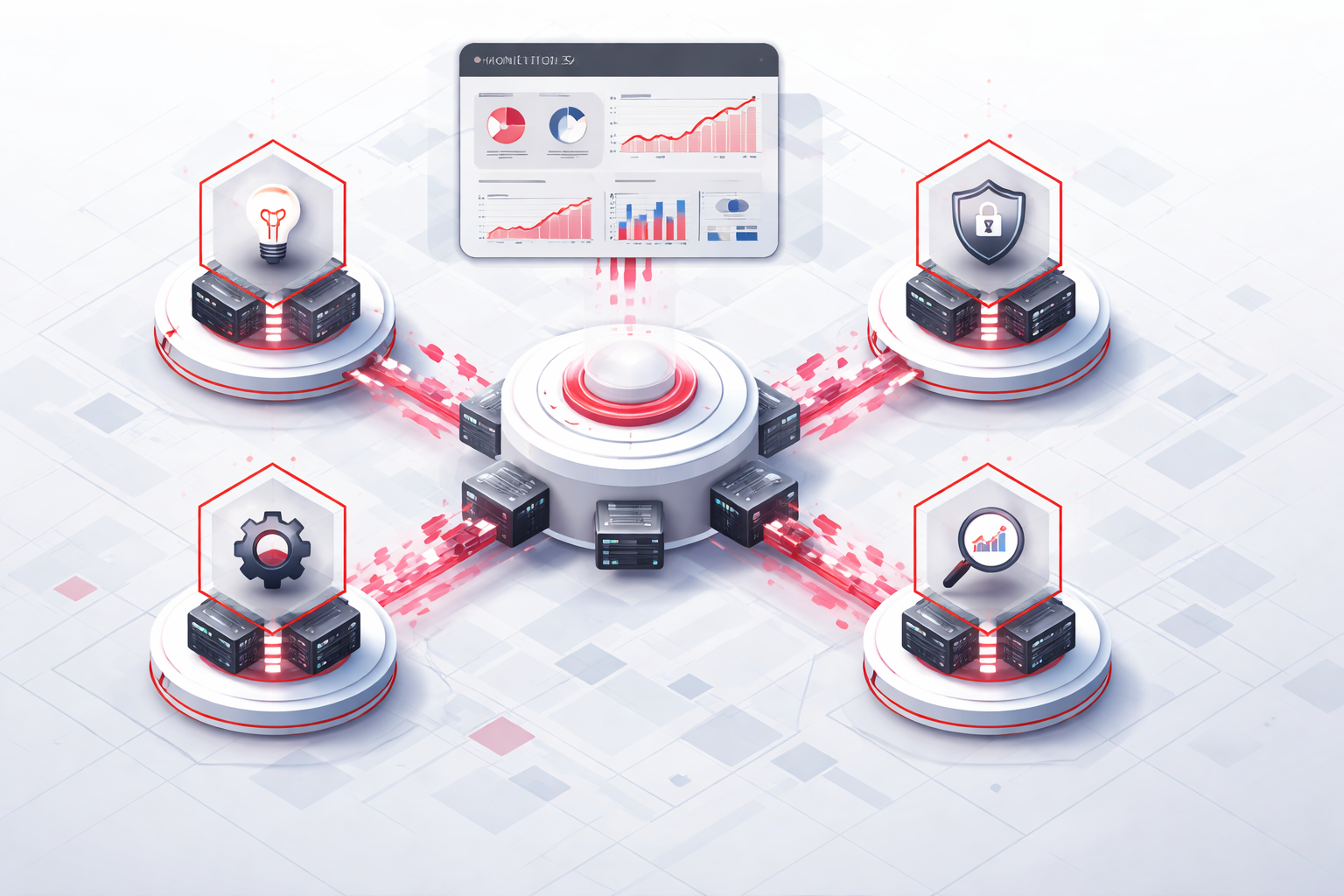
We design the agent architecture for each target process. Multi-agent design involves decisions about how many agents are needed, what each agent specializes in, how agents communicate with each other, which agents run in parallel versus in sequence, and how a coordinating agent synthesizes their outputs. These architectural decisions are made explicitly and documented before any development begins, because they are difficult and expensive to change after implementation.
We build specialized agents for each function within the system. A legal research agent is trained differently than a document analysis agent or a drafting agent, even if all three are built on the same underlying AI model. The specialization is achieved through careful prompt engineering, fine-tuning, and targeted knowledge integration specific to each agent's role.
We build the orchestration layer that coordinates agent activity. The orchestrating agent manages the workflow: assigning tasks, monitoring completion, handling errors and exceptions, routing agent outputs to the appropriate next step, and synthesizing final output. The orchestrator is designed to handle realistic variations: agent failures, incomplete outputs, ambiguous intermediate results, and exception cases that require different routing than the standard workflow.
Industries We Serve in Evanston
Law firms on Sherman Avenue and throughout Evanston use multi-agent systems for litigation preparation workflows that simultaneously process case law, discovery documents, and factual timelines; for due diligence processes that require parallel analysis of multiple document categories; and for contract review processes that apply multiple specialized analysis lenses to a single document set.
Consulting and advisory firms near Central Street and Davis Street use multi-agent systems for proposal development that simultaneously builds market context, competitive analysis, and solution framework; for engagement delivery workflows that coordinate research, analysis, and client communication generation; and for knowledge management systems that synthesize insights from multiple past engagements.
Wealth management and financial advisory firms near Grosse Point Lighthouse use multi-agent systems for quarterly reporting processes that simultaneously pull performance data, analyze market context, and generate client-specific narrative; for investment research processes that coordinate fundamental analysis, technical analysis, and market positioning assessment; and for client risk assessment workflows that process multiple data sources in parallel.
Healthcare and research organizations near Northwestern University use multi-agent systems for clinical documentation processes that coordinate note generation, coding, and compliance checking; for research synthesis workflows that process multiple literature sources simultaneously; and for regulatory submission processes that coordinate documentation across multiple specialized requirements.
Accounting and tax practices near Dempster Street use multi-agent systems for complex return preparation processes that coordinate document processing, research, and compliance checking; for financial statement analysis workflows that process multiple data sources and apply multiple analytical frameworks simultaneously; and for client advisory workflows that synthesize tax, investment, and estate planning considerations.
Professional training organizations near Northwestern use multi-agent systems for curriculum development processes that simultaneously assess learner needs, identify content requirements, and generate learning materials; and for competency assessment workflows that evaluate learner performance across multiple dimensions and generate personalized development recommendations.
What to Expect Working With Us
1. Process mapping and architecture design. We identify the complex processes in your organization that are candidates for multi-agent approaches and design the agent architecture for each. We document the design in detail and review it with your technical and operational stakeholders before development begins. This phase takes three to four weeks for most Evanston organizations.
2. Individual agent development. We build and test each specialized agent independently before integrating them into the coordinated system. Independent testing validates that each agent performs its specialized function reliably before the complexity of agent coordination is added.
3. Orchestration and integration. We build the orchestration layer and integrate agents into the coordinated system. We test the full system against realistic process scenarios, including normal cases and documented exception cases. This phase typically takes four to eight weeks depending on system complexity.
4. Deployment, monitoring, and iteration. We deploy the production system with full monitoring visibility. We track agent performance at both the individual and system levels, identify coordination failures or quality issues, and conduct regular improvement cycles based on production experience.