Integration Patterns for Evanston Organizations
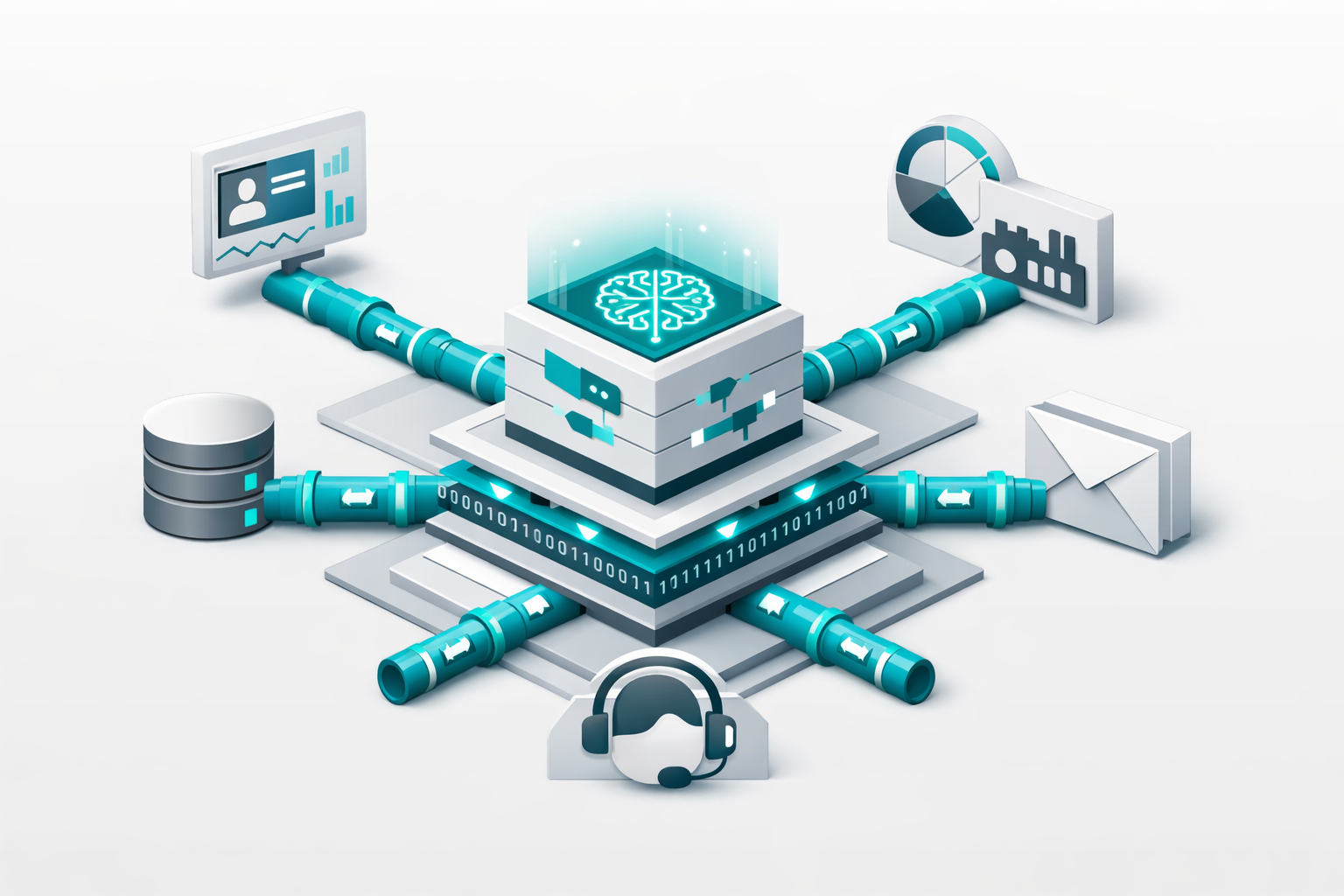
Research workflow integration connects AI capabilities to the data collection, analysis, and publication workflows that Northwestern research operations run. AI literature review tools integrate into the reference managers researchers already use. AI data analysis capabilities connect to the statistical platforms where researchers work. AI writing assistance integrates into the document editors where papers are drafted. Each integration is additive to existing workflows rather than replacing them.
Healthcare system integration connects AI capabilities to the practice management and electronic health record systems that Evanston medical practices run. AI documentation assistance integrates into existing clinical documentation workflows. AI appointment scheduling optimization connects to existing scheduling systems. AI patient communication personalization integrates with existing patient communication platforms. The integrations work within the HIPAA compliance constraints of existing systems.
Professional services integration connects AI to the client management, document production, and communication tools that Evanston's law firms, financial advisors, and consulting practices use. AI research and analysis capabilities integrate into the workflows where professionals do their substantive work. AI communication drafting integrates into email and document platforms. AI client analytics integrate into CRM and project management tools.
Nonprofit operations integration connects AI to the program management, donor management, and reporting systems that Evanston's nonprofit organizations use. AI grant writing assistance integrates into the document environments where proposals are written. AI donor analytics connect to existing fundraising databases. AI program outcome analysis integrates with the case management systems where program data lives.
Retail and hospitality integration connects AI to the point of sale, inventory management, reservations, and customer relationship systems that Evanston's independent businesses run. AI demand forecasting connects to inventory management. AI customer analytics integrate with POS and loyalty systems. AI review analysis connects to the feedback channels where customer sentiment is expressed.
How We Build Integrations
Integration projects begin with a system inventory and API assessment: what systems the organization uses, what integration capabilities each system exposes, what data needs to flow between systems, and what AI capabilities will add the most value to existing workflows. The inventory identifies integration opportunities that are technically straightforward from those that require significant workarounds or are not currently possible given system constraints.
We design integration architecture that routes data and AI calls efficiently, maintains appropriate security boundaries between systems, and handles the failure modes that real integrations always encounter: API rate limits, system downtime, format mismatches, and data validation failures. Integrations built without explicit failure handling break unpredictably and require manual intervention. Our integrations handle failure gracefully and notify appropriate team members when intervention is needed.
Implementation builds integrations in layers, deploying the highest-value connections first and testing against real workflows before moving to additional integrations. Each integration includes monitoring that tracks data flow volumes, error rates, and performance, so the organization can see that integrations are working as expected and get alerts when they are not.
Documentation covers every integration: what it does, what data it moves, how it handles failures, and how to update it when connected systems change their APIs or data formats. This documentation makes integrations maintainable by the organization's team or by future partners, rather than creating dependency on the original implementer.