How We Build No-Code Platforms for Englewood
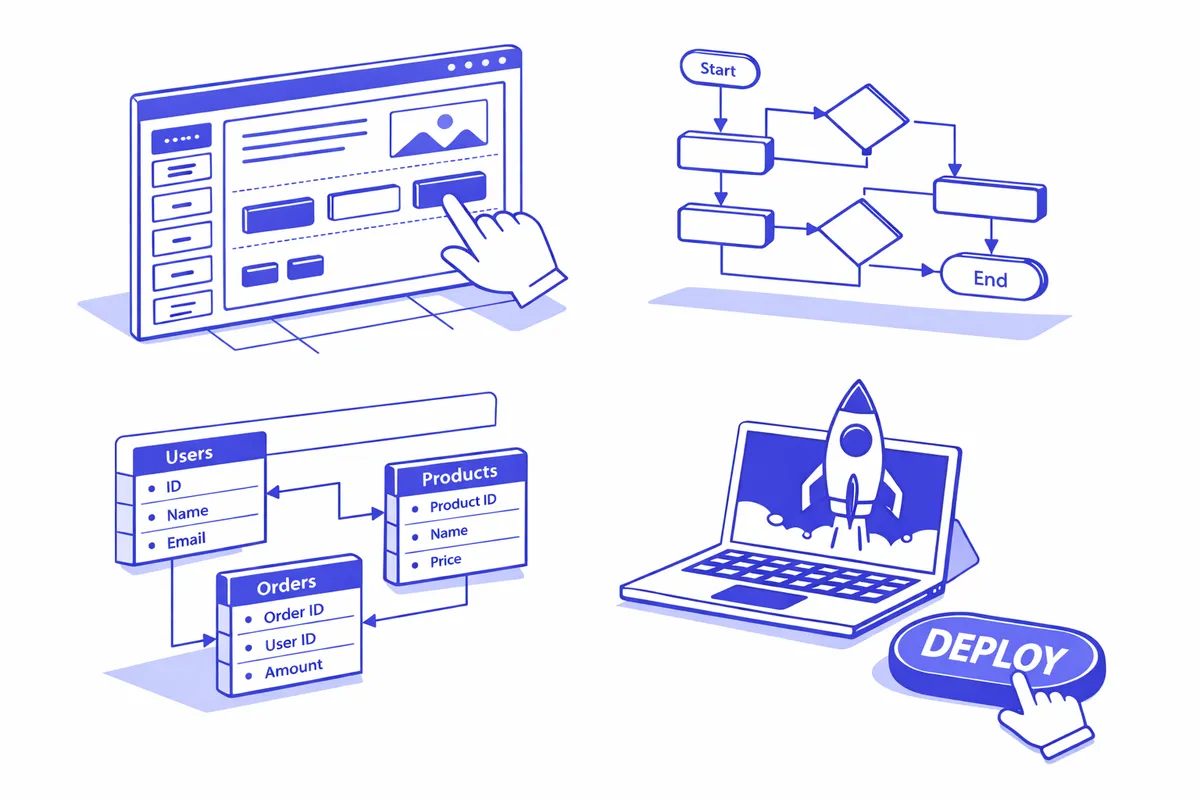
Every Englewood project begins with an extended discovery conversation focused on operational reality, not software requirements. We want to understand how your organization actually coordinates programs, what your staff's technical comfort level is, which workflows create the most daily friction, and what your reporting obligations look like for funders or oversight bodies. This conversation determines both the right platform and the right scope.
For community organizations in Englewood, we consistently find that Airtable is the right starting point for most program management needs. Its relational structure handles the linked records between participants, programs, case notes, and outcomes that most organizations manage across disconnected spreadsheets. Its interface builder creates views that different staff roles can use without seeing data they should not access. Automations handle reminder sequences, expiration alerts, and report triggers without requiring technical maintenance. We build the base, configure the views, set up the automations, and train your team to manage ongoing changes independently.
For Englewood organizations that need a public-facing digital presence, intake portal, or application form connected to an internal tracking database, Bubble allows us to build a complete web application that handles both the public interface and the internal operations. An organization running a workforce readiness program, for example, might need a public application form that feeds directly into a case management database with built-in eligibility checks, document upload, and staff assignment routing. Bubble handles all of that at a cost that custom development cannot match.
We document every project thoroughly, because the organizations doing the most important work in Englewood cannot afford to depend on outside developers for routine system maintenance. Maintainability is a design requirement, not an afterthought.
Industries We Serve in Englewood
Community nonprofits and social service organizations operating near Ogden Park, Hamilton Park, and Kennedy-King College use no-code for multi-program participant tracking, grant reporting databases, intake workflow management, and the internal coordination systems that hold programs together across different funding streams and compliance requirements.
Churches and faith-based organizations along Halsted Street and Racine Avenue run layered community programs, from food distribution and counseling referrals to after-school tutoring and workforce support. No-code tools let these organizations coordinate program rosters, track referrals between services, manage volunteer schedules, and produce the outcome documentation that sustains their community relationships and funder relationships simultaneously.
Urban agriculture and food businesses connected to initiatives like Growing Home use no-code for harvest tracking, wholesale order management, CSA membership administration, volunteer coordination for farm workdays, and the operational logistics that scale a food business without adding administrative staff proportionally.
Barbershops and salons on 63rd Street and Ashland Avenue use no-code for appointment management beyond what basic booking apps support, client retention tracking, staff scheduling across multiple chairs, and the inventory coordination that reduces service interruptions in high-volume shops.
Home healthcare providers serving Englewood's residential population use no-code for caregiver scheduling, patient intake and compliance documentation, visit tracking and billing support, and the coordination tools that make it possible to manage a distributed care workforce without expensive enterprise software.
Small food businesses and catering operations along the Englewood commercial corridors use no-code for catering inquiry management, production scheduling, delivery coordination, and the client communication workflows that distinguish professional operators from competitors relying on phone calls and paper orders.
What to Expect Working With Us
1. Discovery and operational mapping. We begin by mapping your actual operational workflows, not idealized versions of them. We want to see the spreadsheets you currently use, understand where data gets stuck or duplicated, and learn what your team actually needs rather than what a standard software requirements list would capture. This conversation shapes everything that follows.
2. Platform selection and architecture design. Based on what we learn, we recommend the platform that fits your budget, your team's technical comfort, and your operational requirements. We design the data architecture before building anything, because the most common reason no-code projects fail is that the data model was not thought through before configuration began.
3. Build, automation setup, and integration. We build to the approved architecture, configure all automations and integrations during the build phase rather than adding them afterward, and provide access to a preview environment throughout so your team can validate the system against real workflows before anything goes live.
4. Training and handover with documentation. We train your team thoroughly on managing and maintaining the system, covering the specific tasks your staff will actually need to perform. We document the data model, the automation logic, and the configuration decisions. Englewood organizations that rely on this software cannot afford to depend on outside vendors for routine updates. We build for independence.