How We Build Multi-Agent Systems for Englewood
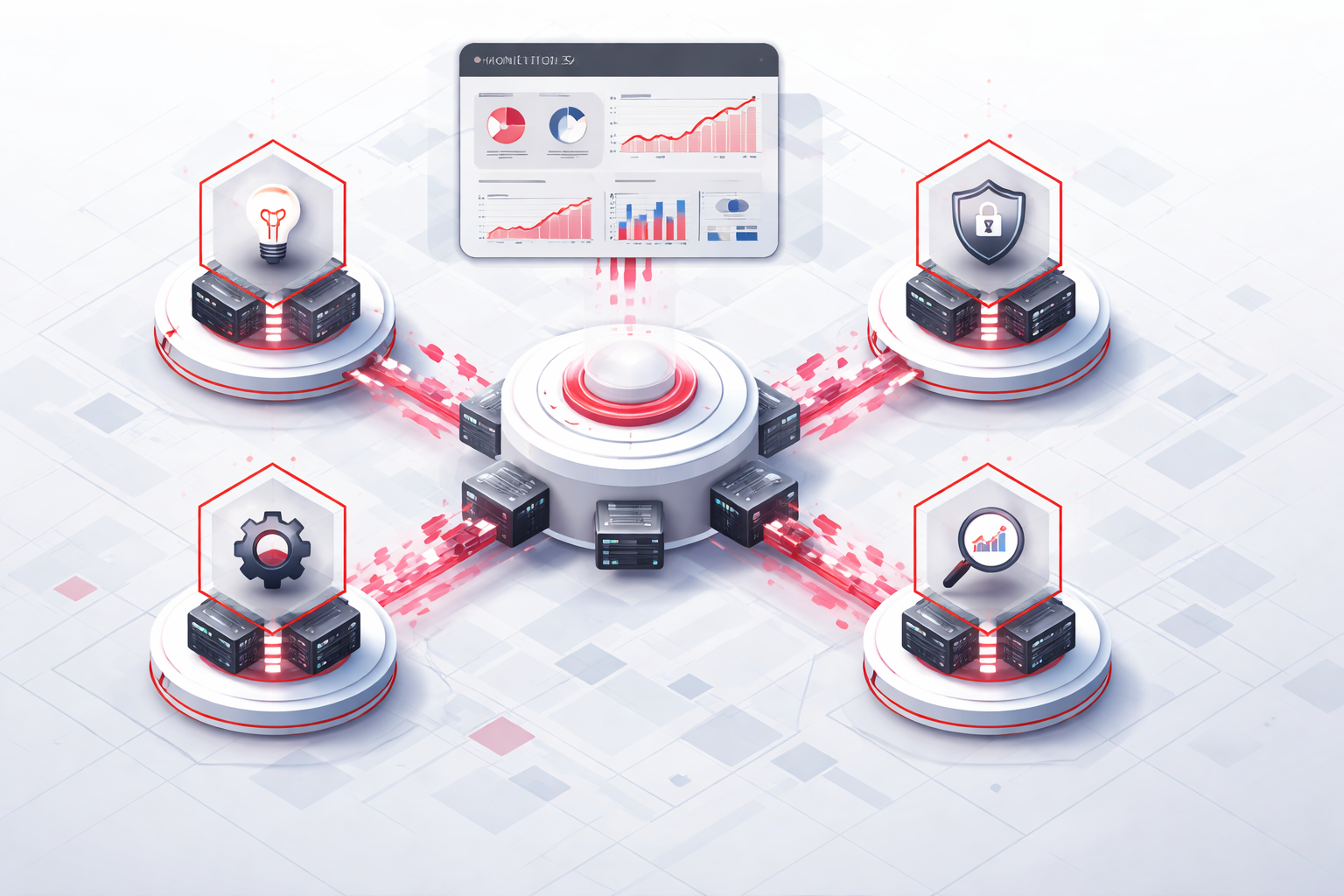
Englewood deployments begin with a resource-realistic scoping conversation. We do not design systems that require technical staff the organization does not have to maintain. Every multi-agent deployment is designed to be managed by the team that exists, with monitoring and maintenance handled by us rather than by an internal IT function.
We identify the highest-impact coordination gaps first. For a community organization near Hamilton Park running multiple programs simultaneously, the highest-impact gaps are typically the ones that cause the most participant attrition: missed follow-ups after an absence, delayed enrollment confirmations, and communication gaps that leave participants uncertain about their status in a program. We build agents that address those gaps before addressing secondary operational tasks.
Affordability is a design constraint for most Englewood organizations and small businesses. We design multi-agent systems that use the least expensive appropriate tools for each task rather than defaulting to premium platforms that exceed what the deployment actually requires. A barbershop on 63rd Street does not need enterprise scheduling infrastructure to benefit from appointment automation. It needs a well-configured agent using tools appropriate to the scale and budget of the business.
The community relationships that define Englewood business culture are a design input, not a variable to be optimized away. Agents are configured to reflect the voice and relationship character of each business. A barbershop's automated appointment reminder should sound like it came from the shop, not from a generic technology platform. A community organization's program follow-up should reflect the organization's specific language and relationship with participants.
We train the business owner or organization director to monitor agent outputs and identify when an agent is not handling a situation correctly. Multi-agent systems require ongoing oversight, and the people best positioned to provide that oversight are the ones who know the business and the community relationships it serves.
Industries We Serve in Englewood
Community nonprofits and social service organizations near Kennedy-King College, Ogden Park, and Hamilton Park use multi-agent systems to manage program participant communication, grant application tracking, volunteer coordination, and event scheduling. Organizations running multiple programs simultaneously benefit from agents that handle each program's communication cycle independently while sharing information when a participant is enrolled in multiple programs.
Urban farms and food businesses associated with the Growing Home model use multi-agent systems to coordinate production planning, wholesale distribution logistics, CSA and subscription fulfillment, and farmer's market communications. The parallel demands of growing, distributing, and selling food require more coordination than a small team can manage manually during peak production seasons.
Barbershops and beauty salons along 63rd Street and Halsted Street use multi-agent systems for appointment scheduling, client retention communications, product inventory management, and the follow-up sequences that bring lapsed clients back. A busy barbershop managing a full book of regular clients and walk-in traffic benefits from an agent that maintains the scheduling and communication infrastructure while the barbers focus on their craft.
Home healthcare providers coordinating care across Englewood and the broader South Side use multi-agent systems for caregiver-client scheduling, schedule change communication, family contact updates, and care documentation reminders. The coordination complexity of home healthcare multiplies quickly as a provider's client roster grows, and multi-agent systems maintain the communication quality that client families expect.
Churches and faith-based organizations anchoring the Englewood community use multi-agent systems for congregation communications, event planning coordination, volunteer management, and the follow-up communications that sustain community engagement between weekly services. Large congregations manage communication at a scale that benefits from automation without losing the pastoral character that defines community faith organizations.
Small food businesses and neighborhood restaurants along the Garfield Boulevard and Ashland Avenue corridors use multi-agent systems for order management, supplier coordination, catering inquiry responses, and customer loyalty communications. Small food businesses operating on thin margins need administrative efficiency that does not require additional staff, and multi-agent systems provide that efficiency.
What to Expect Working With Us
1. Impact-first scoping. We identify the coordination gaps causing the most operational harm and design the agent architecture to address those first. For Englewood organizations and businesses with limited resources, this means starting with the agents that deliver the most value immediately rather than building a comprehensive system before any benefit is realized.
2. Affordable, right-sized build. We configure agents using tools appropriate to the organization's scale and budget. No premium platforms where a free or low-cost tool serves the same purpose. No complexity for its own sake. The system should be maintainable by the team that exists.
3. Community-voice configuration. We configure agent outputs to reflect the voice and relationship character of each business or organization. Agents serving Englewood community organizations do not use corporate template language. They use the language the organization uses with the people it serves.
4. Training and self-sufficiency. We train the owner or director to monitor agent performance, identify problems, and handle the most common adjustment requests without needing our involvement. The goal is a system the organization can own and maintain.