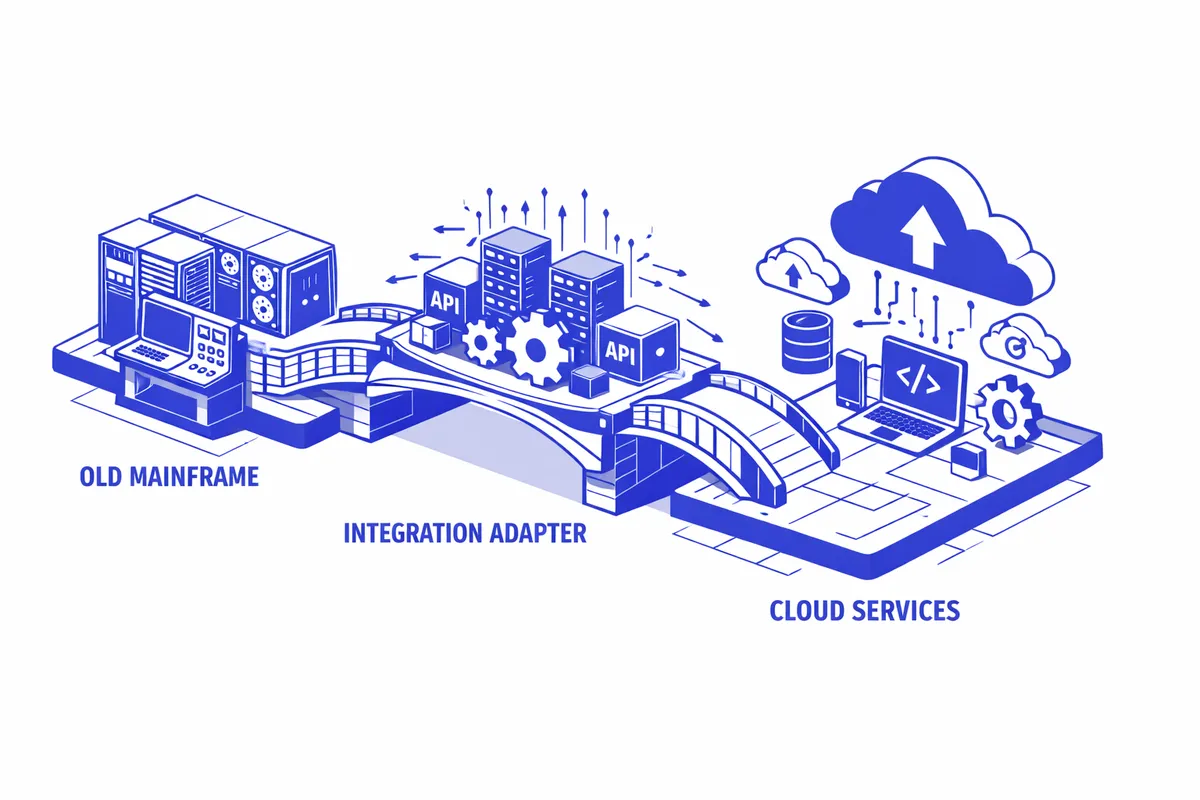
How We Modernize Legacy Systems for Englewood
We begin every Englewood engagement with an honest assessment of the organization's technical capacity and staff bandwidth. Community organizations in Englewood often have small technology budgets and limited IT support. We design migration projects around that reality: phased implementations that do not require a full staff shutdown, training designed for non-technical program staff, and systems that organizational administrators can maintain without ongoing external technical support.
The data extraction phase for Englewood organizations often involves more complexity than the systems themselves suggest. Access databases built by volunteers have data quality problems that reflect the entry practices of rotating staff. Spreadsheet-based tracking systems have inconsistent formats across years and programs. Legacy platforms from defunct vendors have export capabilities that require expertise to use. We handle all of that complexity in the migration rather than presenting the organization with a data quality project they have to complete before the real work begins.
For case management replacements, we build the new system's data structure around the specific reporting requirements that each funder imposes. The program coordinator enters case data once and the report generates from the same record rather than requiring a separate reporting translation step.
Grant tracking for Englewood organizations focuses on the foundation and government grant relationships that sustain programs year over year. Modern grant management tools that track deadlines, budget actuals, and reporting requirements in a single dashboard replace the calendar-and-spreadsheet systems that most small nonprofits use and that create the cliff-edge surprises when a deadline is discovered days rather than weeks in advance.
Industries We Serve in Englewood
Workforce Development Programs: Job training and workforce development organizations along 63rd Street and Garfield Boulevard manage participant records and outcome tracking in legacy systems that cannot produce the standardized reporting that government and foundation funders require. We migrate participant data and build reporting infrastructure around the specific metrics each funding relationship demands.
Community Health and Food Security Organizations: Health outreach organizations and food security programs including urban farming operations near Garfield Boulevard manage client records and program outcome data in systems that predate the social determinants frameworks that current funders use. We modernize those systems to support both program delivery and funder reporting.
Youth Programs and Recreational Organizations: Youth-serving organizations associated with Hamilton Park and Ogden Park manage enrollment, attendance, and outcome documentation in legacy systems. We migrate program records and build the reporting connections that institutional funders increasingly require for data submission.
Faith-Based Community Organizations: Churches and faith-based institutions on Halsted Street and Ashland Avenue manage congregation records, community program participants, and outreach history in legacy databases or paper records. We digitize and migrate those records to sustainable modern platforms.
Legal Services and Advocacy: Legal aid organizations serving Englewood residents manage case records and client intake in legacy case management systems. We migrate case records while maintaining attorney-client confidentiality and building the outcome reporting capabilities that legal aid funders require.
Housing Counseling and Stabilization Programs: Housing counseling organizations managing client intake, service delivery, and outcome tracking under HUD reporting requirements need legacy systems replaced with platforms that produce HUD-compliant outcome reports as standard output. We design replacements around HUD data submission requirements.
What to Expect Working With Us
1. Resource-Calibrated Project Design: We scope Englewood projects around the organization's actual staff capacity and budget. We do not design a migration that requires dedicated IT staff when the organization has a program coordinator handling all technology. We design a project the organization can actually complete.
2. Data Quality Assessment and Remediation: We assess the actual quality of the data in the legacy system before migration begins, document the specific quality issues, and include data remediation in the project scope. We do not pass the cleanup to the organization.
3. Reporting-First System Configuration: For nonprofits, we configure the new system around reporting requirements from day one. The first use case we validate is the funder report, not the data entry screen, because producing required reports is the operational test that determines whether the system is working.
4. Staff-Level Training for Non-Technical Teams: We train Englewood organization staff at the level of sophistication they actually have, not at the level of a technology-fluent user. Training is practical, scenario-based, and includes written documentation that does not require prior technical knowledge to follow.